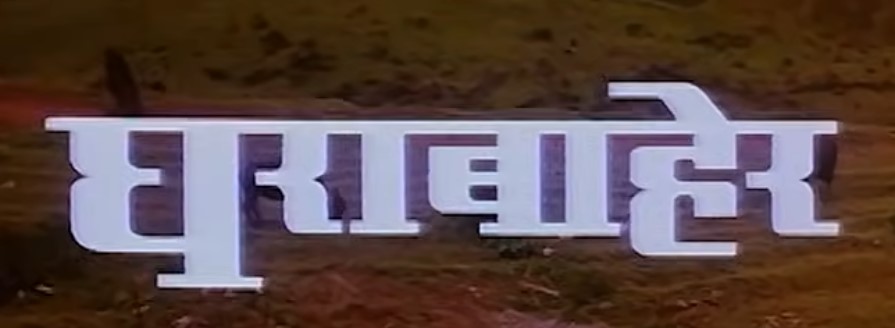
The women’s reservation bill has been an ongoing topic for many years in India, meant to improve the status of women by giving them representation in Government bodies. Gharabaher (literally out of the house) handles this subject through the story of an influential political family. It shows how the deeply rooted beliefs are difficult to overcome. This is not limited to gender inequality but other factors like social standing, caste that matter while holding public positions and being successful in politics. Produced by Ratan Madaan and directed by Sanjay Surkar, Gharabaher makes it’s point.
The Plot
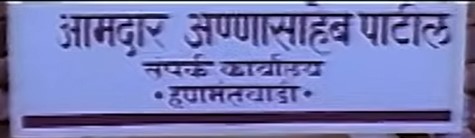
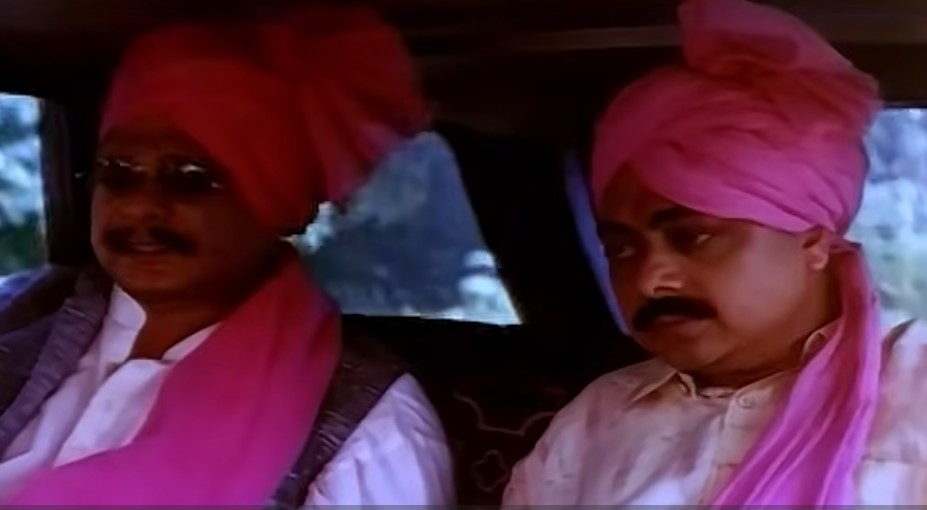
Annasaheb Patil (Mohan Joshi) is the head of a political family based in Hanamantwadi. With a political experience of 30 years, he has been the local MLA for many years. He has a strong hold on his constituency. A shrewd and experienced politician, he knows how to manage his supporters and opposition. He is looked at with respect. One of his close friends is businessman Hasmukh Patel (Madhav Abhyankar), who owns a factory in the village.
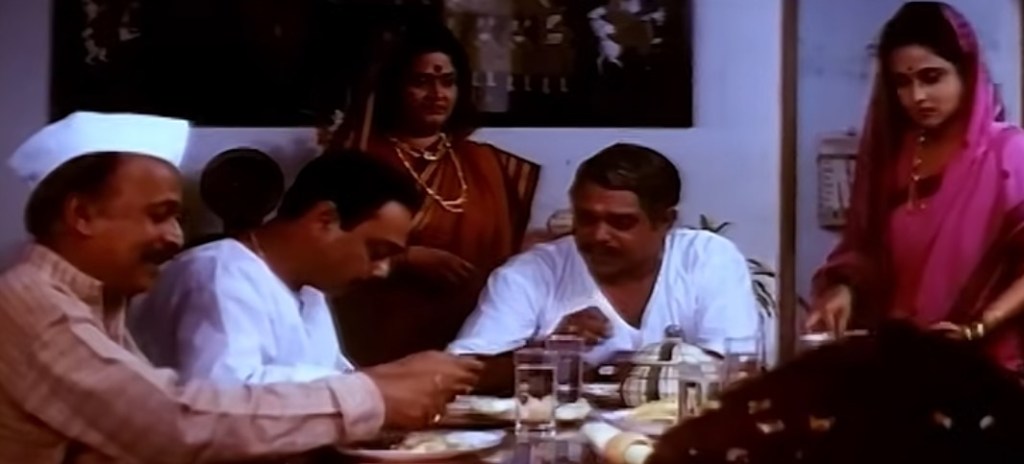
Through a breakfast table discussion (where he is joined by the village chief (Jayant Sawarkar) and a political worker (played by Prashant Damle), we come to know that the Government is planning to introduce reservation for women in the legislative assembly. The men discuss that this was already implemented in local rural and urban Government bodies. But that hasn’t made a difference. The place of a woman is in the house and should remain as is.
Annasaheb’s wife is played by Smita Talwalkar. She has no interest in politics and happy to manage the house and care for her family. Annasaheb has a son Balasaheb (Sachin Khedekar). His wife is Laxmi (Mrunal Kulkarni). Balasaheb runs an educational institute.
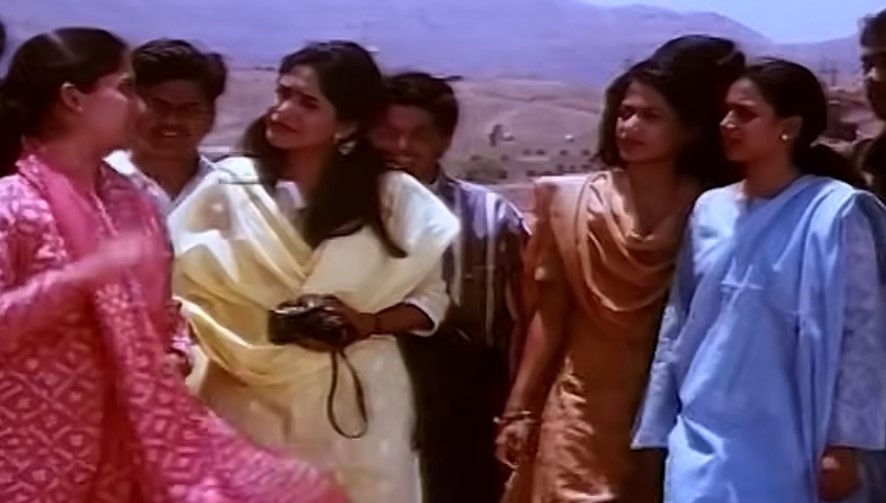
Annasaheb has a daughter Vasudha (Sonali Kulkarni). She is studying to be an architect in the city college, and appearing for her final exam. She is a practical and modern woman in spite of her rural family background. She is fond of photography. On a study tour she comes across a woman candidate busy in campaigning. Her husband has been the local councilor for many years. Due to introduction of reservation, the wife has been forced to contest the elections. But she is a mere rubber stamp as is evident from her responses to a press reporter. For every question asked, she points to her husband – why dont you ask him? much to the delight of the onlookers.
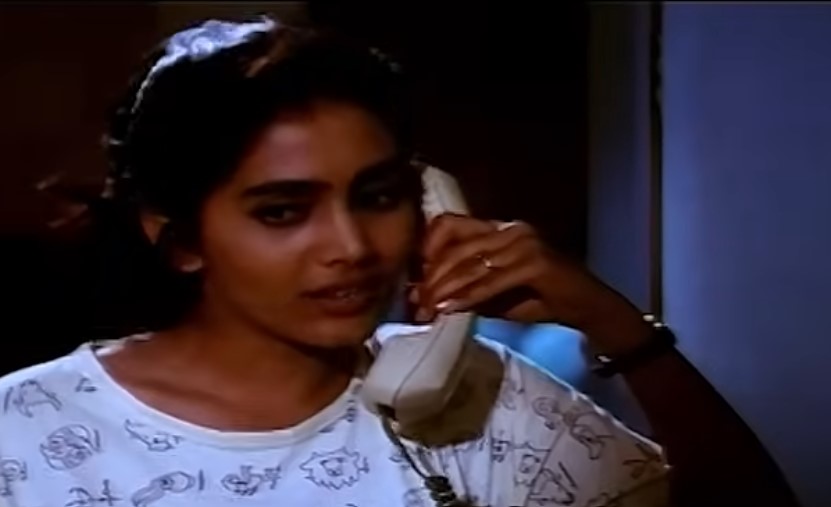
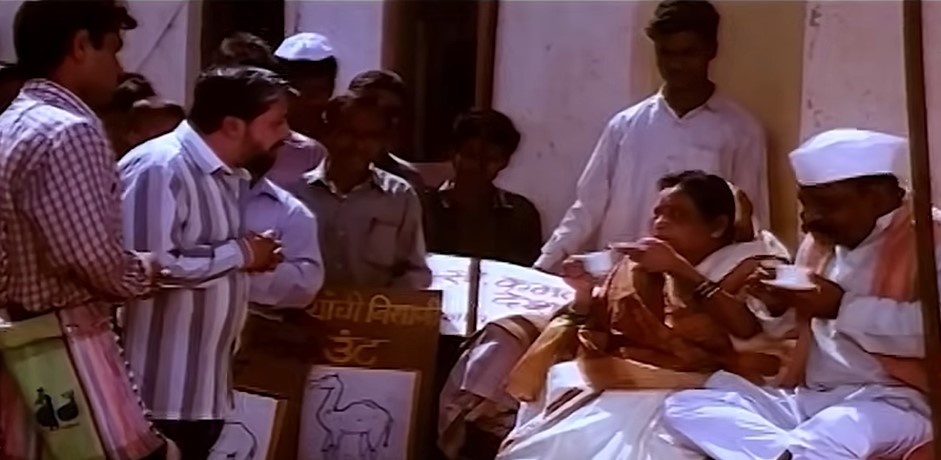
Vasudha and her friends laugh at this response. Her friends have a discussion about women in politics. The elected women don’t have a say, the real power remains with their husbands. They ask Vasudha if she is ready to plunge into politics. After all, she has a strong family background. But she makes it clear she has no interest in politics and will leave it to her father and brother to manage.
The men are not without their vices. Annasaheb is involved with Chandrakala (Reema Lagoo). Balasaheb is close to Rajni Jadhav (Kishori Ambiye). Both the women are aiming for plum posts in Government bodies. They hope that their relations with the influential politicians will help to achieve their ambitions. The politicians are in turn using them for their benefit. Such is the compulsion when politics are involved.
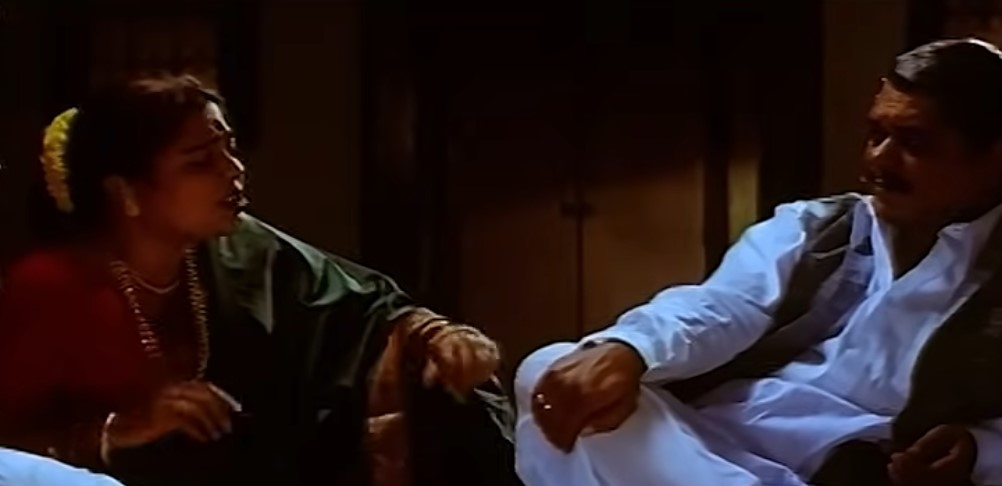
Balasaheb is following his father’s footsteps. He runs the educational institute but not without charging hefty donations. Corruption is perhaps a by product of politics! And he has an eye for women.
There had been an unpleasant situation when he was involved with a woman (apparently a college staff member). The woman had committed suicide and Annasaheb had a tough time getting the case closed. The matter was closed but Balasaheb has not learnt a lesson. He now has his eyes on Naina Gholap (Madhura Lele), a new professor. He promises her a post in the public relations department in return of her “services.” She runs away when he tries to take advantage of her.
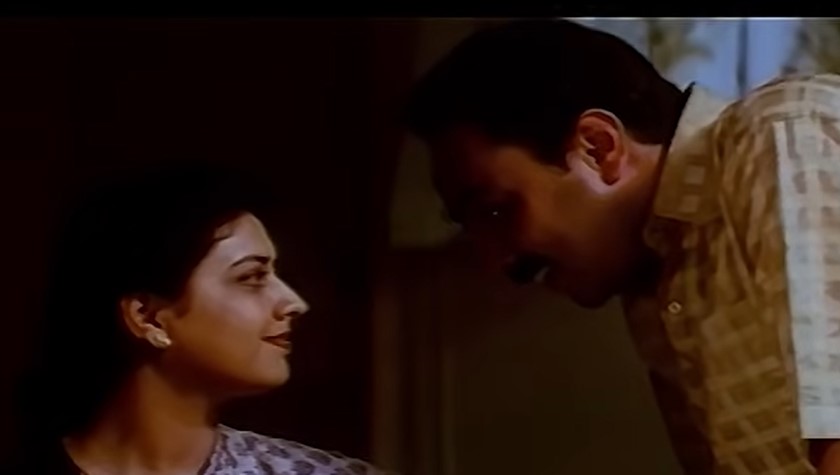
Back to Vasudha. Vasudha returns home after her exams. The whole house including the servants dote on her. She is glad to be back. Her mother mentions its time for her to get married which her father and brother agree upon. But she counters them stating the world has changed and women are not limited to managing the house and stay within its confines.
One of her classmate was Sameer Shinde (Kishor Kadam). He is the member of Gramvikas Yuvak Sangh, a youth organization and also a progressive farmer. His associate and love interest is Nanda Thorat (Aparna Kumar(?)). Sameer is working for the welfare of the villagers. He is fed up of people like Chandrakala who are involved in illegal activities and resist any effort made by his team for the betterment of the villagers. He raises his concern with Annasaheb, who pacifies him in a fatherly manner. Needless to say, Annasaheb is fully supportive of Chandrakala and doesn’t care for people like Sameer, who is the son of a farm labourer and of a lower caste.
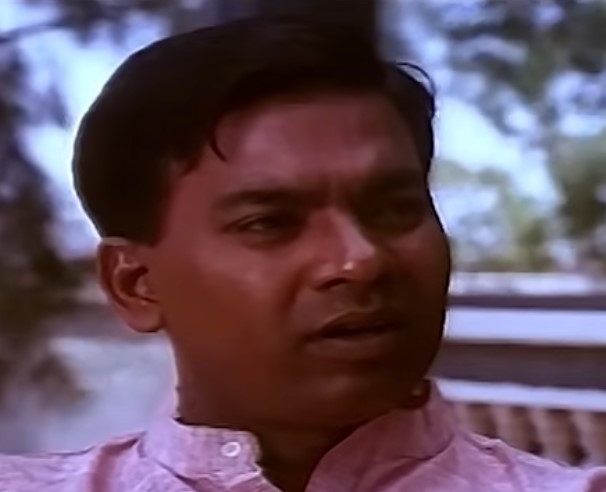
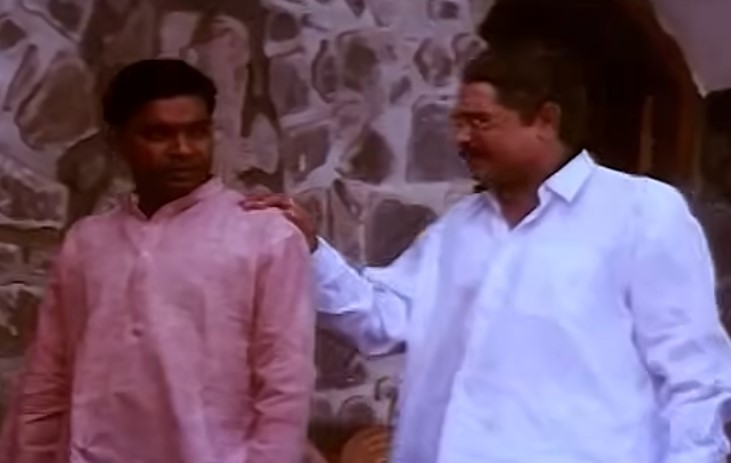
Sameer invites Vasudha for a hurda party arranged on his farm. There is a celebration song Punavechi raat sakhya. At the end of the song, Naina comes running to meet Sameer and tell him about her experience with Balasaheb. He directs her to Vasudha, who is shocked to hear about the matter.
She rushes home disturbed to talk to Balasaheb. It is quite late in the night but Balasaheb is yet to arrive home. He comes late and drunk. The next morning, she confronts him on Naina’s claim. He downplays the matter and tries to put the blame on Naina. But Vasudha doesn’t agree. She counters asking why a respectable woman would make such grave accusations?
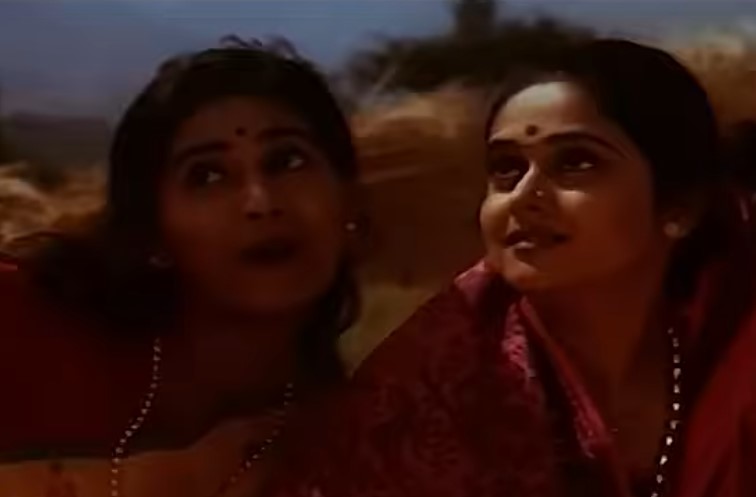
Later, Laxmi goes with Vasudha on a long drive and shares her thoughts. Apparently, Balasaheb comes home late everyday. She knows he is a womanizer. That’s how it has been since their marriage. She feels like a trapped bird and so on. Vasudha is disturbed to hear all this. There is another song at this point – Paus ranaat.
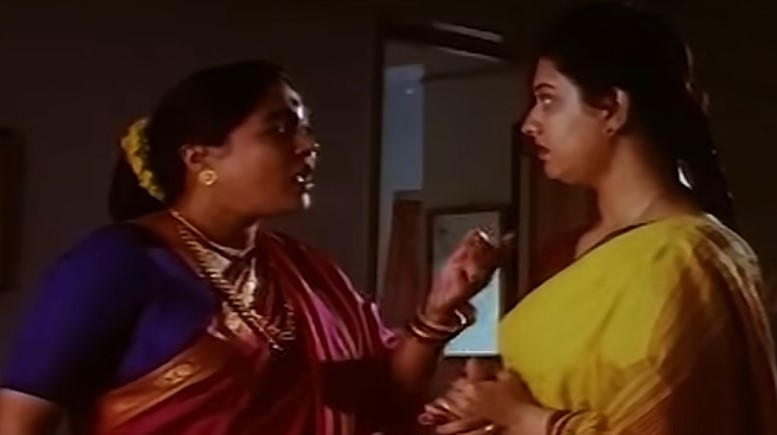
The Naina matter is taken by Sameer to Annasaheb for intervention. Chandrakala tries to threaten Naina in her style but things don’t work out as desired. Annasaheb is forced to comply as the elections are round the corner. A meeting is arranged between Naina, Sameer and Balasaheb. Balasaheb apologizes to Naina. Annasaheb advises that Naina should resign and leave the college. He is happy to help with another posting. Sameer agrees reluctantly.
Vasudha is further acquainted with the happenings in the rural area. She meets a woman Ramabai, village head of a neighboring village. Ramabai was elected on basis of a caste based reservation but the men and high caste functionaries do not allow her to function independently. She is helpless and appeals for help.

And the assembly elections are announced. Unfortunately, Annasaheb’s family seat is reserved for a woman candidate. Potential candidates like Chandrakala and Rajni are considered but he knows that he needs someone who will be acceptable to all, especially his detractors and party seniors. The choice is limited and after much deliberation, he identifies Vasudha as the perfect candidate to fill in his shoes. Most importantly, a family member will occupy the seat in the assembly.
Vasudha opposes the plan but there is emotional blackmail from Annasaheb, her mother and brother. Finally, her father tells her that this is her opportunity to do something good which makes her agreeable.

Her life is about to change. She is pulled into the election campaigning, all managed by her father, brother and the party’s supporters. The election campaigning and polling is depicted through a song Dhav ghe karunakara. Vasudha she gets elected by a record margin.
This is just the beginning. It doesn’t take long for Vasudha to realize that she is just a pawn in the political game. Her father continues to have his way. And all is not hunky dory as she had assumed. Vendetta, corruption etc are all part of the game. In a moving scene, she is reminded of that woman candidate who directed all questions to her husband. She seems to share her plight.
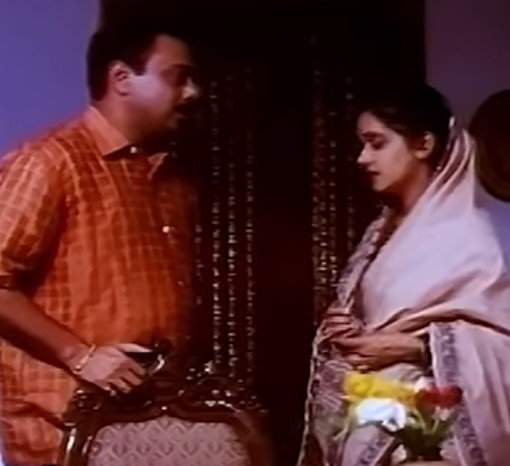
Events keep happening where she is forced to take a stand for herself and her constituency. The businessman Patel’s factory is responsible for contaminating the village’s water sources. Sameer keeps raising the matter and expose the wrongdoings of Annasaheb, Balasaheb and their associates. Seeing him as a threat, Balasaheb orders Chandrakala to finish him off.
Sameer is murdered and his wife seeks justice from Vasudha. Chandrakala is arrested who spills the beans to Vasudha, laying the truth in front of her. Does she have the guts to get her brother arrested and ensure justice?
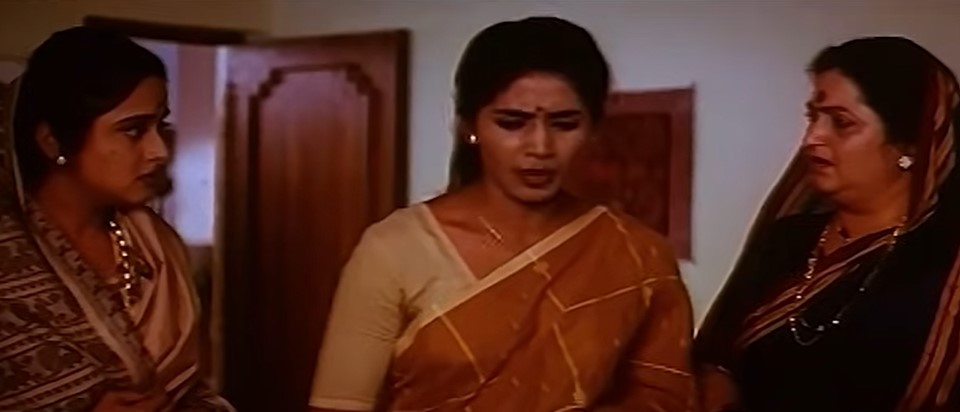
What option does Vasudha have? Will she go against her family? Or will she save the family’s prestige and play the same game?
The Music
There is no scope for the 3 songs which unnecessarily break the flow. Vijay Kuvalekar is the lyricist and Shridhar Phadke the composer. Suresh Wadkar sings Dhav ghe karunakara which is set against the backdrop of the election campaigning. It is a devotional song which doesn’t match the visuals. There is a hurda party song Punavechi raat (Asha Bhosle) and another song on the farm Paus ranaat (Asha Bhosle and Mahalaxmi Iyer).
My Thoughts
The film is a sincere attempt to highlight the subject of women’s reservation and their role in politics. We have a long way to achieve the expected objectives. Rich and influential families continue to control the political landscape in their areas. The film sticks to its core theme and doesn’t divert with sub plots including comedy and romance. It also speaks about the place of women in society. Being from an entitled household doesn’t guarantee that all is well. The film won 2 National awards for best feature film and best director. It also won multiple Maharashtra state awards.
The star cast is filled with seasoned actors making it a pleasure to watch. Sonali Kulkarni is the protagonist and performs convincingly. She plays the happy go lucky character looking for relaxation before she can think of future plans. But life has other plans, making her take a stand against her own family. Mohan Joshi, Smita Talwalkar, Mrunal Kulkarni, Kishor Kadam and Sachin Khedekar are good. Reema Lagoo portrays a different character than her usual motherly roles and she looks the part. Prashant Damle adds a touch of comedy but his role seems wasted.
 Cine Gaurav
Seems like a disturbing film which would make us ask questions. I like this kind of cinema but often it makes one feel helpless at the way this world works so have to be in the right frame of mind to watch such films.
LikeLike