My introduction to Ghar Ghar Ki Kahani (GGKK) is the evergreen Kishore Kumar song Samaa hai suhana suhana. Though a family drama it is not the regular story of hero meets heroine, romantic songs and the mandatory villain. But still is a decent watch. It was made under the banner of Vijaya International by B. Nagi Reddi and Chakrapani. The director is T Prakash Rao. As trivia, there was another film with the same name released in 1988, and was a remake of Gharana (1961).
The Plot
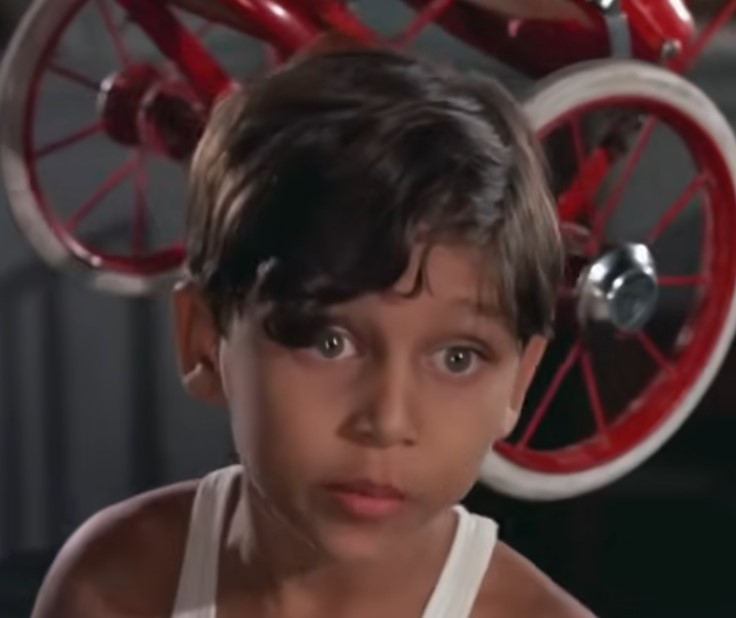
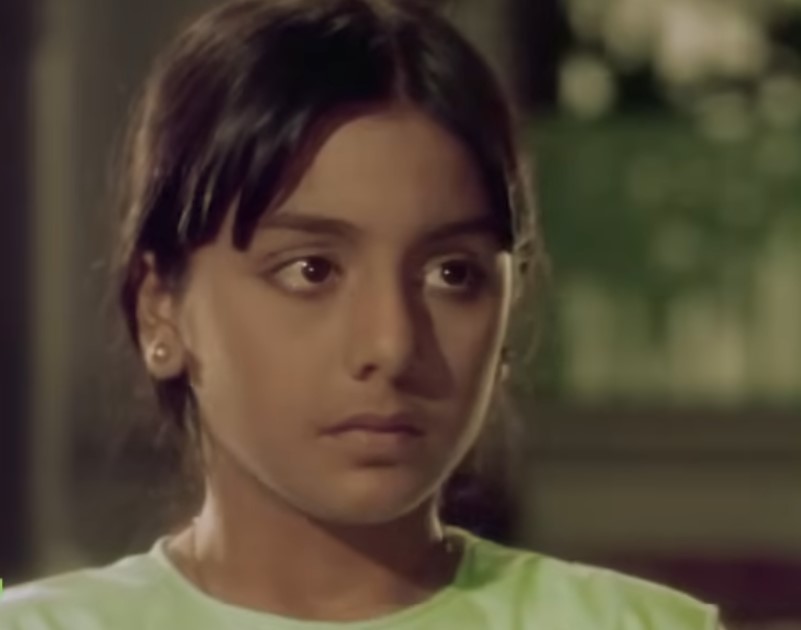
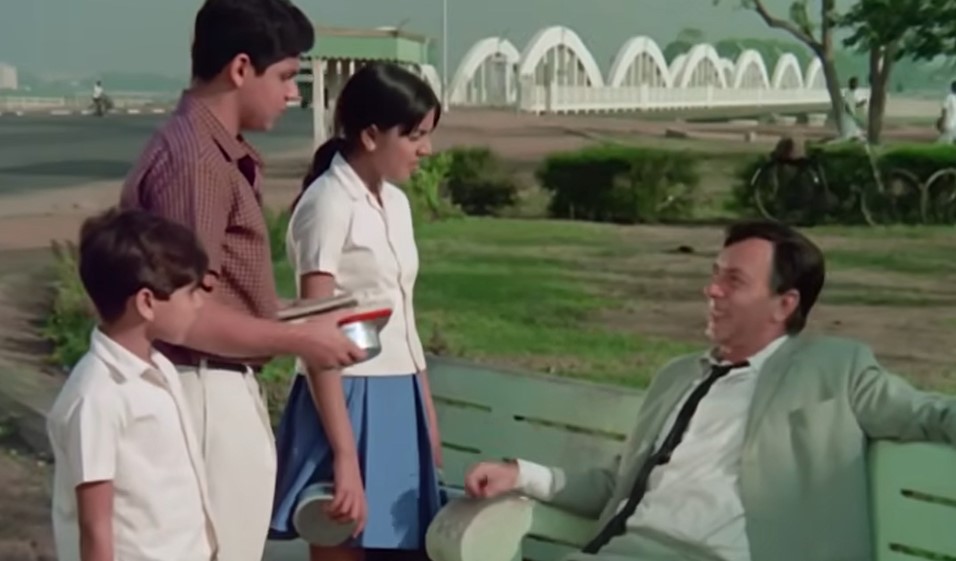
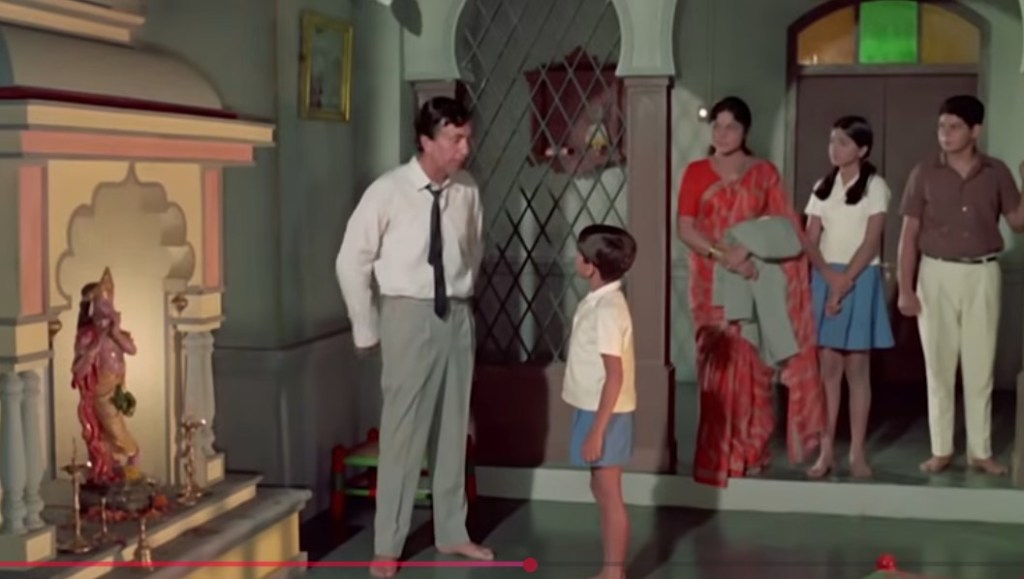
GGKK is the story of 3 families. Shankarnath (Balraj Sahni) and wife Padma (Nirupa Roy) are one happy couple, I mean family. They have 3 school going children – Ravi (Mahesh Kumar i.e. Mahesh Kothare), Raja (Master Ripple) and Rupa (Baby Sonia i.e. Neetu Singh). Shankarnath earns Rs. 630 per month. He seems to work in a Government office and is an honest and principled man who does not accept bribes. He is known for his clean character. Shankarnath is very careful in money matters. He is of the opinion that money needs to be spent thoughtfully.
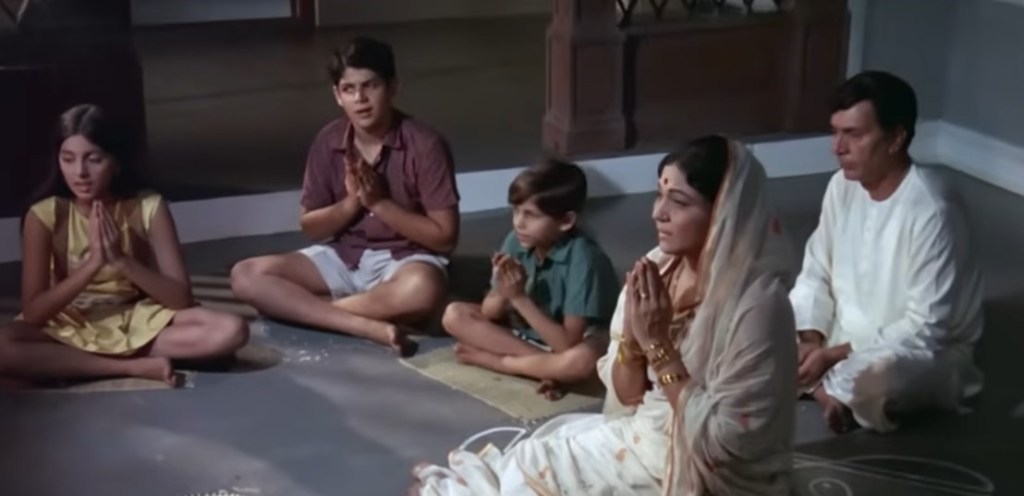
But his children dont think so. Ravi wants to go to Ajanta Ellora on a school trip but Shankarnath refuses to pay the money. Similarly, Rupa is participating in the school gathering and needs a new frock. Raja requests for a new bicycle. Shankarnath tells them outright that he does not have money for these (unwanted) expenses. He explains that they have to be very careful how money is spent and is unable to fulfil their demands.
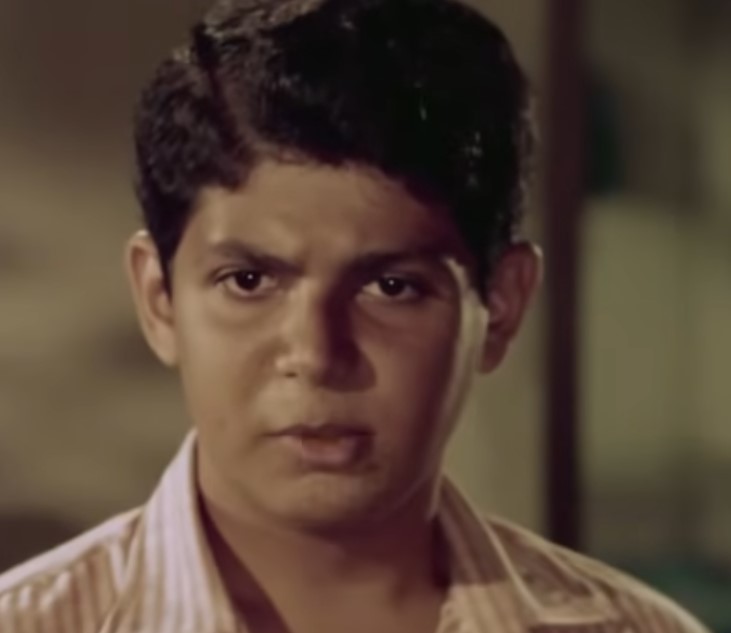
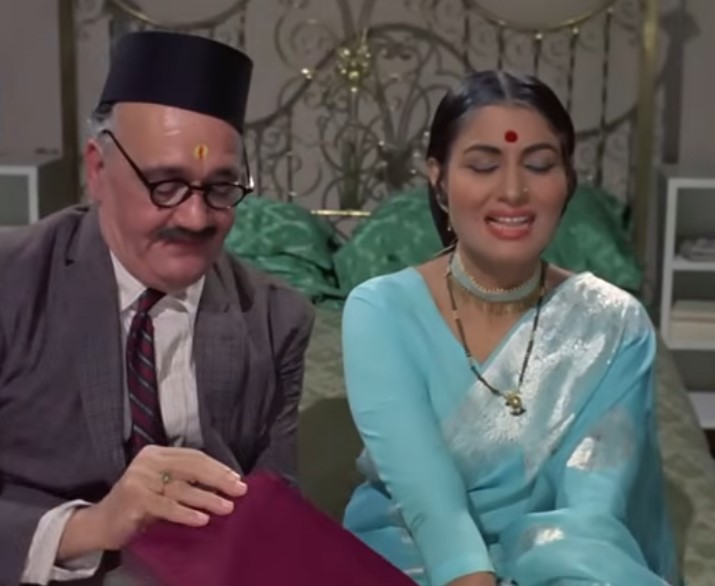
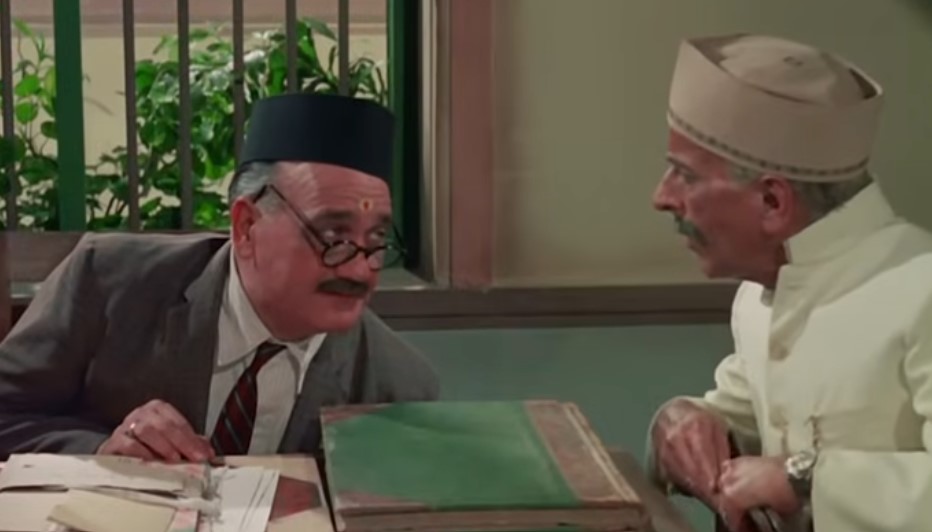
Ravi’s school mate is Murli. His father is Sadhuram (Om Prakash). Sadhuram’s boss is Shankarnath. His character is opposite to that of Shankarnath and is an extremely corrupt man. His wife is Jamna (Shashikala) and they have 5 children. Thanks to his “under the table” dealings, he is able to afford every luxury. He readily gives the money to Murli for the school trip which Ravi is also hoping to join. Ravi ponders how Sadhuram is so well off when his boss is barely able to make ends meet. Month on month it’s the same story.
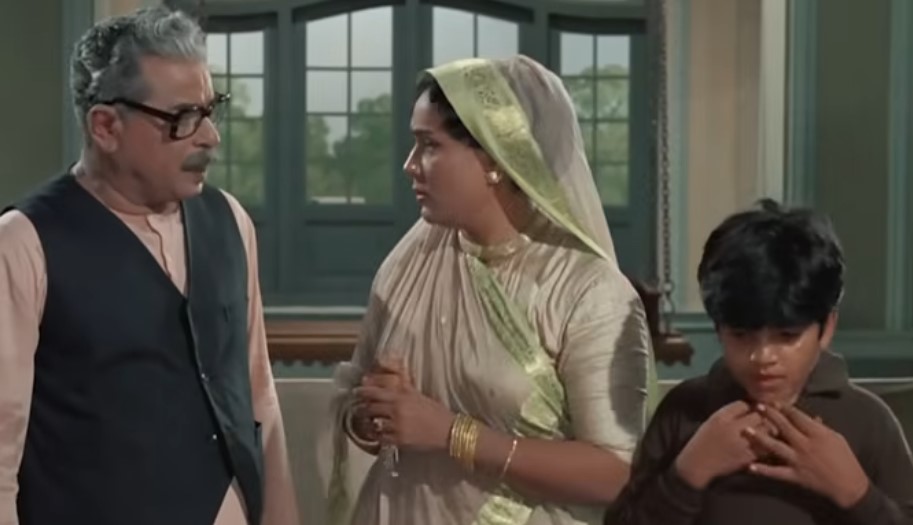
The third family is that of Padma’s brother Mamaji (Jagirdar). His wife is Praveen Paul, who comes from a rich family. They have a pampered son Gopi (Jr Mehmood). A spoilt kid, he gambles on a daily basis. His mother, being the money controller of the house, supplies him with money. He cons her readily with his sob stories and extracts as much money as he wants from her. His father is a shrewd and observant man, waiting for the right opportunity to expose him.
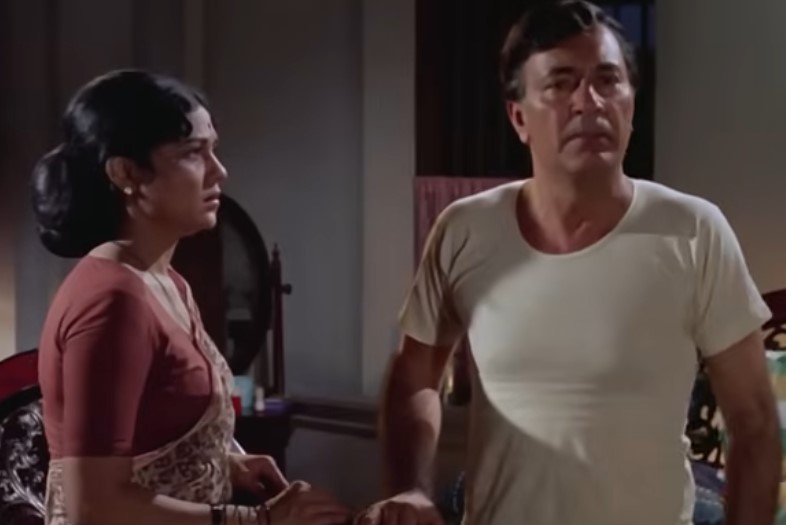
Back to Shankarnath and family. The children have had enough. They want their demands to be met. Ravi sits on a hunger strike (satyagraha). The parents try to intervene but no one is ready to budge. Finally, Shankarnath comes up with a solution. He has a man to man talk with Ravi. He tells him that he will hand over his full salary to him and it is up to him to make the budget of the house and manage the finances. This arrangement will continue for 6 months. Ravi is reluctant to agree to this plan but his siblings push him and he accept the challenge.
Thus begins the interesting challenge. Ravi tries to balance the income and expenditure every month. The focus is on bringing down the spending which he finds is difficult to achieve. Some hard decisions are imminent. The children ask the maid to leave and do the chores themselves. They start walking to school. During Diwali, they ask Padma not to purchase new clothes for them. Looking at their efforts, Shankarnath is also ready to make some sacrifices. All this for saving money.
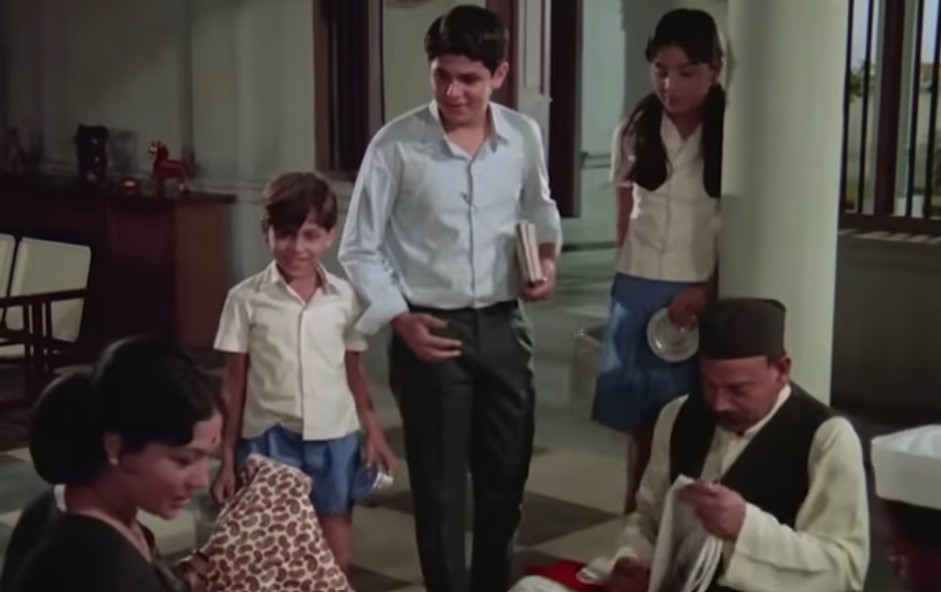
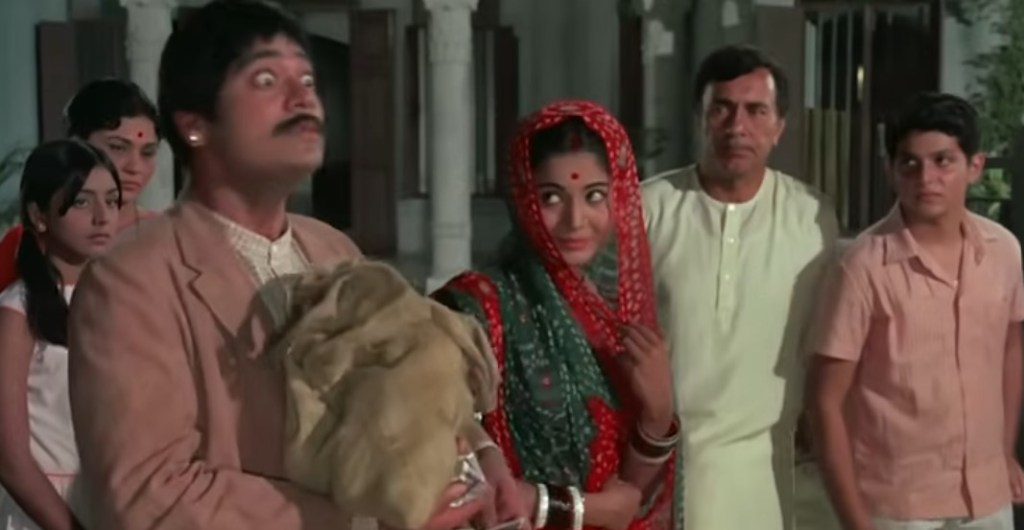
But there are hurdles along the way. Shankarnath’s nephew Surendra (Jagdeep) arrives with his family to spend Diwali with Shankarnath’s family. He is a miser and Ravi has to bear all their expenses including the taxi fare. After Diwali, Padma falls sick leading to unplanned medical expenses.
On the other hand, Sadhuram is enjoying the fruits of his shady dealings and continues to live in luxury. Gopi is up to no good and indulges in everything else apart from studies.
And there is also a young couple. Sadhuram’s daughter Seema (Bharati) is in love with Suresh (Rakesh Roshan). The song Samaa hai suhana suhana is picturised on this couple while Jalal Agha does the singing.
The entertaining but predictable events continue. All these threads unite as the climax approaches. Things are sorted and the film ends on a positive note.

The Music
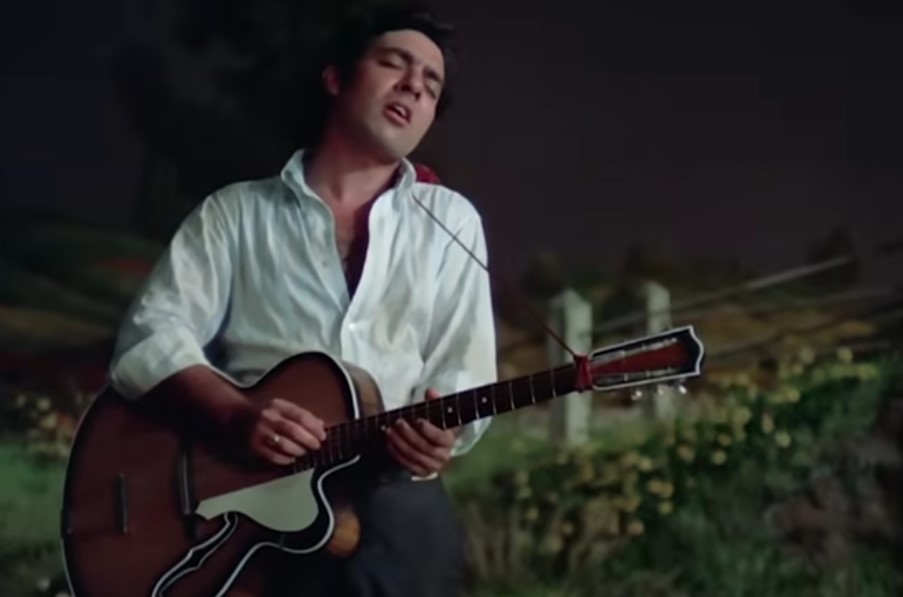
Kalyanji Anandji is the music composer with lyrics by Hasrat Jaipuri and Qamar Jalalbadi. The other songs are not bad but could not attain the popularity of Samaa hai suhana suhana.
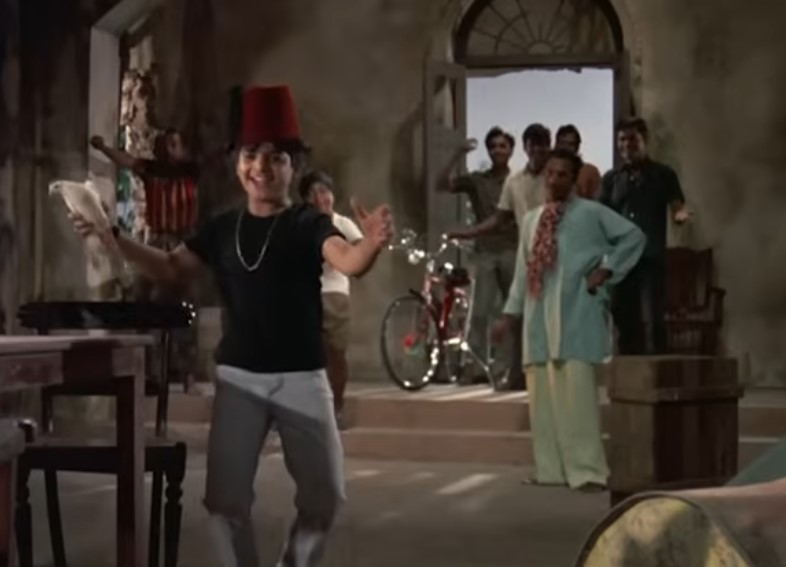
The songs are voiced Lata Mangeshkar, Hemlata, Mahendra Kapoor and Kishore Kumar. This includes the number Aisa banoonga actor main yaaron picturized on Jr. Mehmood.
My Thoughts
I came to know that the film’s producer B Nagi Reddi was also the founder of the children’s magazine Chandamama, published in multiple Indian languages. He later started producing films. The setting of GGKK reminds you of the type of stories published in Chandamama – simple, engrossing and with a social message.
The main plot in GGKK focuses on the three children and their efforts to manage money. They are ready to sacrifice for long term gains. The common factor among all the families depicted is money, and its impact on the behaviour of the family members. The casting is good and all seasoned actors perform as required. The thoughtful dialogues between Shankarnath and family are believable. Junior Mehmood is convincing as the bratty son from a rich family. He is irritating and over the top as the role demands. This was Rakesh Roshan’s debut film. He and Bharathi hardly have anything to do in the movie. Not sure if their track was edited.
Overall, you know what is going to happen and there is hardly any twist. Nevertheless it makes for an entertaining watch.
 Cine Gaurav
Very well reviewed.
Did not know that Neetu Singh and Mahesh Kothare shared a screen as chid artists.
I like Balraj Sahani .
And yes, I read Chandoba ( Chandamama ) as a child.
LikeLike