Films based on science fiction have been popular in English cinema. Special effects are an important feature of such movies. If done properly, they impress the audience and leave an impact. Fantastic Voyage (FV) is one such film. It is a fantasy plot where a group of people undertake a dangerous mission and travel inside the human body. They have one hour to complete the mission or the consequence will be disastrous. The plot majorly focuses on the challenges and experiences faced in their mission. Not to forget the visual extravaganza they have for company in the complex uncharted territory.
The film is based on a story by Otto Klement and Jerome Bixby. It was adapted as a novel by Isaac Asimov (interestingly, the book got published prior to the films release due to delays in the film’s completion). Richard Fleischer directed the movie. The film received 5 Oscar (Academy Award) nominations and won 2 awards for Best Visual Effects and Best Art Direction in Color.
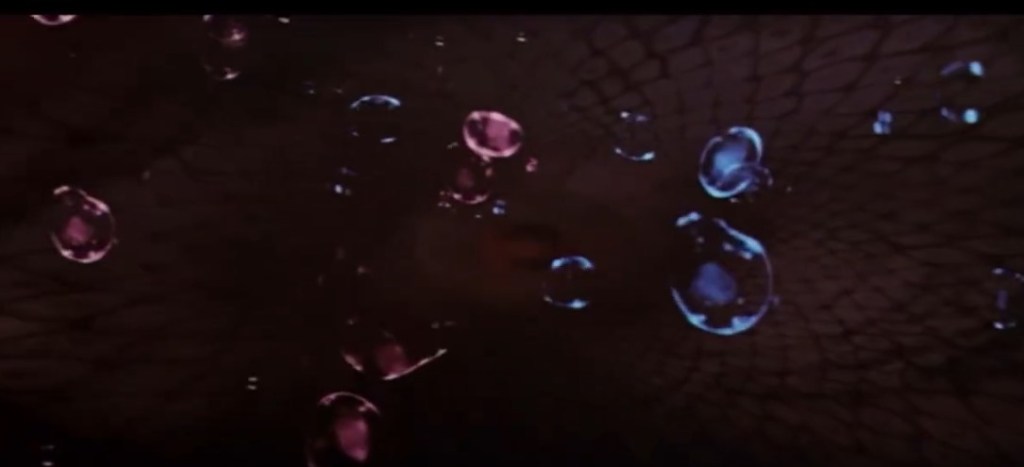

The Plot
The film begins with the landing of a plane in the United States. Grant (Stephen Boyd) has arrived with a scientist named Jan Benes (Jean Del Val) who has defected to the USA. The scientist’s specialization is miniaturization (the process of shrinking people or objects). Currently, scientists in the USA are able to achieve miniaturization for only an hour. Apparently, Benes is able to do it indefinitely. This path breaking discovery will enable the USA to have an edge over its enemy (the country name is not revealed but it is obvious!).
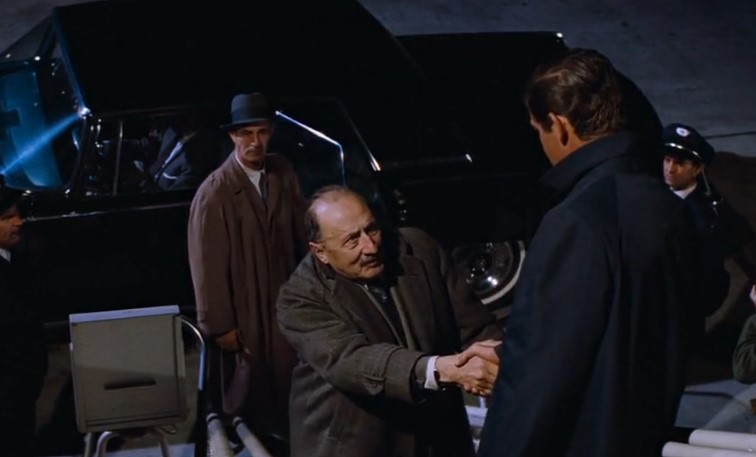
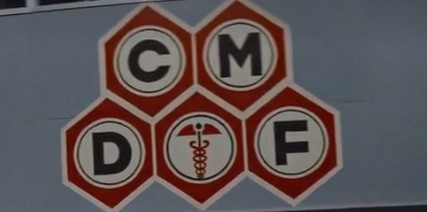
Benes leaves the airport with full security. But the convoy is attacked with the intention of killing him. He is quickly rescued but he develops a blood clot in his brain and goes into a coma. He is currently lying in a medical facility at the Combined Miniature Deterrent Forces (CMDF) waiting to be operated upon to remove the clot. Unfortunately, the clot cannot be removed through a normal surgical procedure.
In a planned fantastic procedure, a team of specialists will travel “inside” the human body and operate on the clot.
Grant is a secret agent and asked to join this surgical mission. Apparently, it is suspected that someone from the mission will aim to kill Benes. Grant’s job is to ensure this doesn’t happen and Benes is saved.
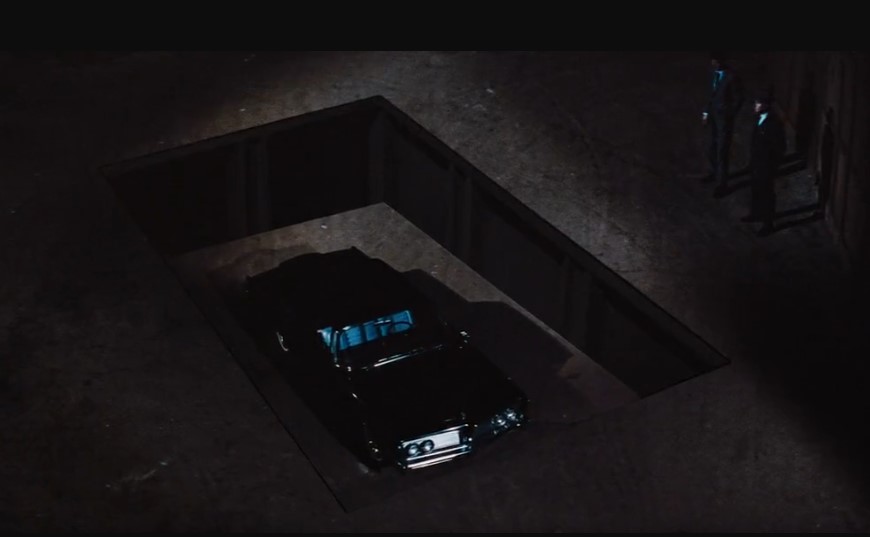
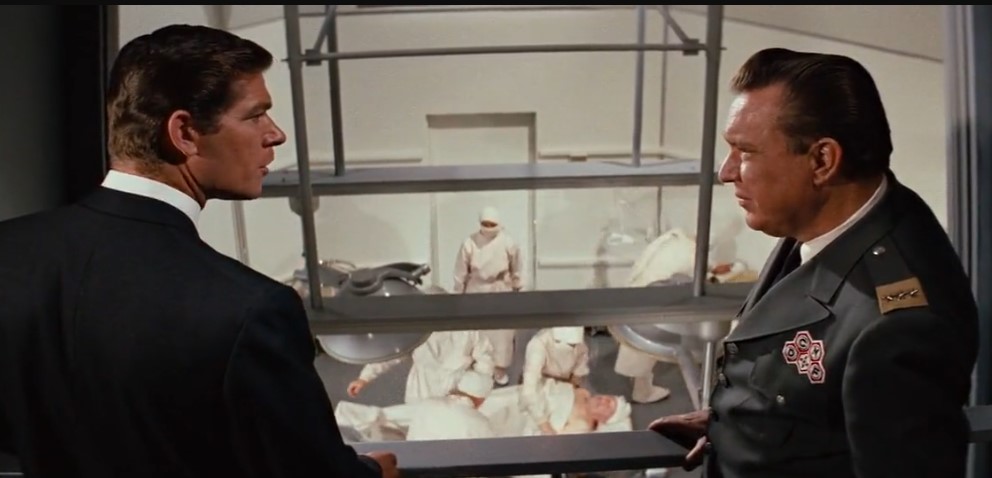
So, Grant is brought to CMDF whose location seems to be a heavily guarded secret. He is met by General Carter (Edmond O’Brien) who is overseeing the mission with Colonel Reid (Arthur O’Connell). Carter explains the role of CMDF etc to Grant and shares details of the mission.
Carter explains the plan to shrink a submarine with 5 people on board. The submarine will be injected into Benes’s body. It will travel to the location of the blood clot, allowing the surgeons to perform the operation (by shooting the clot with a laser). All this is too fantastic for Grant to digest. He does not how to react but there is no time to lose.
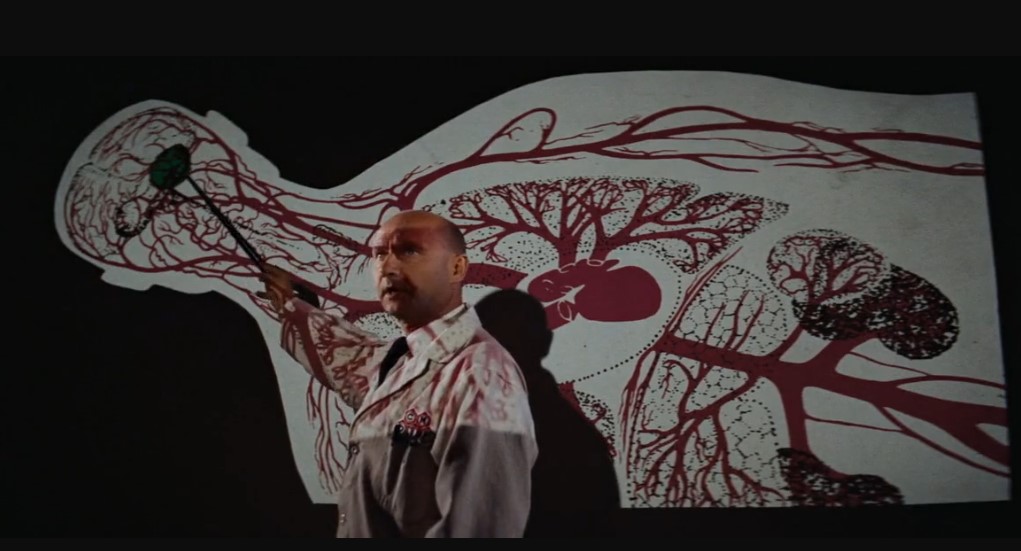
There is a quick briefing session and we are introduced to the other members of the team. Captain Bill Owens (Willliam Redfield), a Navy officer will be responsible for operating the submarine. Dr. Michaels (Donald Pleasence) is the head of the medical team and circulatory specialist who will pinpoint the submarine’s exact location. And finally surgeon Dr. Peter Duval (Arthur Kennedy), and his assistant Cora Peterson (Raquel Welch) who would perform the actual operation with the laser.
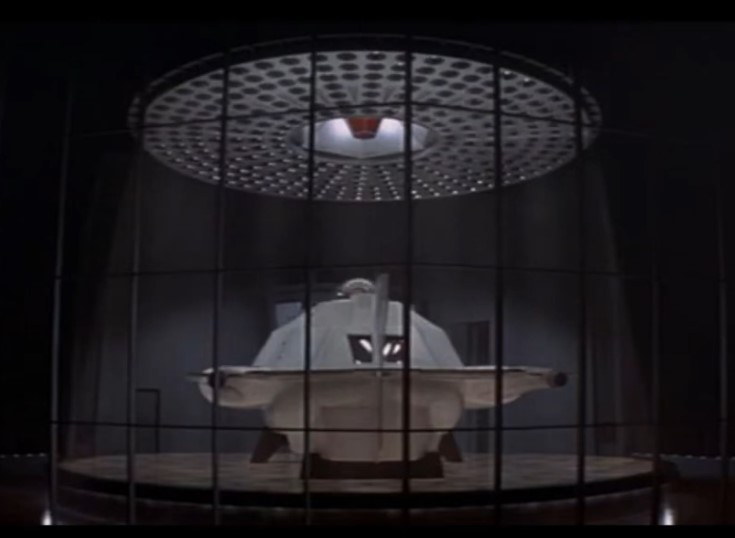
So, the team is all set. They enter the submarine called Proteus and are miniaturized. They are able to communicate with the control room through wireless messages. Proteus is powered by a microscopic nuclear particle, enabling its location in the bloodstream to be tracked from outside by using a radioactive tracer.
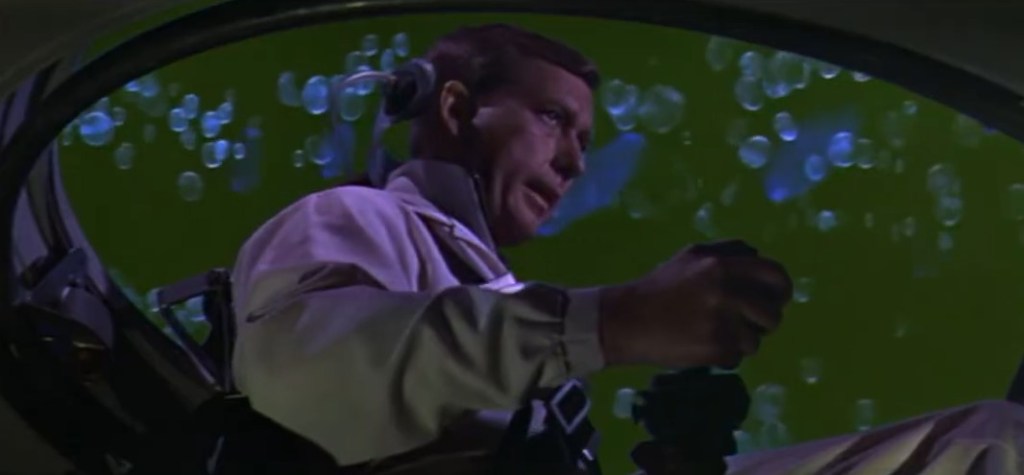
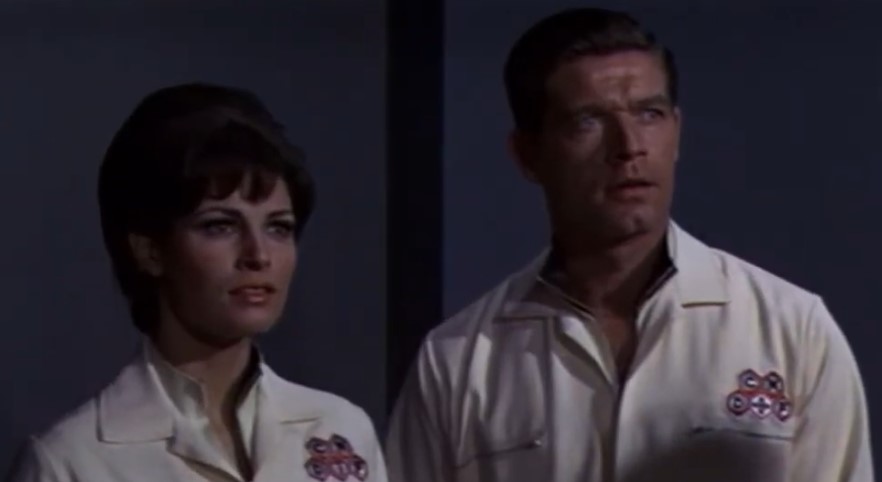
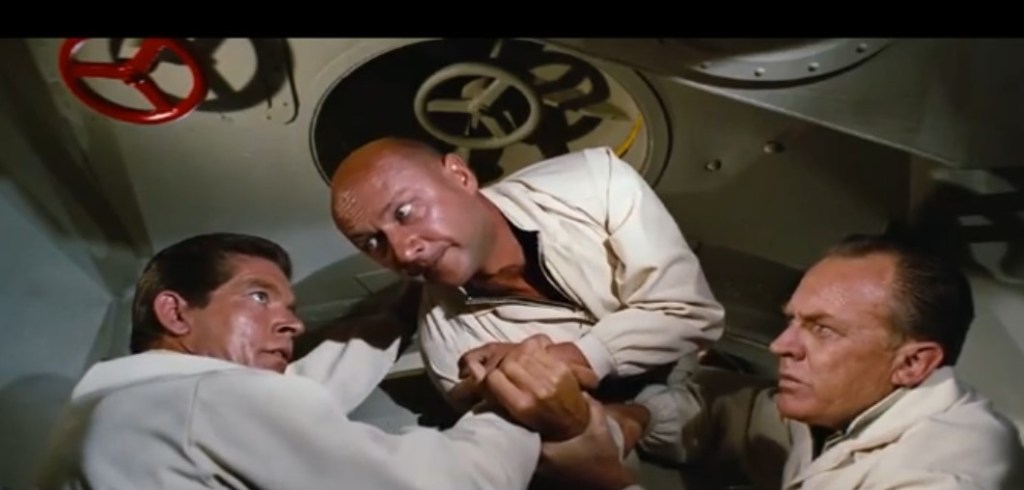
But it is not smooth sailing all the way. At the very beginning, Dr Michaels feels claustrophobic and tries to leave the Proteus. He has to be caught and calmed down.
More problems are on the way. The team has to pass through the heart which is not a part of the original plan. For this, the heart has to be stopped by inducing cardiac arrest. Otherwise the sheer vibrations from the beating action of the heart will impact and possibly destroy Proteus.
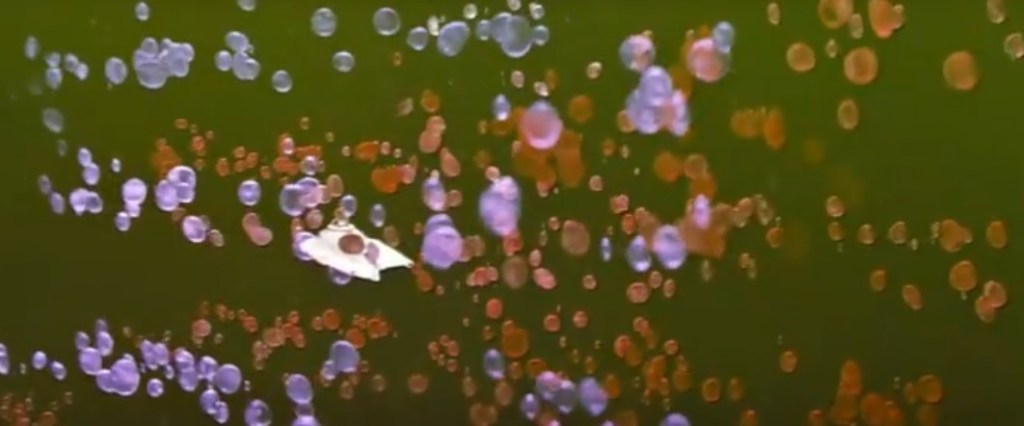
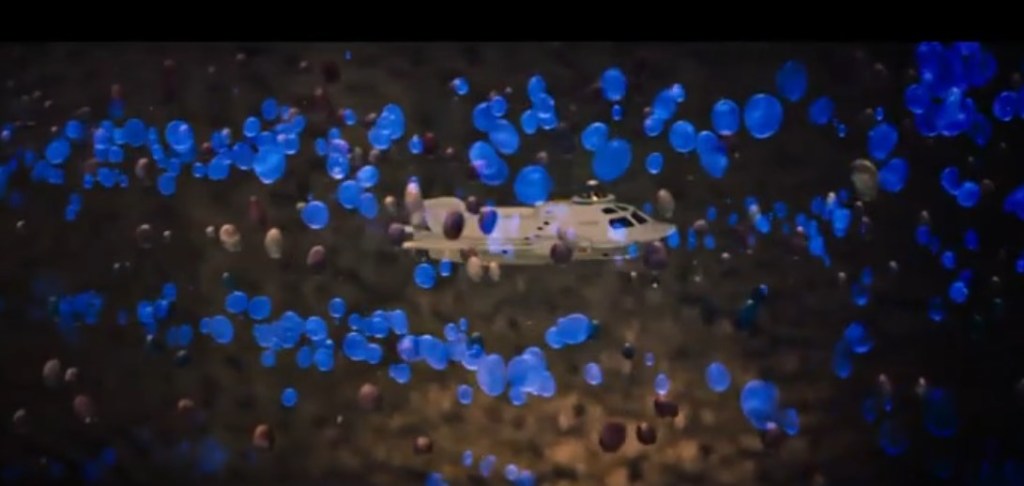
They also face a sudden loss of oxygen. Grant volunteers to arrange the oxygen by pumping into the lungs! An innovative idea given the ready supply of oxygen available. He almost gets blown away but is rescued by the others.
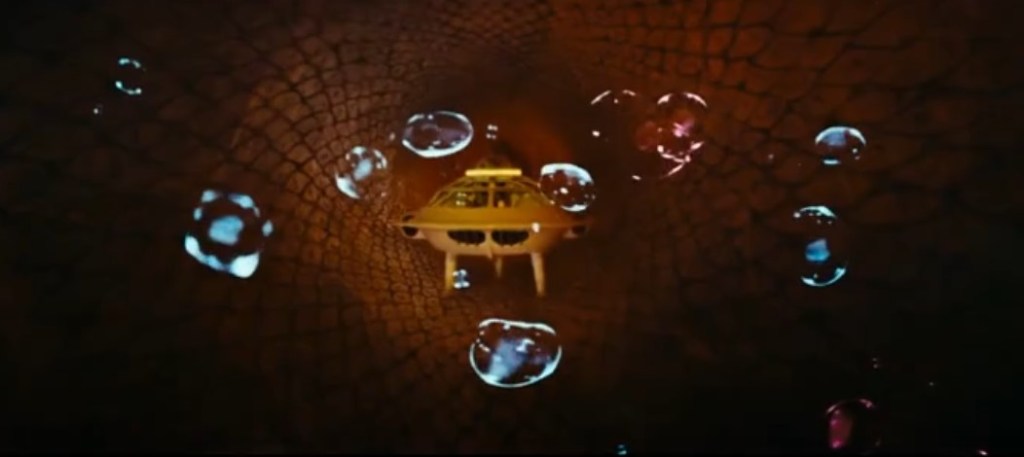
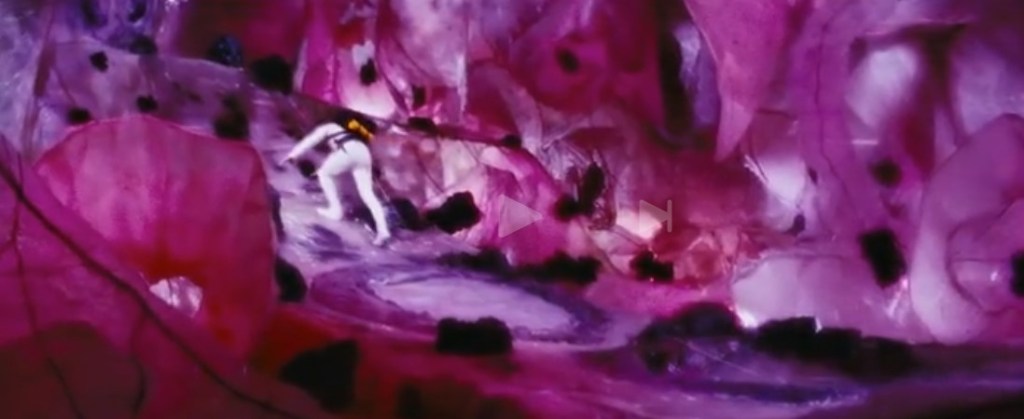
Then the laser is found to be damaged and Dr Duval and Cora have to think of repairing the laser with the available resources. Grant realizes there is a sabouteur on board who will ensure the mission fails at all costs.
And the clock is ticking! They have only an hour to complete the mission. If not, the submarine will expand, killing Benes one way or the other. They are also up against the body’s natural defense mechanism which releases anti bodies if it detects an intruder. They have to navigate wisely without attracting attention.
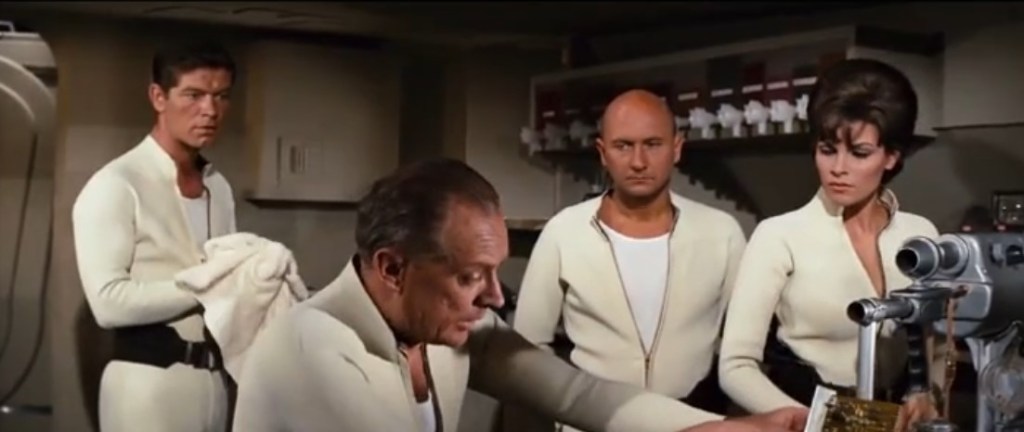
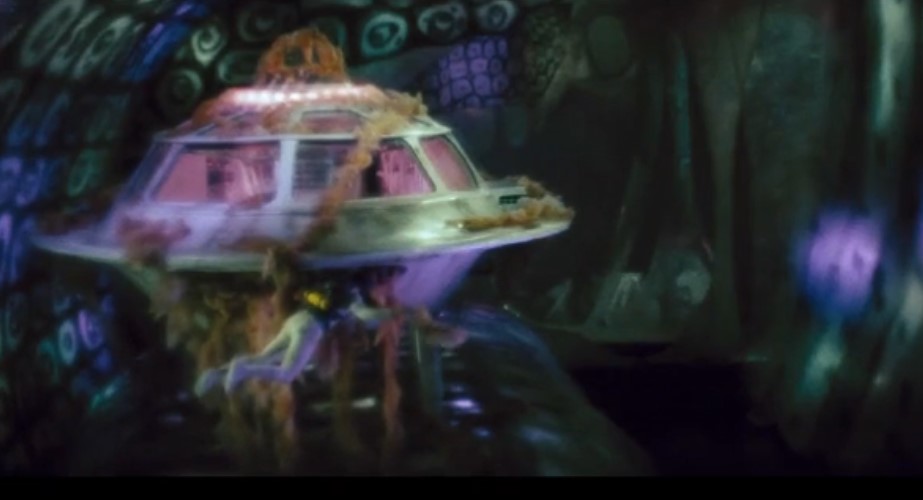
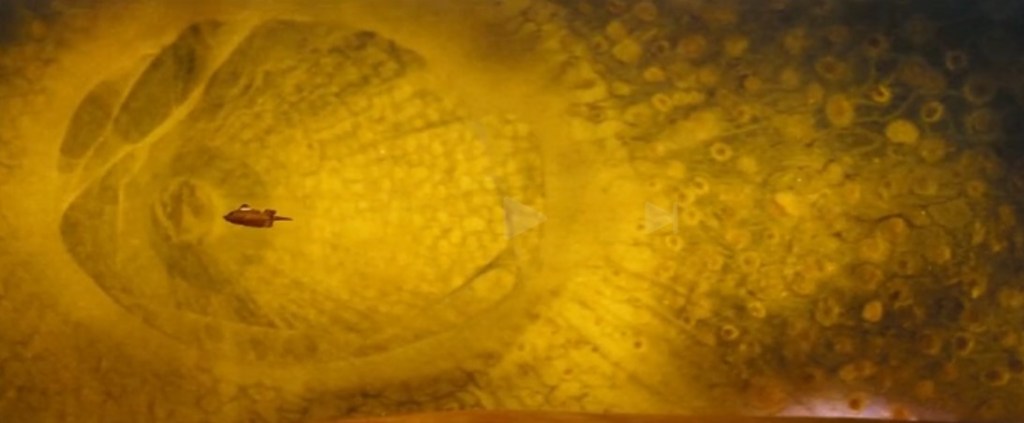
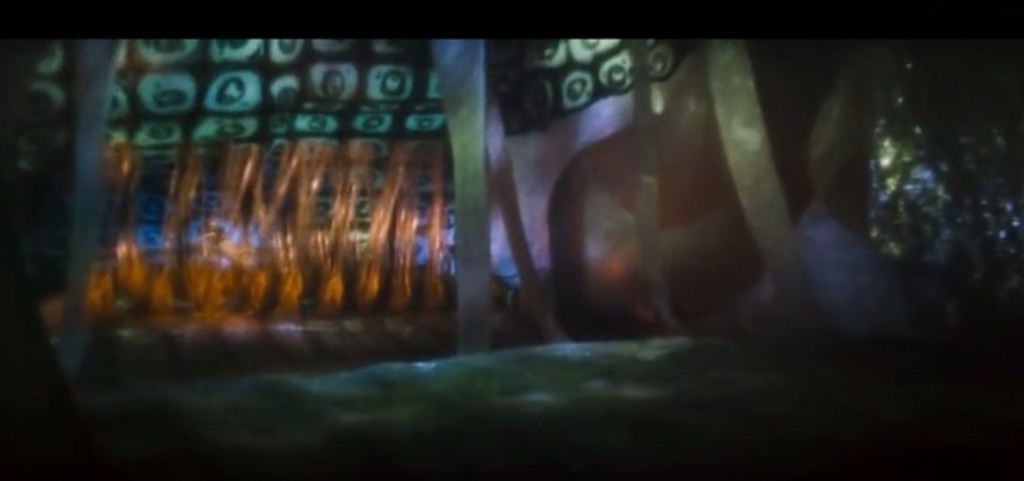
The suspense is maintained till the end as the team deals with one obstacle after the other. In the midst of all this, they are treated to the inside view of the human body that no one else has encountered before.
The Music
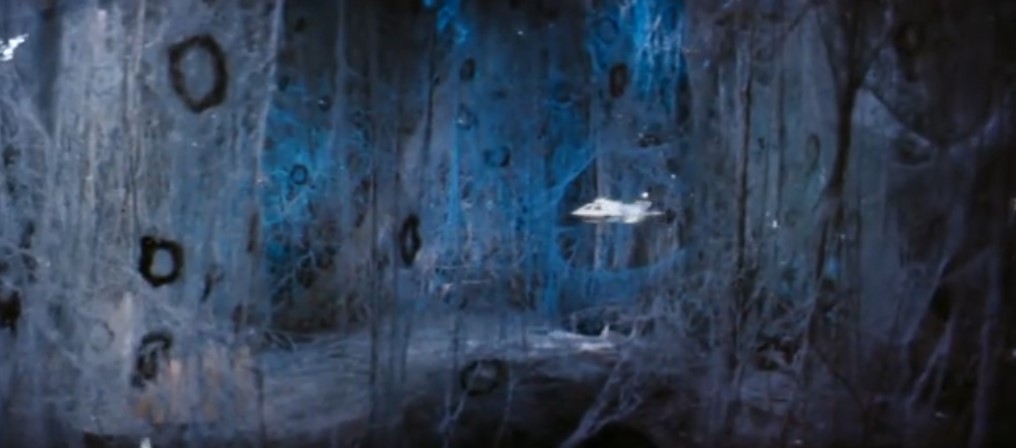
The score was composed and conducted by Leonard Rosenman. It complements the events on the screen as the Proteus traverses through the human body. There are moments of wonder, anxiety in equal measure supported by the background music.
My Thoughts
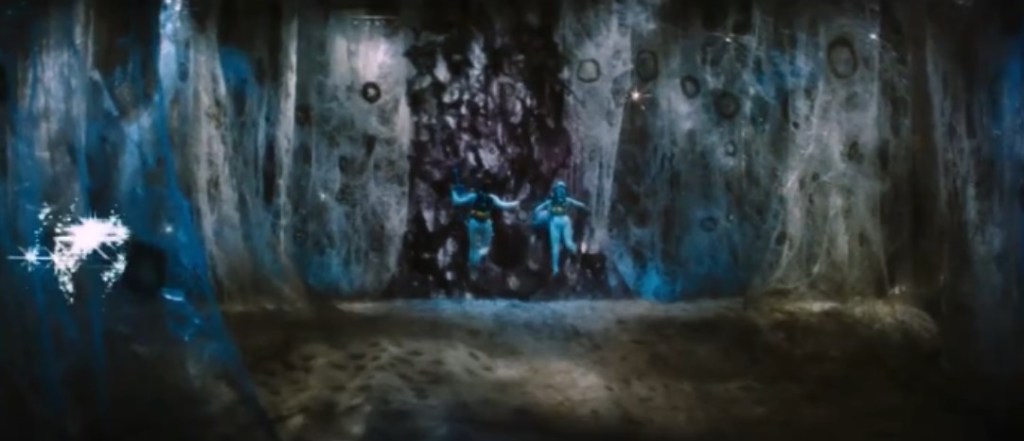
I had watched FV a long time back and was impressed by the special effects. Today, they may not look very impressive with CGI and green screens but it is still a visual delight. Specially impressive are the lung sequence and the attack by the anti bodies/ white cells.
The plot is too fantastic but the film maintains its seriousness throughout to make it believable. All the actors are good including the villain who is eventually revealed and meets a horrifying end. Looking back, it is a 60 year old movie but definitely worth a watch.

 Cine Gaurav