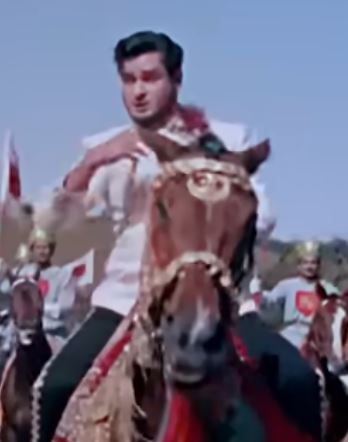
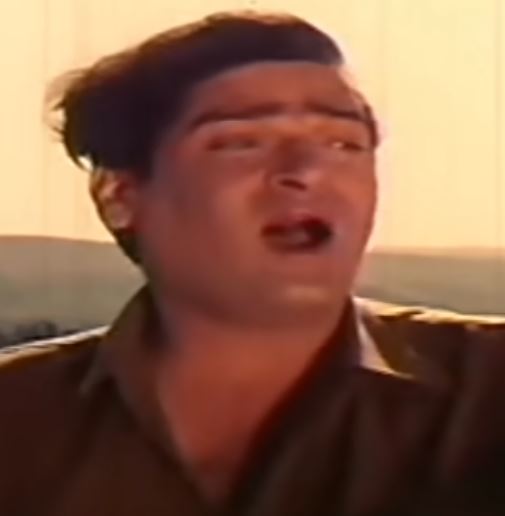
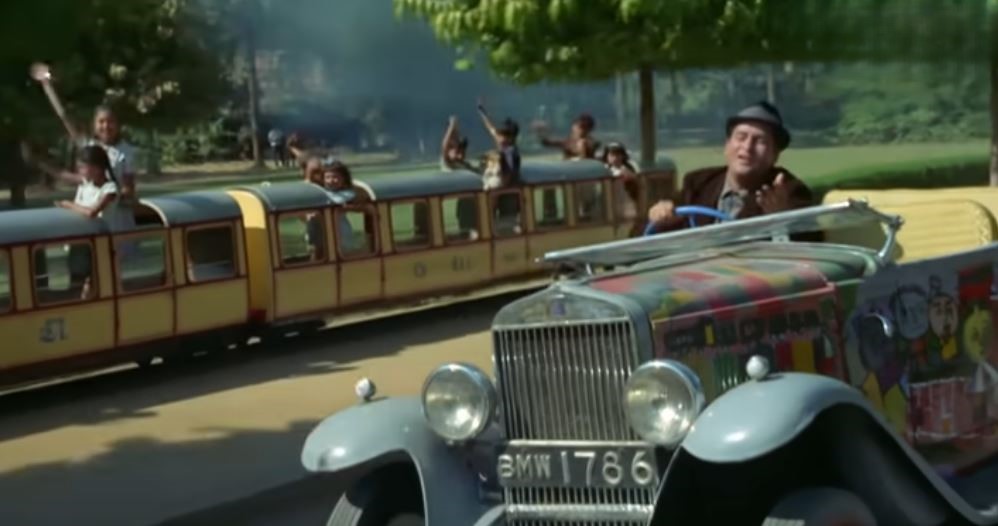
Johar Mehmood in Goa (1965)

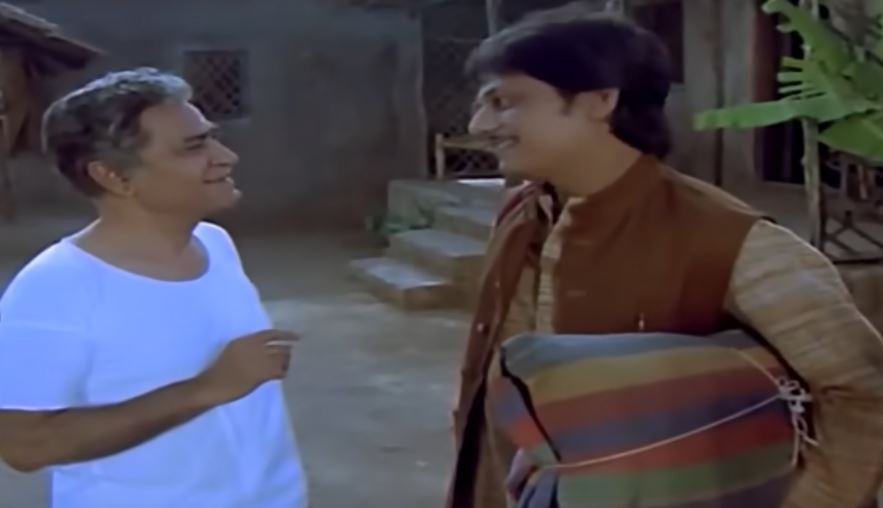
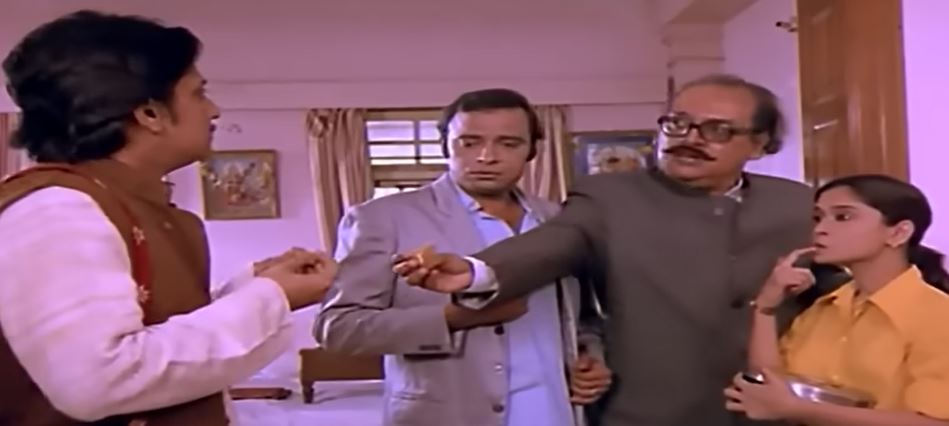
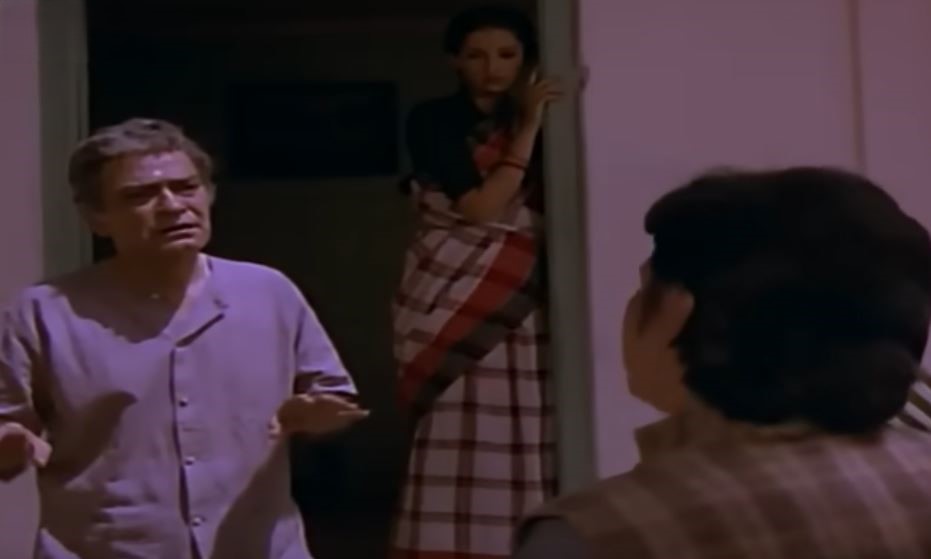
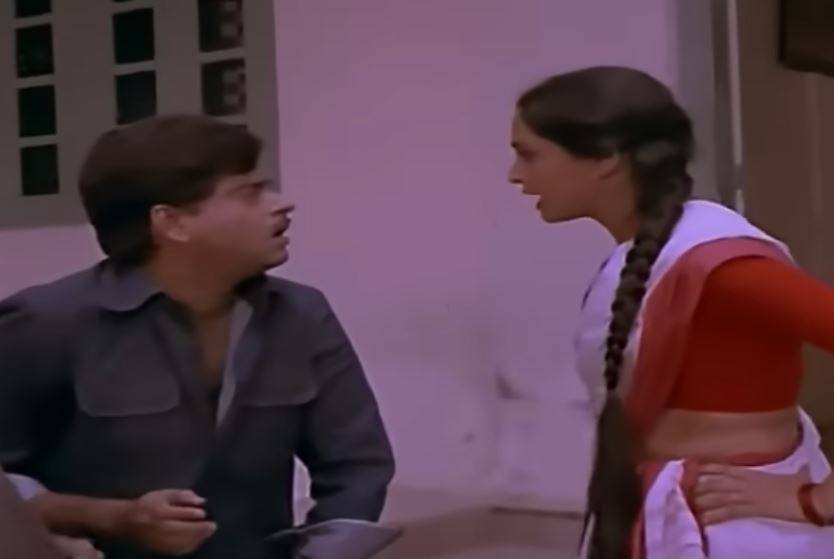
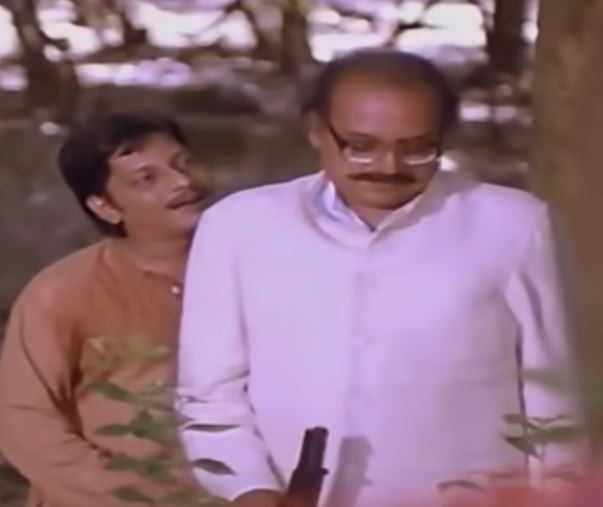
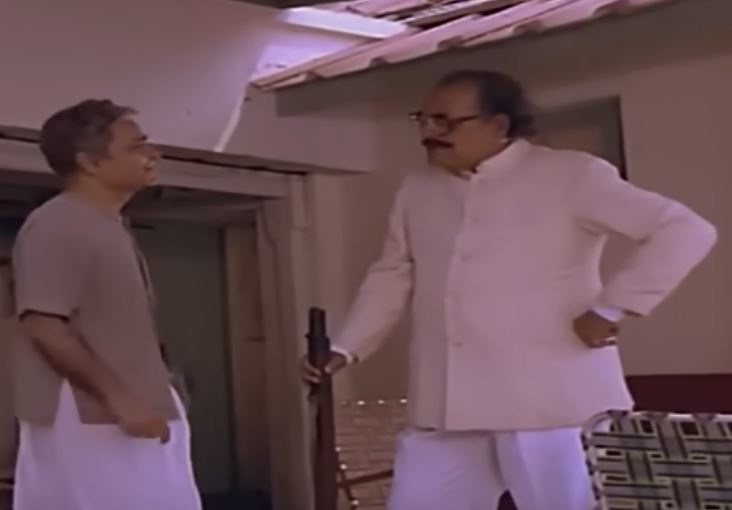
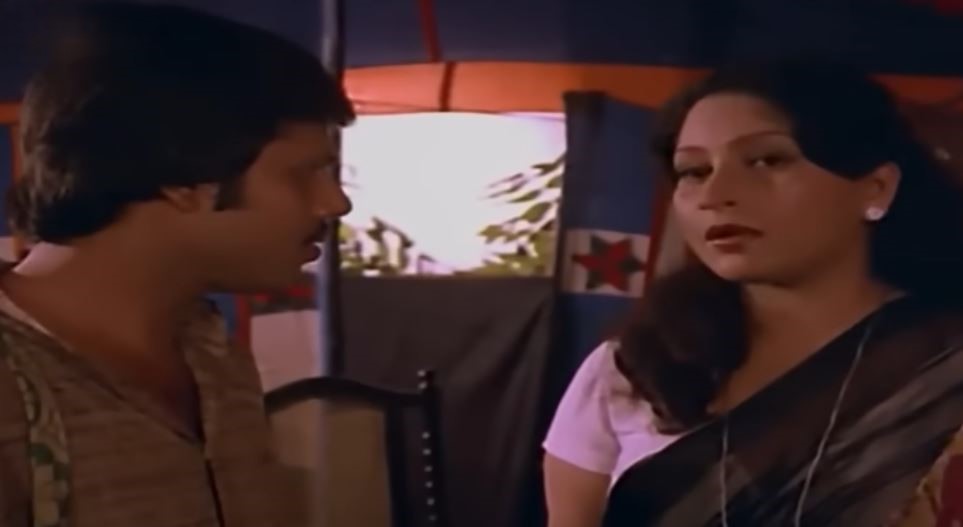
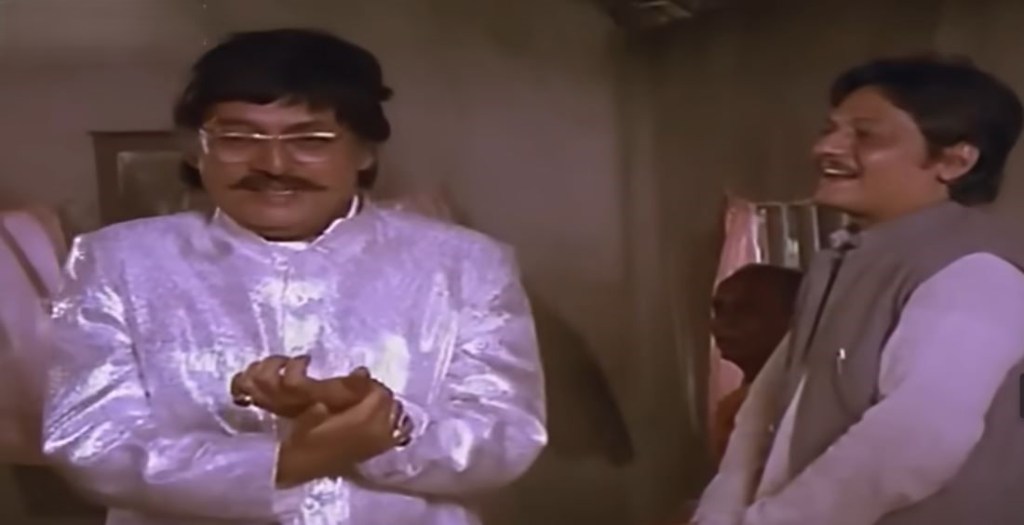
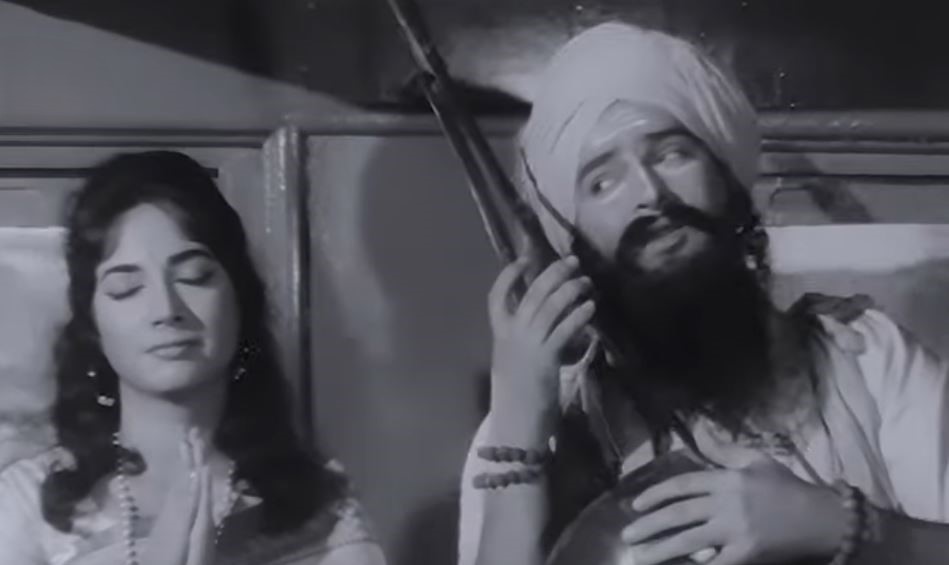
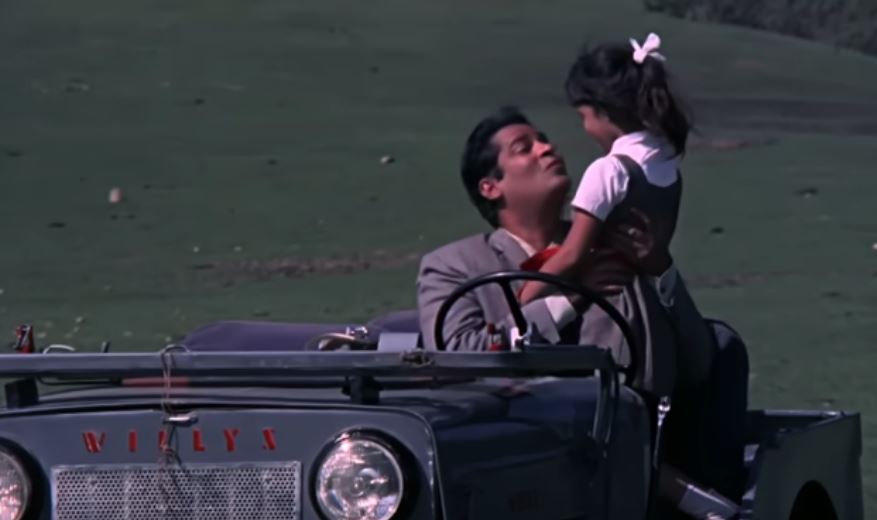
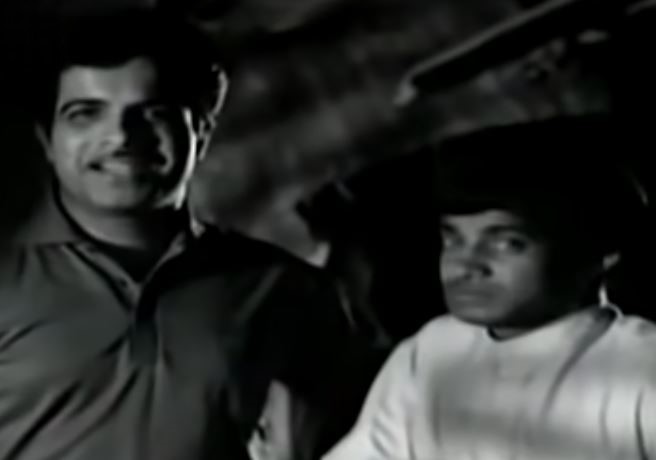
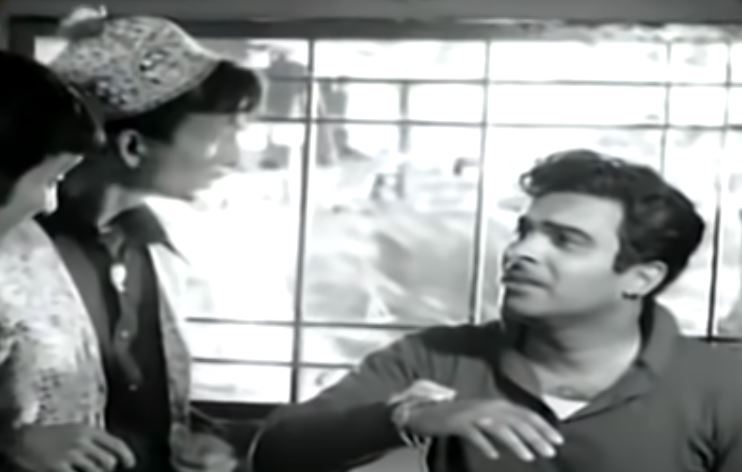
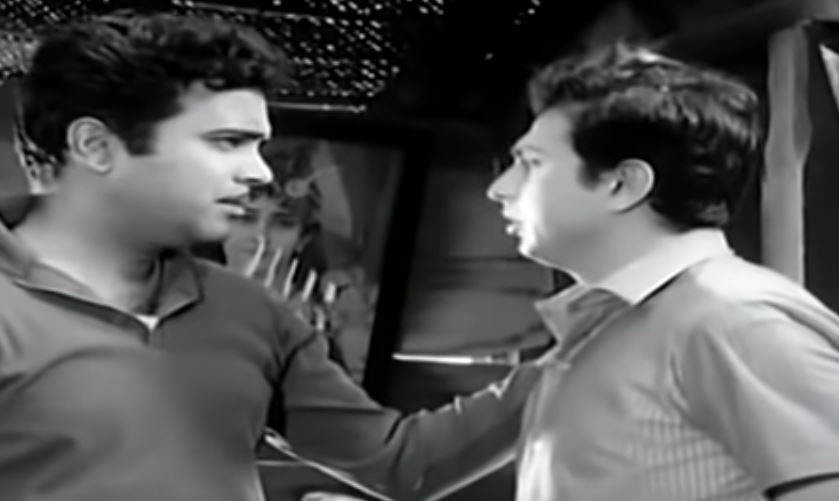
Today, lets talk about I. S. Johar whose birth anniversary falls on 16 February (born: 1920). I was familiar with his roles as a character actor in films like Goonj Uthi Shehnai, Shagird, Safar, Johnny Mera Naam and Pavitra Paapi to name a few. He used to have a scowl on his face and normally played comedy/ villainous characters with sarcasm filled dialogues. But that is a limited introduction. He was an educated man (M.A., LLB) who was an actor, writer, producer and a director. He was also one of the first Hindi actors to work in international productions, notable being Lawrence of Arabia (1962). The movies he produced and directed carried his distinctive stamp. Apparently he had an eccentric personality in his personal life which reflected in the movies he made. One of his famous movies as an actor/producer/director was Johar Mehmood in Goa (JMIG), where he teams up with ace comedian Mehmood.


The Plot

The plot of JMIG as the name implies happens in Goa. It occurs during the time when the Portuguese ruled Goa even after India gained its independence in 1947. The movie opens with a church scene. Mary (Sulochana) is crying and sharing her thoughts with Father (Chaman Puri). Mary, a Catholic was staying in Burma during the 2nd World War. She had secretly married an army contractor (who was a Protestant). Her father opposed the relationship.

One day, she is informed that her husband has been killed in the enemy bombing. A pregnant and desperate Mary walks all the way from Burma to Goa (really?). She has given birth to 2 boys but decides to abandon them considering her hopeless situation. She leaves the babies on the steps of 2 different houses so as not to burden one family with 2 babies (how considerate!) and walks away. She lives in Daman for 12 years before returning to Goa.

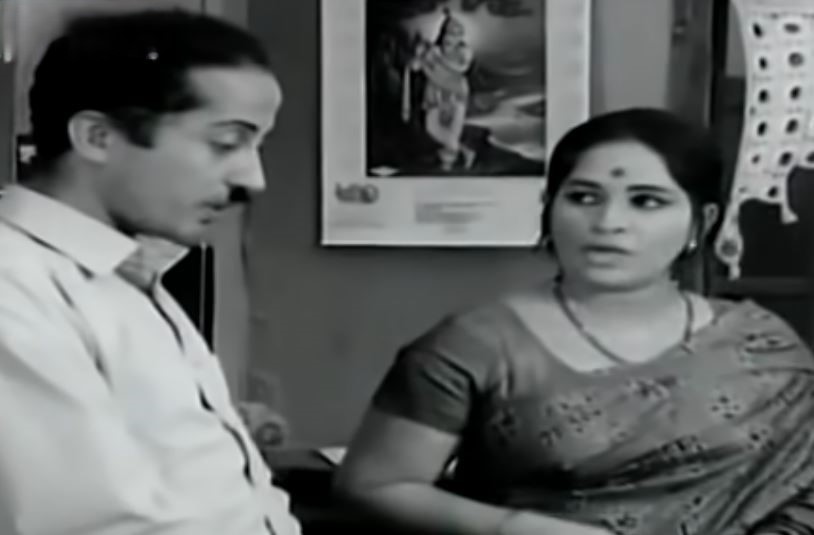
The boys are readily accepted by two couples, one a Hindu (played by Ulhas and Leela Chitnis) and other a Muslim (played by Murad and Mumtaz Begum). Conveniently, both couples are childless and are happy to bring up the boys as if they were their own offsprings. The boys are named Ram and Rahim, their fathers being respectively a Pandit and a Maulvi. The boys are fast friends. They hate the Portuguese and openly shout slogans like “Portuguese murdabad” in school mildly angering their teacher Mr. Pinto (Mukri). Mr Pinto serves the Portuguese Government but is their critic in private.

One day the boys are shouting slogans on the road when the police start chasing them. Mary (now the Mother Superior in the Goan church) sees the police and shields the boys. She reminds them of her own children who would be of the same age today. This scene reminds us of Amar Akbar Anthony. Did Manmohan Desai seek inspiration from this movie? I wonder…

The police manage to catch the boys and bring them to the police station. And guess what, we are introduced to their father! Yes, Mary’s husband Peter (Surendra) who had supposedly died in Burma is actually alive. He was caught by the enemy and later released. He is now in the Goan police, serving the Portuguese. So we know the parents and children are in Goa but their connection will not be revealed till, well the movie’s climax.

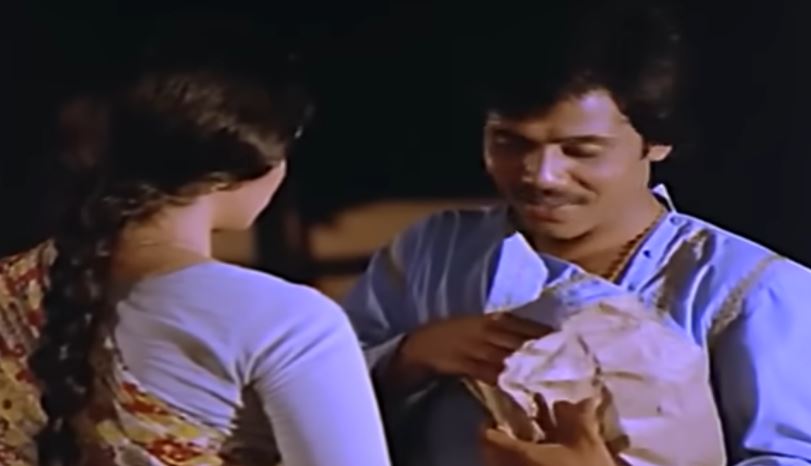
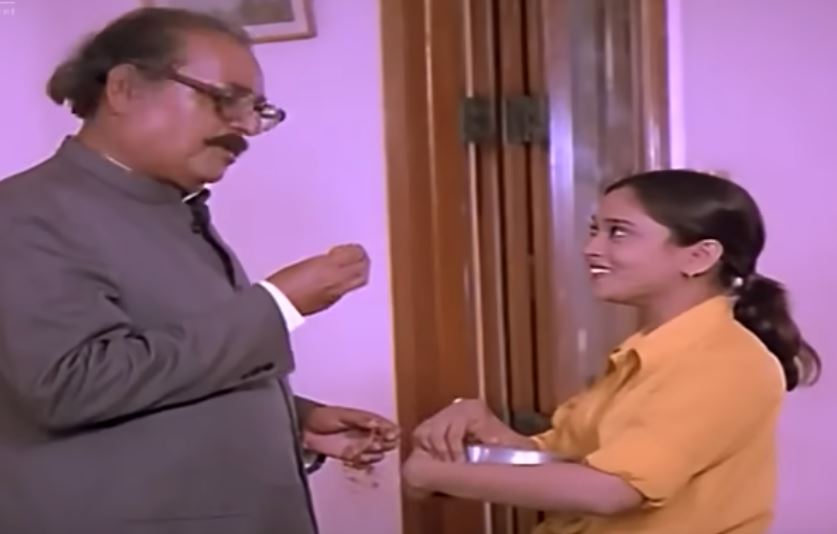
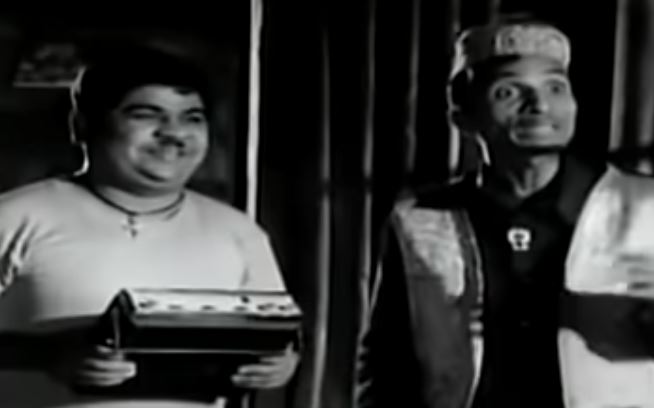
12 years pass and the Portuguese oppressive rule continues. The Superintendent of Police (SP) Albuquerque (played by Kamal Kapoor) ensures that freedom fighters are punished by putting them in jail. He is on the trail of Ram (I.S. Johar) and Rahim (Mehmood), who are now young men. Ram and Rahim have started an underground movement for opposing the the Portuguese and their (often hilarious) schemes seem to be successful. These include robbing the bank, setting the house of the SP on fire (posing as firefighters) and so on. These comedy scenes turns out really good. Helping them to gain inside knowledge of the Portuguese authorities’ plans is Mr Pinto, who is now the school principal.

The city’s new chief i.e. Hakim (Sapru) is arriving with his daughter Rita (Soniya Sahani) in Goa. A big welcome procession is being planned. The DSP Peter informs the SP that Ram and Rahim are sure to target the procession. Just then news arrive that Ram and Rahim have been arrested and are being taken to the jail. The duo sing the delightful song “Ye do deewane dil ke, chale hai dekho milke” in the police van. Both manage to escape making the SP furious. He tells DSP Peter that the procession will go ahead as planned. But there will be a fake Hakim in it. The real Hakim and his daughter will be transferred by motorboat to their residence. Pinto shares these details with Ram and Rahim.

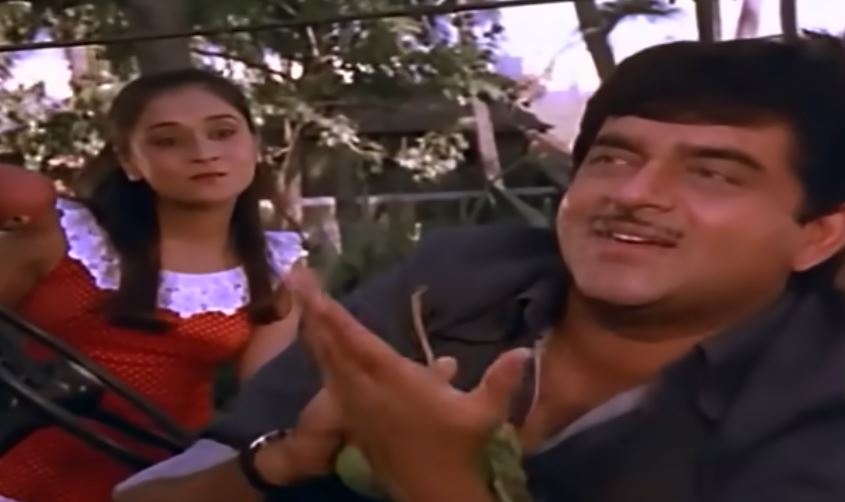
Ram is entrusted to “take care” of the Hakim and Rita while Rahim will look after the procession. Ram impersonates Peter and meets the Hakim. Hakim asks him to to take Rita to the official bungalow safely. Ram fools Rita easily and takes her to the forest. He makes her sing an “inquilabi” freedom song with him (Na koi raha hai na koi rahega, mera desh azaad hoke rahega) which is directed against the Portuguese. The real police reach their hiding place and Ram is forced to flee. Rita is furious that she has been fooled by Ram and seeks revenge. The SP Albuquerque cajoles her; he is also her fiancee.

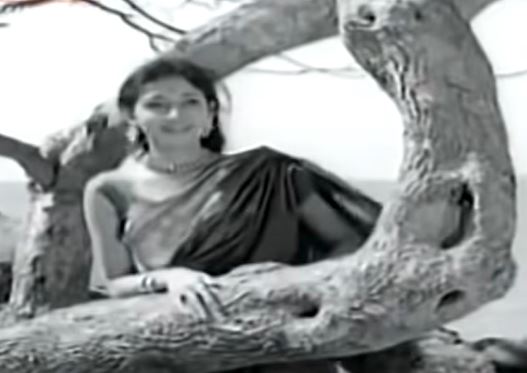
Ram reaches the underground hideout to meet Rahim and their freedom party members. Pinto brings with a new recruit, a young lady Simmi (Simi Garewal). Being a woman, her inclusion is opposed. She has a fiery temperament and is an excellent knife thrower. She gives a demonstration to showcase her skill and is accepted as a party member.

There are celebrations for the Hakim’s arrival and the freedom party plans to kill him by participating in a dance performance. Ram and Rahim pose as female dancers singing “Mar gayi allah, chhod de palla” while Simmi attacks the Hakim. But the SP is alert and foils their plans.

Ram and Rahim are chased by DSP Peter and they enter the church. Mary and Peter come face to face and are shocked to see each other. But Mary behaves in an aloof manner and asks him to leave as this is a place of worship. Ram and Rahim are thankful to her for saving them. Meanwhile the SP chases Simmi, and Rahim arrives in time to save her.

Rita plots with the SP to capture Ram by calling him to meet her in a secluded area away from the city. But the plan fails. Ram outwits the police and holds Rita captive in the forest. She is forced to spend time with him waiting to be rescued.

Rahim’s father is staying in the mosque, he is seriously ill. The police lay siege to the mosque to capture Rahim. Rahim hatches a weird plan (again!). There is a famous plastic surgeon in the mosque. He performs plastic surgery on 4 men and makes them look identical to Rahim. So we have 5 Rahims coming out of the mosque and the police are forced to arrest all of them. They sing a merry song in the jail “Aji aisi nazar ko kya kahiye.”

The madness continues! Rita is stuck with Ram in the forest. It is the perfect time to get impressed by him and fall in love. Ram sings “Dheere re chalo mori baanki hiraniya” and she sings a dream song “Ankhiyon ka noor hai tu.”

Rahim is freed from jail by Simmi and there is another song in disguise “Kuch bhi kahe duniyawale hum hai abhi jawaan” as they are on the run from the police and enter a club.

We have more plotting and entertaining twists before the Portuguese are vanquished, and there is a happy ending.

The Music

Kalyanji Anandji are the music directors. There are multiple singers including Mohammed Rafi, Manna Dey, Kishore Kumar, Mukesh, Shamshad Begum, Kamal Barot, Suman Kalyanpur and Usha Khanna. Ye do deewane dilke, chale hai dekho milke (Mohammed Rafi and Manna Dey), Dheere re chalo mori baanki hiraniya (Mukesh) and Ankhiyon ka noor hai tu (Suman K and Mukesh) stand out.

My Thoughts

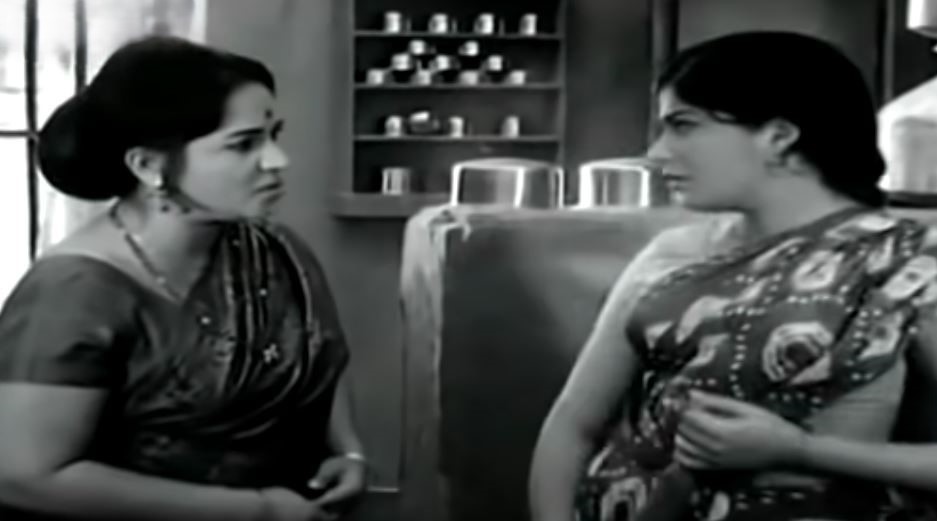
Overall, I.S. Johar succeeds in making an entertaining film. While meant to be a comedy, it has a serious undertone which increases its impact. He manages to balance the fast moving story line and multiple characters, churning out a successful narrative. Mehmood appears subdued compared to his other comedy roles. The female characters are shown to be fiesty and decisive which is a welcome change. There is a scene where Ram’s and Rahim’s mothers run away by operating a train engine! This is Soniya Sahani’s debut movie. She appeared in multiple movies with I.S. Johar and also married him later.

So, it was a revelation to watch a movie where I.S. Johar is the hero who acts and entertains in a fun way. A final bit of trivia – I.S. Johar is the uncle of Karan Johar.

Mahal (1949)

Some movies are trendsetters. Mahal (literally: palace) can be termed as such a movie. It was probably the first Hindi movie involving a haunted mansion, a beautiful ghost singing a haunting song. And the hero all ready to follow her, mesmerized by her beauty and singing. Welcome to the horror / suspense genre.

A comparatively young Ashok Kumar and even younger Madhubala at her ravishing best, accompanied by horror elements, great music and an unpredictable story line add to the charm of Mahal.

Some trivia. Ashok Kumar was the co-producer of the movie under the Bombay Talkies banner. It was Kamal Amrohi’s first movie as a director. Kamal Amrohi passed away on 11 February 1993 and its Madhubala’s birthday on 14 February.


The Plot

The movie begins with a man arriving at a palace like residence on a stormy night. This is the Mahal named as Sangam Bhavan. It was built on the bank of the Jamuna river in Naini close to Allahabad. There is a voice over which informs us that the Mahal is regarded inauspicious and haunted due to its history. The old gardener (maali) of the Mahal is narrating the Mahal’s unfortunate history to the man.

Some 40 or 45 years ago, an unknown man built the Mahal/ Sangam Bhavan. He would cross the Jamuna river every night, inspect the construction and go back in the morning. After the Mahal was built, a lady called Kamini came to stay here with him. She would wait for his arrival by boat every night. He would visit her and leave in the morning. One night, the boat was caught in a storm while crossing the river and got sunk. Later, Kamini also dies in the waters of the Jamuna. The gardener serving the owner does not know the owner’s name or his origins. He has continued to stay there acting as a caretaker.

He is narrating all this to the new owner of Mahal – Hari Shankar (Ashok Kumar). Shankar is the son of a reputed judge in Kanpur who has purchased the Mahal. Shankar asks the gardener to go and inform his friend Barrister Shrinath in Allahabad that he has arrived at Sangam Bhavan. The gardener leaves and Shankar prepares to spend the night in the Mahal.

A painting suddenly falls down and Shankar is shocked to see himself in the painting. This is the original owner’s painting and an exact copy of Shankar. Shankar is thinking whether he is the reincarnation of that unknown owner in the painting. As he is reasoning, the clock strikes 2.00 a.m. The storm continues outside, the chandelier sways and he hears a woman singing a song. This is Aayega Aanewala, perhaps the most iconic of haunting songs in Hindi cinema.

Shankar follows the woman (Madhubala) throughout the Mahal but she keeps disappearing and reappearing. The song ends. Shankar is shaken by the spooky atmosphere. The storm, the painting and now this woman and her song! He is still in a state of disbelief when his friend Shrinath (Kanu Roy) reaches Sangam Bhavan. He advises Shankar that the painting is a coincidence and to forget the imaginary woman. Upon hearing this, the woman suddenly appears and tells them she is not a fantasy. Apparently, she is Kamini, the same woman who was associated with the previous owner and had died after his death. It seems she is Kamini’s soul, waiting for her lover to arrive again and unite with her.

Shrinath convinces Shankar to forget the Mahal and the woman and return to Kanpur. Apparently, Shankar has a fiancee in Kanpur and they are about to get married. Shankar’s father has admitted his mistake in purchasing the “manhoos” Sangam Bhavan and wants to get rid of it soon.

The train leaves Allahabad station and reaches Naini. It is 2.00 a.m. Shankar sees the Mahal from the train, hears the haunting melody and cannot control himself. He gets down at Naini, and returns to Sangam Bhavan. He has a face to face interaction with the ghost/ soul Kamini. This is an impressive scene and Kamini (Madhubala) conveys a lot through her expressions and minimum dialogue. As Shankar is getting closer to Kamini, Shrinath arrives and shouts at Shankar. Kamini warns Shrinath not to come between her and Shankar. She has been waiting for him all this while. Shrinath tries to kill her but is unsuccessful. Can a ghost die?

So Shankar stays back. Every night, the clock strikes 2.00 and Kamini emerges. Shrinath wants to help hs friend. He approaches 2 woman “entertainers” to use their charm and ensure Shankar gets out of his fantasy. The 2 sisters (Leela Pandey and Sheela Naik) perform a song “Ye Raat Phir Na Aayegi.” They are almost successful in diverting Shankar’s attention. But the clock strikes 2.00 and Shankar hurries back to Sangam Bhavan.

Kamini is waiting for him. She shows him the secret passages of the Mahal. She takes him to the spot by the river where she would wait for her lover. Shankar is almost in a trance and ready to do anything for Kamini. She asks him to jump in the river and give away his life so their souls can reunite in the present life. But she is afraid that the attempt would fail and they would remain separated.

She proposes a weird alternative. Shankar needs to kill a woman he loves so that Kamini’s soul can enter the dead woman’s body and spend the rest of her life with Shankar. Shankar tells her he does not know any woman so she proposes he kill the gardener’s daughter. So easy! There is a great build up of suspense and anticipation as Shankar waits to meet the daughter in the morning. But the plan fails when Shankar’s father arrives with Shrinath to take him back to Kanpur forcibly.

After a dramatic interaction with his father and emotional blackmailing, Shankar agrees to get married to Ranjana (Vijayalaxmi). Kamini vents her sorrow through a song Mushkil hai bahut mushkil. On the suhaag raat, Shankar leaves Ranjana as the clock strikes 2.00 a.m. and returns later. Of course, Ranjana is puzzled by his actions.

Shankar informs Ranjana that he has made the decision to leave Sangam Bhavan. He plans to go and settle in a far-off place where he will not be troubled by the 2.00 a.m. musical summons from Kamini. Then he will be able to spend time with Ranjana and be able to love her. Ranjana has no choice and agrees to the decision.

But it is not a very feasible solution. After a long travel, the couple settle down in a mountainous area. 2 years pass by. But things do not go on expected lines. Shankar does not develop a relationship with Ranjana. And strangely, he has still not seen her face all this while! An unhappy Ranjana conveys all this via a letter to her bhabhi (the wife of Shankar’s friend).

Where does this lead to? Will Shankar return to Sangam Bhavan? What happens to Kamini, will her love be successful in this life? And what is the future of Shankar and Ranjana’s marriage?

The Music

The lyrics are by Nakshab and music by Khemchand Prakash. Of course, Aayega Aanewala is the clear winner and remembered even after so many years. It was Lata Mangeshkar’s breakthrough song. Unfortunately, in those times, the film credits or the music records did not mention the singer’s name (this would change soon for the better!).

The other songs including the duet Ye Raat Phir Na Aayegi (by Zohrabai Ambalewali and Rajkumari) are not bad. But there are too many sad songs (in the voices of Rajkumari and Lata Mangeshkar). They slow down the flow of the story and seem repetitive.

My Thoughts

The movie was a big success. Kamal Amrohi does a splendid job in setting the movie’s dark tone and mysterious outline. The ghostly scenes leave their impact on the audience. There is a scene involving Ranjana, and her encounter with a bat and a snake. It is a captivating scene involving some scary close-ups.

This was Madhubala’s first hit film. She performs the serious role brilliantly. Unfortunately, she was typecast in those bubbly roles in most of her later movies. Ashok Kumar is too good. He shows his helplessness where he is seeking to identify his past relationship with Kamini and also come to terms with his present life involving his father, wife and friend. He brings out the psychological impact effectively right from the initial scene involving the painting. Rest of the supporting actors are good. Being a 40s film, some dialogues and scenes sound odd today and may seem slow and boring.

The film is not without its flaws. Some plot points are not explained properly and liberties are taken by the director. There are loopholes in the story. In spite of the shortcomings, the film manages to engage the viewer till the end. There are some surprising plot twists right up to the climax which leave their mark on the unsuspecting viewer. Well that is what makes a suspense film successful, right?

Lata Mangeshkar (1 voice – 10 heroines)

6 February 2022, its already been 3 years since India lost a singing legend, someone who can be rightly termed as a national icon. Perhaps no other playback singer has contributed to film music as Lata Mangeshkar did in her multi-decade career. The heroines were so lucky to have her as their onscreen voice. I feel she was superlative in the 1950 to 1970 period.

Today’s post is dedicated to Lata Mangeshkar (LM) and the heroines she sang for in the 1950s and 60s i.e. the top heroines of the 2 decades who were blessed to have many or rather most of their songs sung by LM. All are romantic and happy numbers. So here we go…


1) Song: Mujhe Kisi Se Pyaar Ho Gaya
Film: Barsaat (1949)
Credits: Hasrat Jaipuri | Shankar Jaikishan | Lata Mangeshkar

Lets start with Nargis, a combination of beauty and great acting skills. LM has sung many songs for Nargis especially for R. K. Films including Awara, Aah, Shree 420 and Jagte Raho. In this song, we see a very young Nargis with Raj Kapoor. Raj Kapoor plays the violin and Nargis frolics around singing the bouncy song. This was a breakthrough movie for LM along with Mahal and Andaz the same year. She was all set to capture the listeners’ hearts with her incomparable talent.

Aankhon aankhon mein kar ke ishaare,
Kisne dil se kaha hum tumhare,
Haay yeh kya kiya, O salone piya, mora dhadke jiya,
Ho o o o, mujhe kisi se pyaar ho gaya


2) Song: Unse Pyaar Ho Gaya
Film: Baadal (1951)
Credits: Shailendra | Shankar Jaikishan | Lata Mangeshkar

A classic beauty Madhubala. Here she is at her chirpy best, bringing out all the expressions that only she can display. And that smile! Madhubala was one of the actresses for whom LM’s voice fits perfectly and this song is no different. Both enchant us in this enduring number based on raag Bhairavi. Like the earlier song, the heroine keeps talking about falling in love and what a lovely feeling that is!

Ulfat ki dekho kaisi ajab kahaani,
Aye na baadal phir bhi barasa hai paani,
Unse pyaar ho gaya unse pyaar ho gaya


3) Song: Ghadi Ghadi Mora Dil Dhadke
Film: Madhumati (1958)
Credits: Shailendra | Salil Chowdhury | Lata Mangeshkar

A southern beauty with unmatched dancing skills – Vyjanthimala. LM sings a song of waiting, the heroine is looking forward to meet Dilip Kumar. Simple lyrics and music but highly effective.

Saari umar ke badale maine maangi thi ye shaam,
Aaj yahi kho jaungi main unki baahen thaam re, unki baaahen thaam,
Pyaar mila aanchal bhar ke, dil dhadke, kyu dhadke
Aaj milan ki bela mein, sar se chunariya kyu sarke,
Ghadi ghadi mora dil dhadke


4) Song: Mora Gora Ang Lai Le
Film: Bandini (1963)
Credits: Gulzar| S. D. Burman | Lata Mangeshkar

Nutan was an accomplished actress and good at singing. She was one of the actresses who could lip sync the songs so well being a singer herself. And if the singer is LM, the result is pure gold! This is Gulzar’s first song as a lyricist. The heroine has realized she has fallen in love and brings out her emotions. She even admonishes the moon for peeping at her from the clouds and teasing her plight.

Badari hataa ke chandaa, chup ke se jhaanke chandaa,
Tohe raahu laage bairi, muskaaye ji jalaai ke,
Ho o o o, mora gora ang lai le


5) Song: Ek Tu Jo Mila
Film: Himalay Ki God Mein (1965)
Credits: Indeevar | Kalyanji Anandji | Lata Mangeshkar

Mala Sinha was a singer on All India Radio before she moved to Hindi movies and had a long career as a heroine. In this song, the heroine has realised that the hero (Manoj Kumar) is the one for her. She acknowledges the feeling in an evergreen song based on raag Charukeshi. LM is in top form singing with all emotion and verve in this fast paced composition.

Kabhi jo na bichade wo saathi hu mai,
Tu mera diya teri baati hu mai,
Bujhaya bujhi, jalaya jali,
Khila jo mera dil saari bagiya khili,
Ek tu jo mila


6) Song: Piya Tose Naina Laage Re
Film: Guide (1965)
Credits: Shailendra | S. D. Burman | Lata Mangeshkar

An intense actress and a skilled dancer, that was Waheeda Rehman. Guide was one of her most famous and challenging roles, which did not fit into the normal definition of a Hindi film heroine. While the song showcases her dancing and rise as a performer, it also shows the progressing of romance between the 2 lead characters played by Waheeda Rehman and Dev Anand. This is a long and tough song, Waheeda is magic on screen and LM off it.

Rat Ko Jab Chand Chamake, Jal Uthhe Tan Mera,
Mai Kahu Mat Kar O Chanda, Iss Galee Kaa Phera,
Aana Mora Saiyya Jab Aaye,
Chamakana Uss Rat Ko Jab Milenge Tan Mann, Milenge Tan Mann
Piya Tose Naina Laage Re, Naina Laage Re


7) Song: Suno Sajana
Film: Aaye Din Bahar Ke (1966)
Credits: Anand Bakshi | Laxmikant Pyarelal | Lata Mangeshkar

Asha Parekh was known as the “hit girl” who had a string of hits to her credit. In this song, the heroine informs the hero about the arrival of spring. Flowers are blooming all over and so is love. LM’s voice is infectious right from the first alaap; the song on screen showcases the chirping of birds and glory of the nature, slowly blossoming into a romantic number.

Dekho na aise dekho, marzi hai kya tumhaari,
Bechain kar na dena, tumko kasam hamaari,
Hum hi dushman na ban jaaye, kahi apni qaraar ke,
Sambhal jaao chaman waalo, ke aaye din bahaar ke


8) Song: Unse Mili Nazar
Film: Jhuk Gaya Aasman (1966)
Credits: Hasrat Jaipuri | Shankar Jaikishan | Lata Mangeshkar

Saira Banu was another beautiful heroine of the 60s. The song involves a cute and funny sequence in the movie. There is a realisation of love song but the lovers are yet to admit it. The heroine describes the hero, her attraction towards him, totally unaware he is in her room under the bed and listening with all interest. It is worth noting how LM modulates her voice to suit the heroine and matching the pace and nature of the song. What a delight to the listener!

Jab woh mile mujhe pehli baar,
Unn se ho gayi aankhein chaar,
Paas na baithe pal bhar woh,
Phir bhi ho gaya unn se pyaar,
Itni thi bas khabar, itni thi bas khabar,
Itni thi bas khabar ke mere hosh udd gaye,
Unn se mili nazar ke mere, hosh udd gaye


9) Song: Kis Liye Maine Pyar Kiya
Film: The Train (1970)
Credits: Anand Bakshi | R. D. Burman | Lata Mangeshkar

Nanda had to work as a child actress to support her family and later became a successful heroine. It is said that LM’s voice is a perfect match for her. This is a soft romantic song. Nanda is in a joyous mood and eagerly waiting for Rajesh Khanna’s arrival at her house. He is going to speak about their marriage with her mother.

Aankho mein maine kajal dala, maathe pe bindiya lagai,
Aise me tu aa jaye to, kya ho ram duhai,
Chhup ke mann mein armano ne li kaisi angadai,
Koi dekhe to kya samjhe ho jaye rusvai,
Maine kyon singar kiya, dil ko yuhi bekarar kiya,
Sham savere teri raah dekhi, raat din intazar kiya ho,
Kis liye maine pyaar kiya


10) Song: Mausam Hai Aashiqana
Film: Pakeezah (1972)
Credits: Kamal Amrohi | Ghulam Mohammed | Lata Mangeshkar

And finally, Meena Kumari, a beautiful and brilliant performer. One of the finest from the 1950s & 60s era. Dramatic circumstances lead to the heroine meeting the hero, steering her life in a new direction. The protagonist realises she has fallen in love and bursts into song. LM makes the raag Yaman Kalyan song sound so easy and does full justice.

Suraj kahi bhi jaaye tum par na dhup aaye,
Tumko pukarate hai in gesuon ke saaye,
Aa jaao mai bana du palkon ka shamiyana,
Mausam hai aashiqana