It’s Diwali time, and I had to cover a film based on the festival. And what could be more appropriate than a movie titled Bhaubeej?
Bhaubeej (also known as Bhau Beej, Bhai Dooj or Yama Dwitiya) is a Hindu festival celebrating the sacred bond between brothers and sisters, much like Raksha Bandhan. On this occasion, sisters perform aarti and pray for their brothers’ well-being, while brothers traditionally give gifts to their sisters.
The Marathi film Bhaubeej also revolves around the relationship between a brother and sister. The siblings are separated by fate and meet again as adults, albeit under unfavourable circumstances. Does this plot sound familiar? There must be umpteen films that have explored the theme of family members being separated and reunited years later. While some conclude on a happy note, others, like Bhaubeej, take a tragic turn.
The film was made under the banner of Vaibhav Chitra and produced and directed by Rajan Kumar. It features well-known names such as Sulochana, Chandrakant and Suryakant in prominent roles. The film is also remembered for its music by Vasant Kumar Mohite, who, apparently, composed music for this film alone.
The Plot
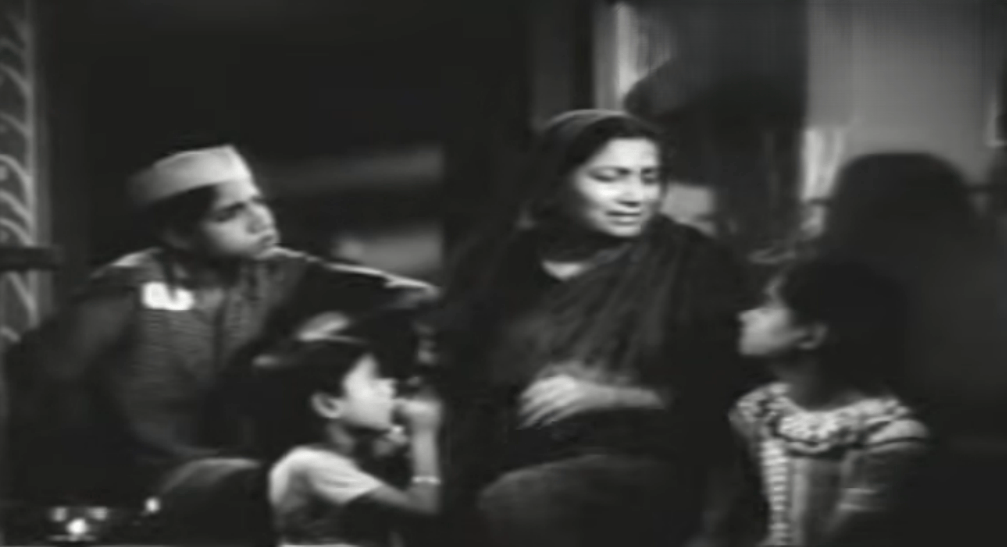
The initial plot revolves around a poor family living in a village. The father is no more, and the mother, Geeta, lives with her three children. The eldest is a son, Sarjerao, followed by two daughters, Maina and Manjula.
It’s Diwali time, and the day of Bhaubeej. Maina performs aarti for her brother while singing the hit song Soniyachya taati ujalya jyoti. She is gifted a valuable necklace, which her mother has carefully preserved for years. Maina promises to safeguard it always. (Why anyone would gift a school-going girl an expensive necklace and expect her to wear it every day is beyond comprehension!)
Amidst the festivities, however, Geeta is in a sombre mood. She tells her children about her own brother, with whom she has lost touch. The last time they met was on the occasion of Bhaubeej. Their separation was the result of a bitter family dispute involving their now-deceased father.
Once upon a time, their family was extremely wealthy and influential. However, their father lost everything due to his addictions and extravagant ways. He also insulted Geeta’s brother, following which the two never met again. Her brother apparently moved to Mumbai, settled there and made a name for himself. He had written to Geeta a few times, but she never responded because she did not want him to know about their desperate circumstances or become a burden on him.
Every year, Bhaubeej brings back memories of her brother. She tells Maina never to let anything come between her and Sarjerao and to cherish the bond they share.
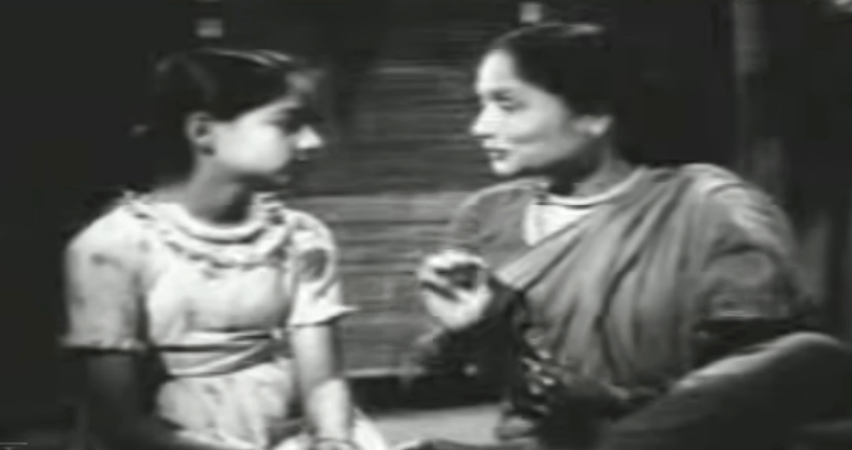
Sarjerao is aware of his responsibilities and attends school regularly, but the same cannot be said of Maina. She frequently bunk classes and visits the nearby house of Chandrabai, a Tamasha artist. Maina has a natural flair for dancing, and Chandrabai is impressed by her talent. Unfortunately, her own daughter, Champa, does not appear to be equally gifted. Seeing Maina’s potential, she tries to win her over by gifting her a new frock. Maina, being rather gullible, readily accepts it and promises to visit them often to play with Champa and practise dancing.
Sarjerao is furious when he discovers that Maina has skipped school to visit Chandrabai’s house. He forcibly brings her home and complains to Geeta. She is equally angry. Chandrabai, after all, was partly responsible for their father’s indulgent ways, and Geeta wants her family to stay away from the woman.
In a fit of anger, Geeta brands Maina with a piece of wood, leaving a permanent mark on her body.
The family visits the famous Jyotiba fair (mela), where Maina insists on getting a tattoo on her hand. She chooses to have her own name tattooed.
Later, the family proceeds to a bhandara, a traditional large-scale community feast organised by a wealthy man. There, Geeta unexpectedly meets her long-lost brother. He is shocked to see her living in such difficult circumstances. He has become wealthy and successful and is, in fact, the person organising the bhandara. His wife has passed away, and he has a daughter named Maya. He convinces Geeta that she must accompany him to Mumbai, where they can all live together.
Meanwhile, Maina meets Champa, who tells her that her mother is participating in a sawal-jawab Tamasha competition. Chandrabai is competing against a performer from Mumbai (played by Nalini Chonkar), but loses the contest. She realises that the times are changing and that her troupe needs fresh talent to survive. Maina appears to be the answer. Her dancing skills could attract more patrons and bring in much-needed money.
Chandrabai deceives Maina and takes her away from the village, far from her family. Meanwhile, Geeta, her brother and Sarjerao become increasingly worried about Maina’s disappearance. They search everywhere but find no trace of her. Eventually, they come to terms with the fact that Maina has been lost in the fair.
So, Geeta finds her long-lost brother but loses Maina in the process! (Movie mela justice, anyone?)
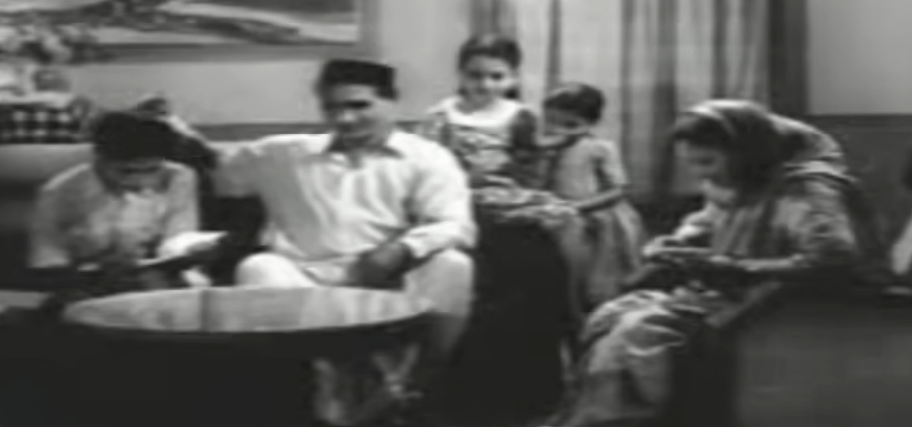
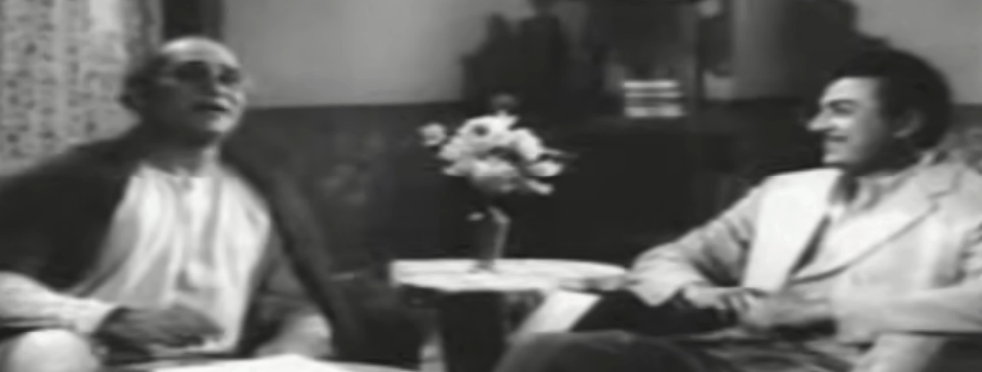
The scene now shifts to Mumbai, where the family has settled. Years pass, and the children have grown up. Sarjerao (Suryakant) is now a strapping young graduate who assists his uncle in the family business.
The uncle’s business partner has passed away, and his son Bajirao (Chandrakant) has joined the firm. Suffering from hypertension, the uncle wishes to gradually relieve himself of business responsibilities and hand over the reins to the two young men. Once they have settled into their roles, he also plans to arrange their marriages.
His proposal is that his daughter Maya should marry Sarjerao, while Geeta’s younger daughter, Manjula, should marry Bajirao. Geeta readily agrees to these arrangements.
Sarjerao, however, cautions his mother about Bajirao. Ever since his father’s death, Bajirao has inherited considerable wealth, which he has been spending rather irresponsibly. Geeta, though, believes that marriage and the responsibilities that come with it will bring about a positive change in him.
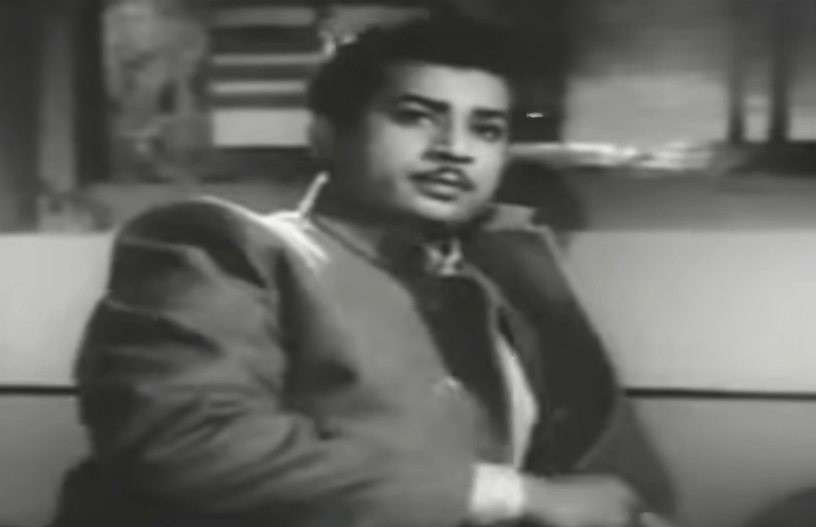
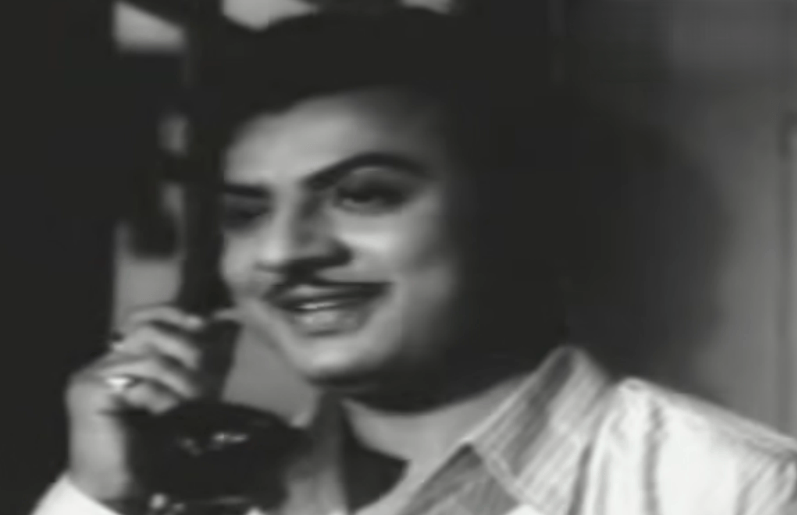
The marriages eventually take place. Sarjerao and Maya settle down happily, but the same cannot be said of Bajirao and Manjula.
Manjula is a traditional, old-fashioned girl, while Bajirao has modern tastes and a very different outlook towards life. Their contrasting attitudes lead to frequent disagreements. Manjula is unwilling to change or even consider being flexible in adapting to her husband’s ways. Bajirao, too, is equally adamant, and their differences soon turn into regular confrontations. Unfortunately, he resorts to mistreating her, making their married life increasingly unhappy.
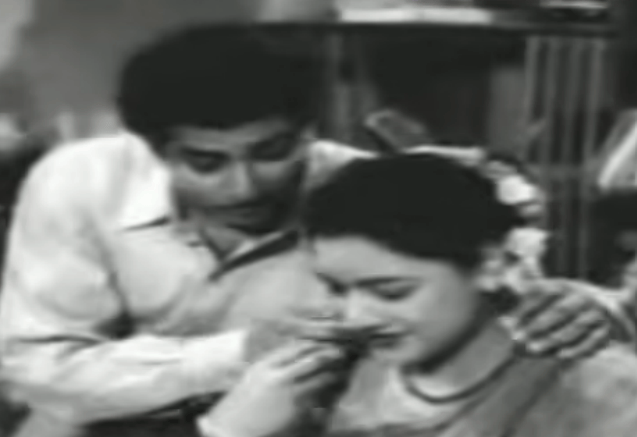
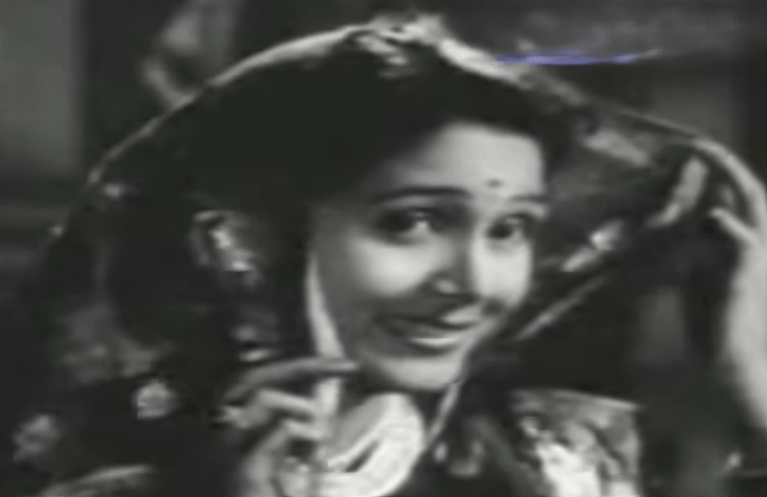
But the biggest problem in their relationship is the presence of another woman in Bajirao’s life. He regularly visits a Tamasha theatre, where he seeks entertainment from a beautiful lavani performer who turns out to be none other than the grown-up Maina (Sulochana). (So, this is where Maina has ended up in Mumbai!)
To complicate matters further, Maina is in love with Bajirao. She enjoys the attention and affection he showers on her, along with the expensive gifts he keeps bringing her. Bajirao’s visits to the theatre are therefore not merely for entertainment; they have developed into a relationship that threatens his marriage to Manjula.
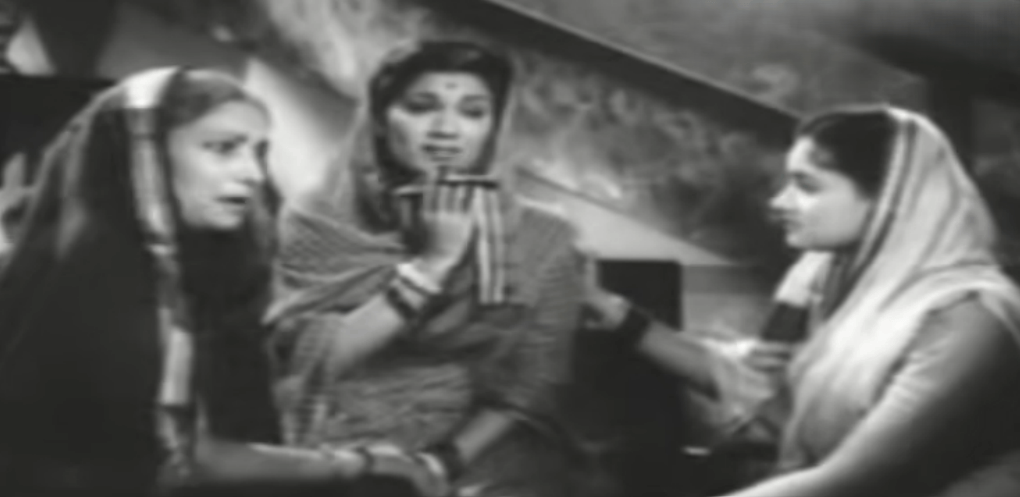
Manjula is unfortunately the one who bears the brunt of Bajirao’s behaviour. He withdraws large sums of money to splurge on Maina, much to Sarjerao’s disapproval. Sarjerao resents his behaviour and confronts him, but Bajirao couldn’t care less. After all, he argues, he is spending his own money!
Matters take an unexpected turn when Sarjerao and Maina come face to face, and he recognises her as his long-lost sister. What will happen when Maina discovers that Bajirao is married to her own sister? How will this complicated situation be resolved? More importantly, will Bajirao be willing to give up Maina?
The complications continue to mount, eventually leading to an emotionally charged climax, once again on the day of Bhaubeej. The film ends on a tragic note, bringing the story full circle.
The Music
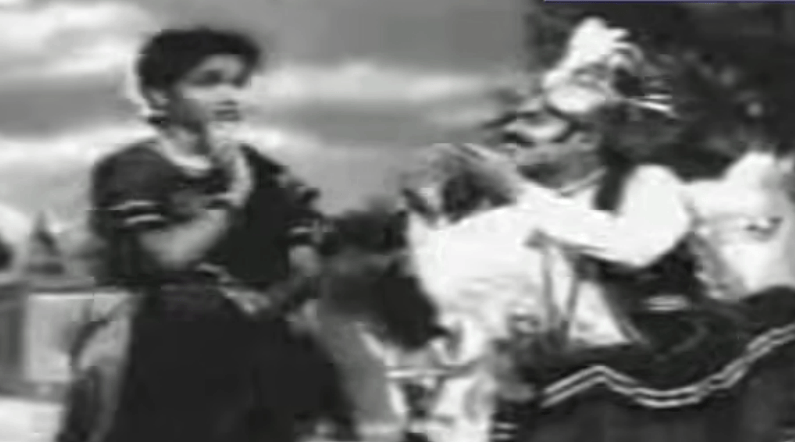
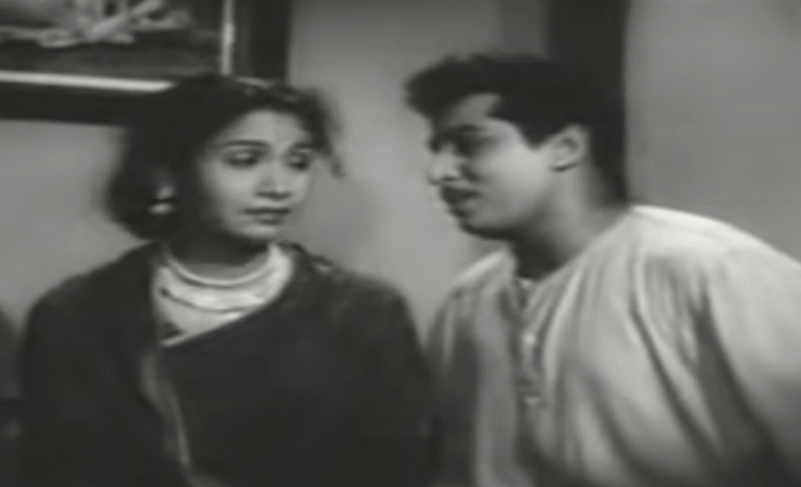
Kavi Sanjeev has penned the beautiful lyrics, while Vasant Kumar Mohite has composed the music. The film has a number of enjoyable songs, including the Sawal-Jawab sequence followed by Sawal Mazha Aika.
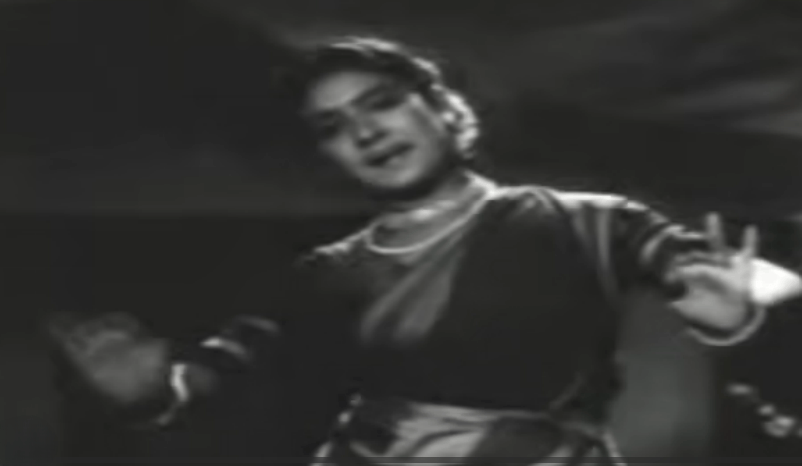
However, the more memorable numbers are the Asha Bhosle solos: Soniyachya Taati Ujalya Jyoti, Asa Kasa Khatyal Tujha Kanha, Chaal Majhya Paayat, Attarachya Phaya Tumhi Mala Aana Raaya, Khulvite Mendi Mazha Rang Gora Paan and Padala Padar Khandyawar. All these songs are picturised on Sulochana.
My Thoughts
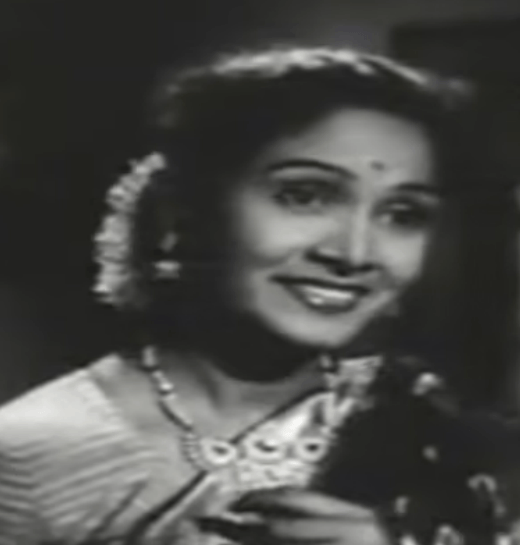
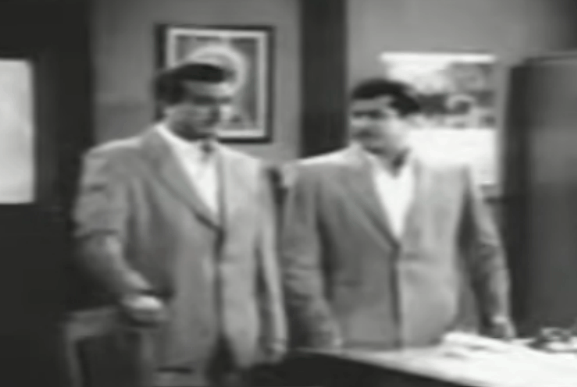
The film has a straightforward story that relies largely on its three leading actors to deliver. Sulochana is undoubtedly the show-stealer. She plays a role quite different from the innocent and gentle characters she had become famous for. This may well have been one of the reasons for the film’s failure, as audiences found it difficult to accept her in the role of a lavani dancer involved in an affair with a married man. She is particularly effective in the emotional scenes in the second half. However, her discomfort during the dance sequences is evident. The choreography also tends to be repetitive, which does little justice to the well-composed songs.
Chandrakant convincingly portrays both the husband and the lover, while Suryakant is adequate in his role.
Perhaps the audience was expecting an emotional brother-sister story and found it difficult to come to terms with the story that actually unfolded. The film’s ending, which involves a rather drastic measure, is not entirely convincing. It almost seems as though the director knew how he wanted to end the film but was unsure how to navigate the story towards that conclusion.
Whatever its fate at the box office, the film comes into focus every Diwali, thanks to the evergreen song Soniyachya taati ujalya jyoti.

