This week, on 21 October, we observe the death anniversary of Yash Chopra, one of the most influential filmmakers in the history of Hindi cinema.
Yash Chopra began his career as a director with Dhool Ka Phool (1959), produced by his elder brother, B. R. Chopra. He went on to direct films such as Waqt (1965), Aadmi Aur Insaan (1969) and Ittefaq (1969), establishing himself as a filmmaker with a distinctive style. In 1973, he produced Daag: A Poem of Love, the first film under his own banner, Yash Raj Films. The rest, as they say, is history!
He continued to work with some of the biggest stars in the industry, delivering films that went on to achieve iconic status. Although widely known as the King of Romance, Yash Chopra also explored other subjects through films such as Deewaar (1975), Trishul (1978), Kaala Patthar (1979) and Mashaal (1984). His final directorial venture, Jab Tak Hai Jaan, was released in 2012, shortly after his death.
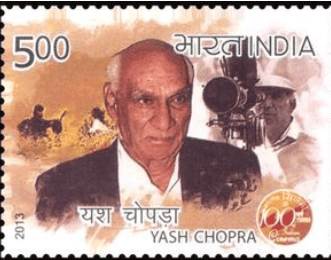
I decided to write about one of his films, but selecting just one was obviously a challenge. Then I remembered that Yash Chopra had often spoken of Lamhe (1991) as one of his finest works and was particularly proud of the film’s legacy.
Lamhe dealt with a rather unconventional and sensitive subject: a man falls in love with a woman who eventually marries someone else. Years later, he finds himself falling in love with her daughter. The audience was perhaps not ready to accept this unusual premise, and the film failed at the box office despite its many merits. These included its stellar cast, memorable performances and, of course, its outstanding music. It can certainly be said that the film has aged like fine wine. With the passage of time, its appeal has only grown stronger, and what may have seemed unconventional when it was first released now feels more meaningful.

The Plot
The title song begins and the viewer is introduced to the desert landscape of Rajasthan. We are introduced to Viren, short for Virendra Kumar Singh (Anil Kapoor, without his trademark moustache). Around 18–19 years old, Viren is visiting his ancestral home in Marwar, Rajasthan, for the first time. His father had migrated to England before Viren was born.
Accompanying him is Durga Devi (Waheeda Rehman), whom he affectionately calls Dai Jaa. She has looked after Viren since childhood and continued to care for him after the death of his parents. Viren regards her as a mother figure and a constant source of support.
Having grown up abroad, Viren finds himself uncomfortable with the harsh desert climate and the inconveniences of life in Rajasthan. However, Dai Jaa gently helps him understand the significance of local customs, traditions, and ways of life, encouraging him to respect his ancestral roots. Viren, meanwhile, has little intention of settling down in Rajasthan. His plan is simply to attend to a few property-related matters and return to England at the earliest opportunity.
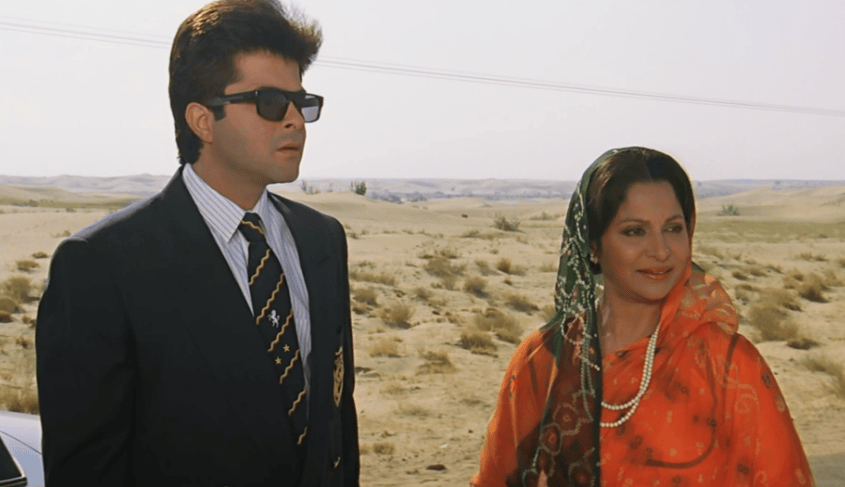
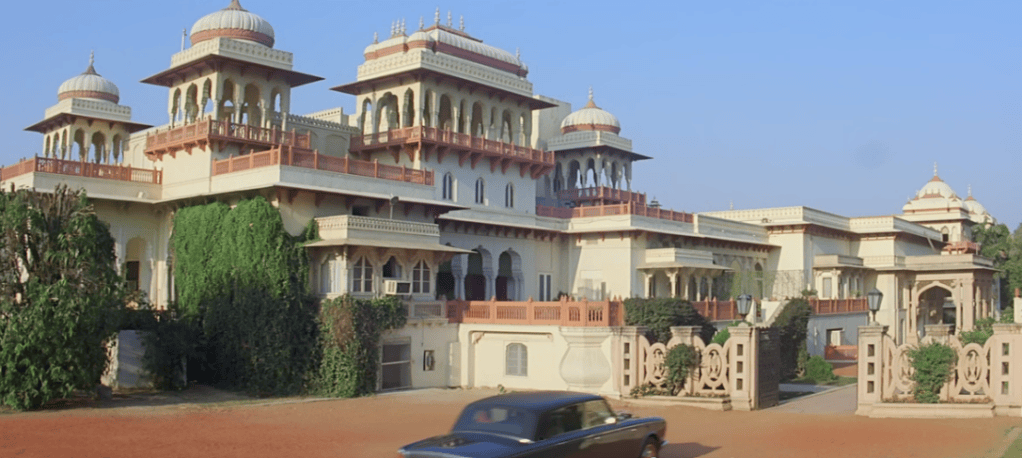
Viren arrives at his grand haveli, where he soon receives his first visitor, Kothiwale Thakur (Manohar Singh), a neighbour and a close family friend. Thakur shares a long-standing bond with Viren’s family and was the only person who stood by Viren’s father during his difficult times. Genuinely delighted by Viren’s arrival, he welcomes the young man with warmth and affection.
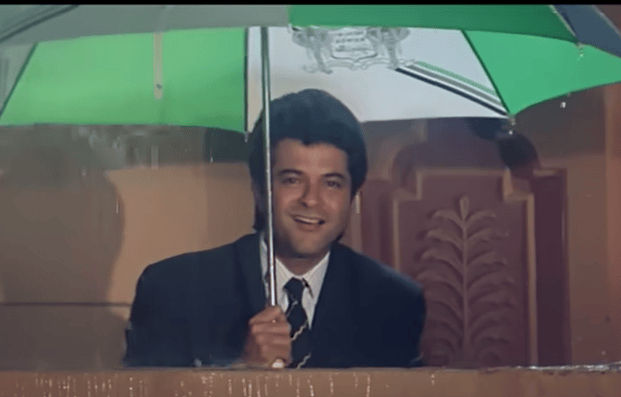
As Viren settles into his room, he hears a group of women singing nearby. Drawn by their voices, he steps out during a thunderstorm and discovers a young girl dancing with her friends in the rain. This leads to the vibrant rain song Megha re megha. Viren is instantly captivated by the young girl’s beauty and grace and finds himself wondering who she is.
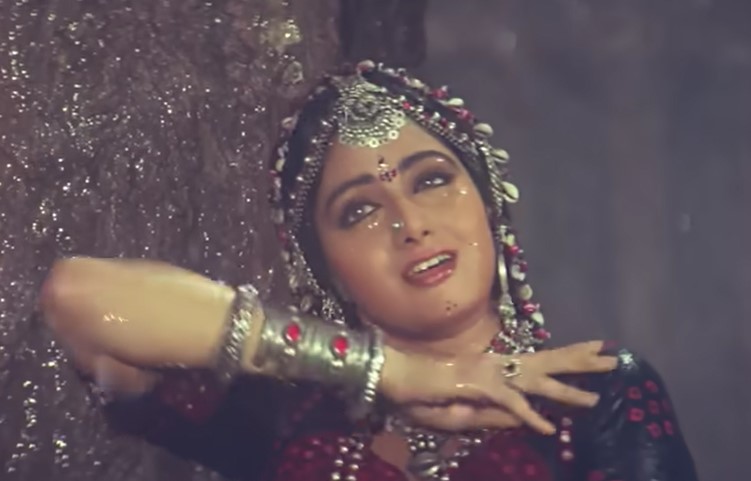
The next day, Viren wanders through the desert, his thoughts returning to the mysterious girl he had seen dancing in the rain. He thinks he spots her and follows her as she makes her way into a local market. Later that night, at the neighboring Thakur’s kothi, Viren is pleasantly surprised to see the same girl arrive and mingle with the guests. She is introduced to him as Pallavi (Sridevi), Thakur’s daughter. Although deeply rooted in tradition, Pallavi is friendly, warm, and at ease in Viren’s company, interacting with him as though they have known each other for years.
Pallavi is older than Viren, but the age difference does not bother him. He is simply overjoyed to have found the girl who has captured his imagination and is delighted to discover that she is someone he can get to know better.
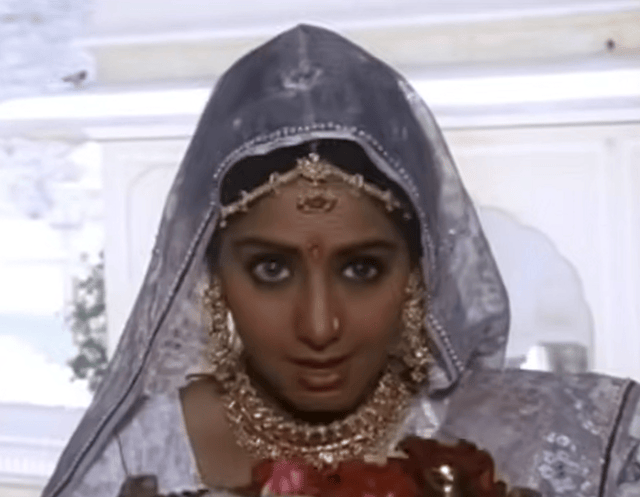
The next morning brings another musical interlude. Pallavi sings the devotional number Mohe chhedo na Nand ke lala. Once again, Viren is drawn to her, unable to take his eyes off her. There is an endearing innocence about him, as he finds himself increasingly captivated by Pallavi.
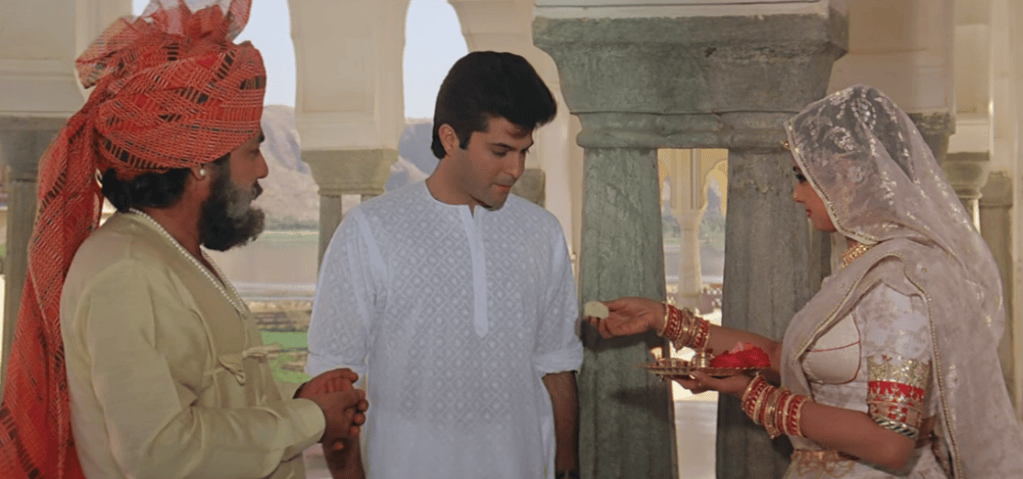
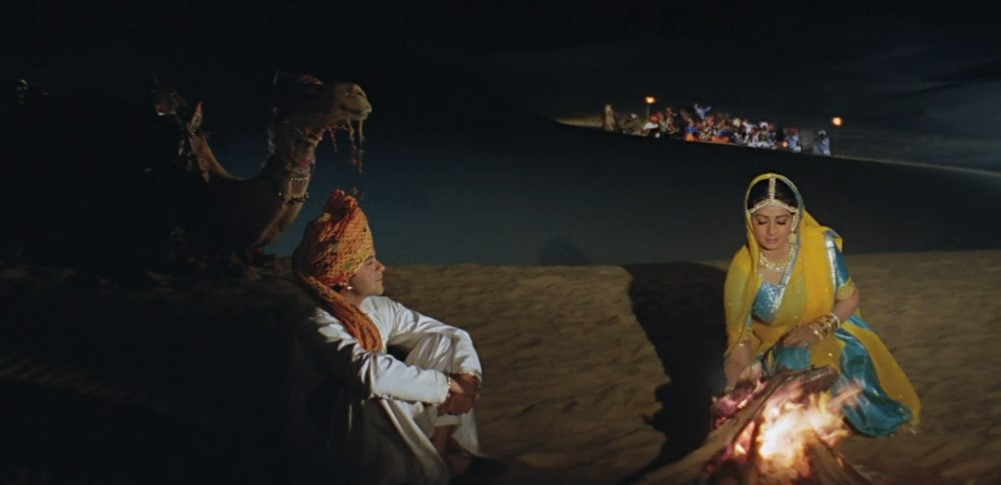
Pallavi asks Viren to be ready the following day, promising to show him around Rajasthan. He eagerly looks forward to spending time with her, although the excursion comes with a few conditions! He must dress like a local in traditional Rajasthani attire and travel by camel rather than enjoying the comforts of an air conditioned car. Somewhat awkwardly at first, Viren gradually adapts to these unfamiliar ways and ends up having a delightful day exploring the countryside in Pallavi’s company.
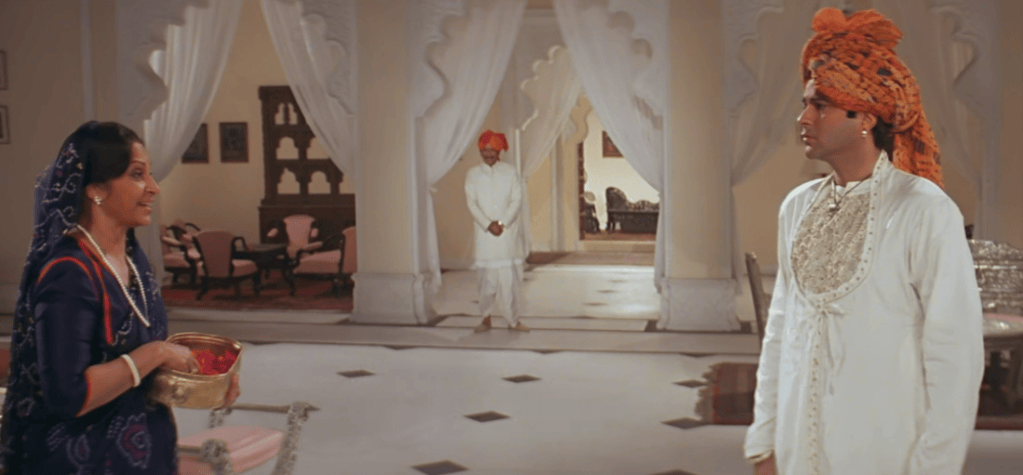
As the sun sets and dusk gives way to night, a woman (Ila Arun) sings a folk song. This leads into the ever popular Morni Baagaa Ma Bole. Against this picturesque backdrop, Viren becomes increasingly enchanted by Pallavi. Her beauty, her singing, and her graceful dancing draw him further into her world. What begins as fascination gradually takes on the hues of a deeper emotional attachment.
However, a dramatic turn of events is just around the corner. Pallavi’s father, Thakur, is embroiled in a property dispute with his step-relatives. He receives the devastating news that he has lost the case and, with it, virtually everything he owns. He will even have to vacate his beloved kothi. Pallavi, blissfully unaware of the crisis, has no idea that her world is about to change forever.
Unable to bear the shock, Thakur collapses and calls for help. Before passing away, he confides in Viren, entrusting Pallavi’s future to his care and declaring that she is now Viren’s responsibility. He then breathes his last.
At the prayer meeting, an emotionally charged scene unfolds. As Viren walks towards Pallavi, she suddenly rushes into the arms of another man, leaving him utterly stunned. The man is Siddharth Bhatnagar (Deepak Malhotra), an Air Force officer and the person Pallavi loves. Siddharth is an orphan, and Pallavi has kept their relationship a secret from her father.
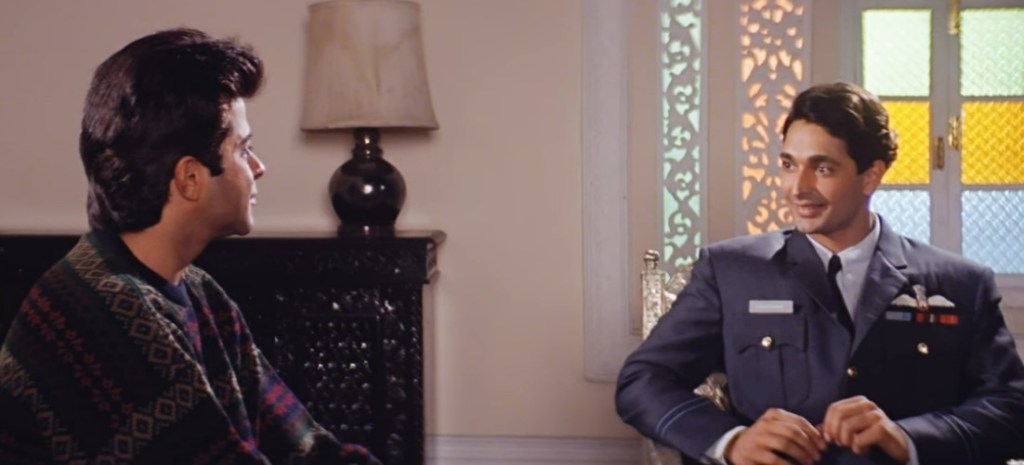
A dejected Viren is at a loss about what to do. He has never confessed his feelings to Pallavi and now finds himself in a situation where he must put her happiness above his own. When he meets Siddharth, Viren assures him that he will make all the necessary arrangements for their wedding, which is scheduled for the following week.
Meanwhile, Pallavi’s greedy relatives are keen to take possession of the kothi. Viren confronts them and asks them to stay away until the wedding is over. This is a particularly impactful scene, showcasing Viren’s remarkable transformation. The young man who had arrived in Rajasthan, uncomfortable with its climate and customs, now deals confidently with the relatives, even paying them off to ensure that they do not interfere with the wedding. His firm and mature handling of the situation reveals a newfound sense of responsibility and authority.
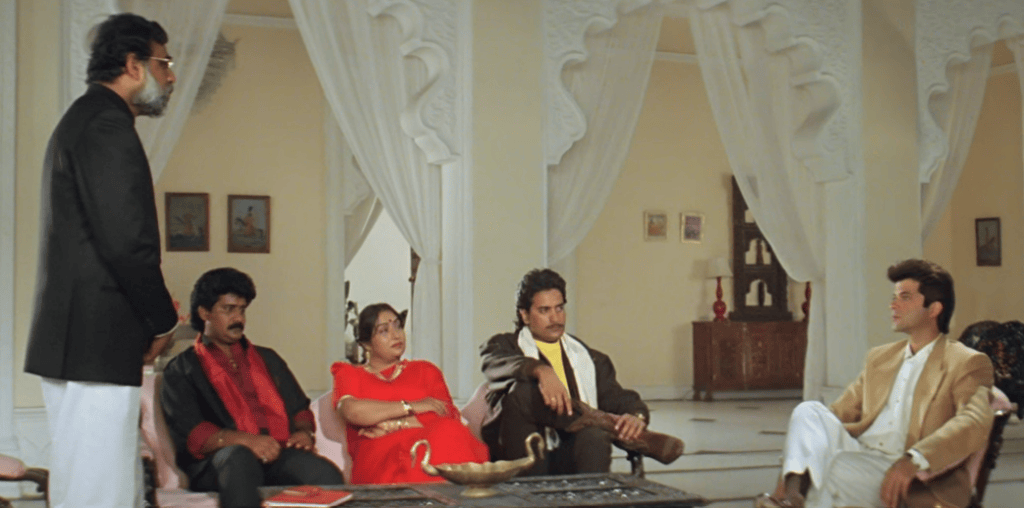
Dai Jaa, in particular, is impressed by the way Viren rises to the occasion. He is no longer the carefree youngster she brought to Rajasthan; he has grown into a mature individual who understands the importance of standing by those who depend on him.
Pallavi and Siddharth are eventually married, and Viren, having fulfilled his promise to Thakur, leaves for England immediately afterwards, carrying his unspoken love with him. At this point, we are also introduced to Prem Anand (Anupam Kher), a close friend of Viren. He goes with Viren to England to help him overcome the turmoil that he is going through.
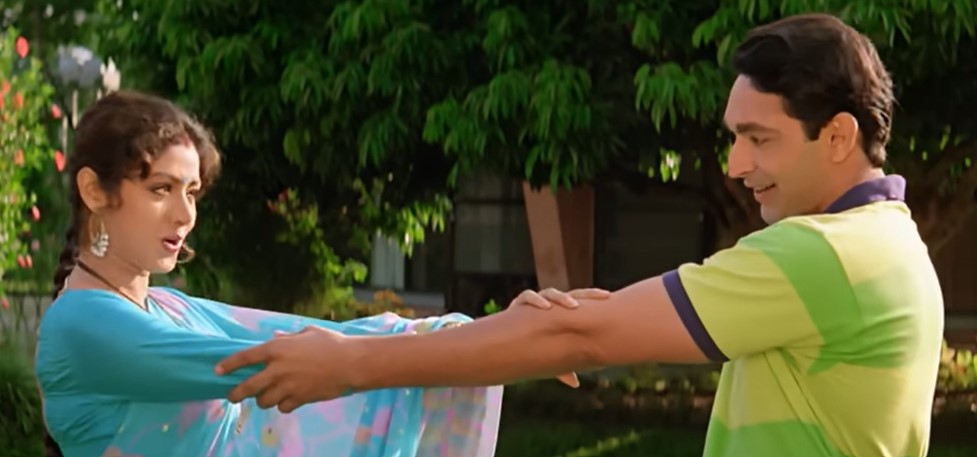
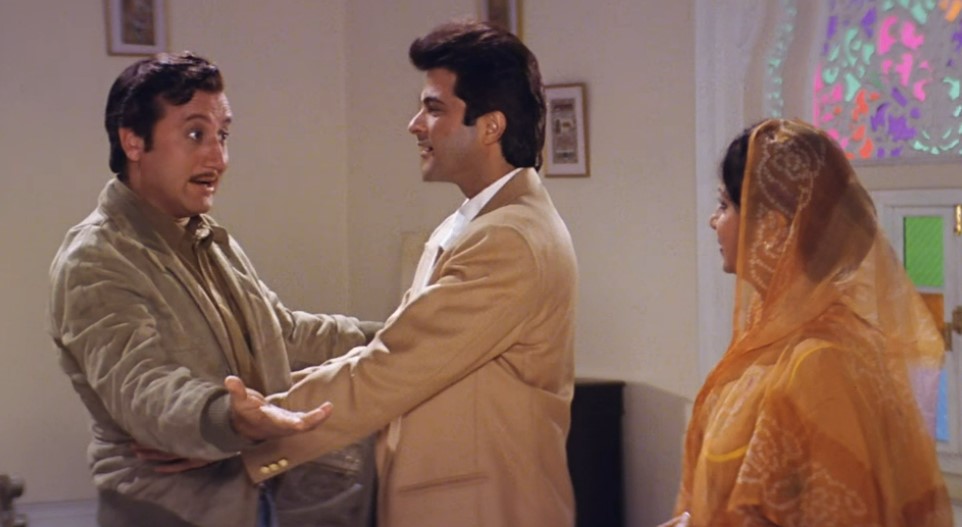
Pallavi and Siddharth begin their married life on a romantic note with the song Yaad Nahi Bhool Gaya. Just when everything seems to be falling into place, tragedy strikes. Siddharth dies in a motor accident. Pallavi survives the accident but passes away after giving birth to a daughter.
The double tragedy leaves Viren devastated. Having already sacrificed his own love for Pallavi’s happiness, he now finds it difficult to come to terms with her untimely death. Unable to cope with the emotional turmoil, he returns to London, leaving Dai Jaa to look after Pallavi’s infant daughter.
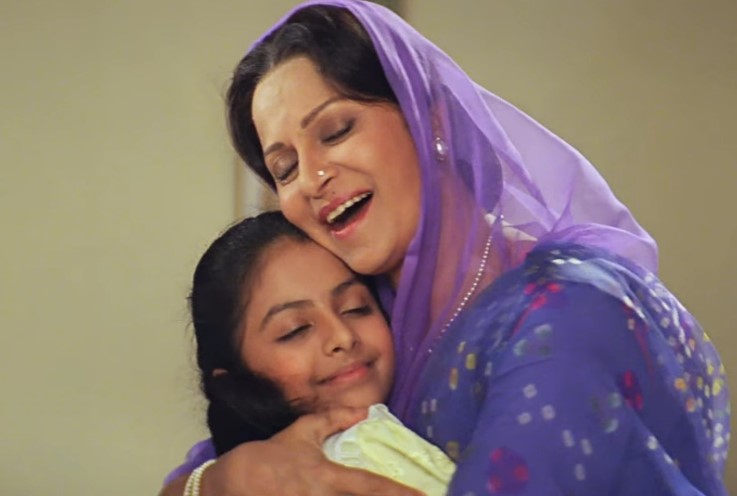
Dai Jaa names the little girl Pooja (Richa Pallod) and brings her up with the same love and affection with which she had cared for Viren. She sings her a lullaby, Gudiya Rani Bitiya Rani.
Viren visits India once a year to perform the shraddha ceremony in memory of Pallavi. Interestingly, the day also happens to be Pooja’s birthday. He brings her a gift but deliberately keeps his distance, leaving Dai Jaa to manage the situation. Pooja looks exactly like her mother Pallavi. Perhaps the sight of Pooja reminds him too painfully of Pallavi, the woman he loved but could never call his own. Pooja, meanwhile, longs for Viren’s affection and company. She knows him as Kunwarji and looks forward to his visits, unable to understand why someone who is so important to her remains so distant.
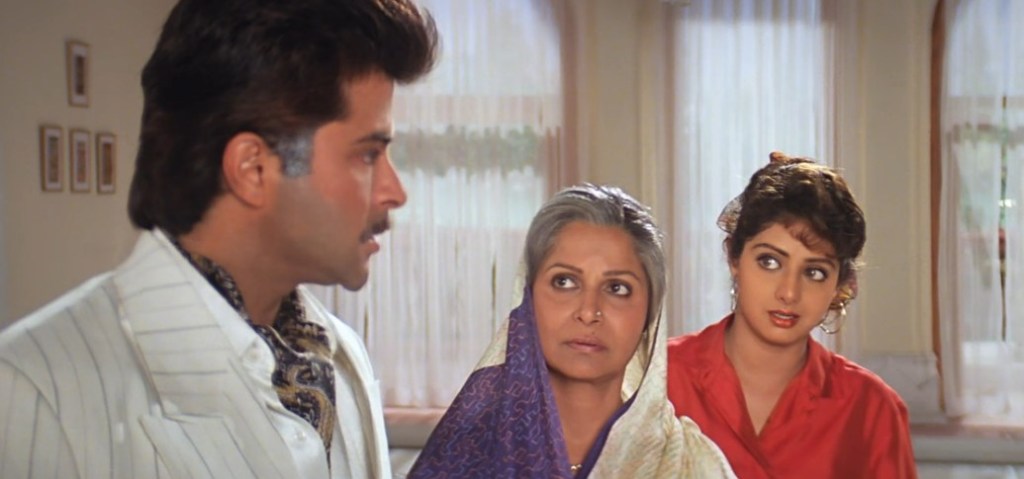

The long-awaited reunion finally takes place when Dai Jaa and Pooja come to England to stay with Viren. Pooja has always idolised Viren, but living under the same roof brings a new dimension to her feelings. At eighteen, she finds herself romantically attracted to him, while Viren (probably in his mid-forties) is living with the memories of Pallavi. The age difference doesn’t bother her. What Pooja experiences as love is, for Viren, still the affection he feels for the daughter of the woman he once loved.
Dai Jaa begins to suspect Pooja’s feelings for Viren after noticing a brief but telling moment. Concerned by what she observes, she later confides in Prem, who agrees with her.
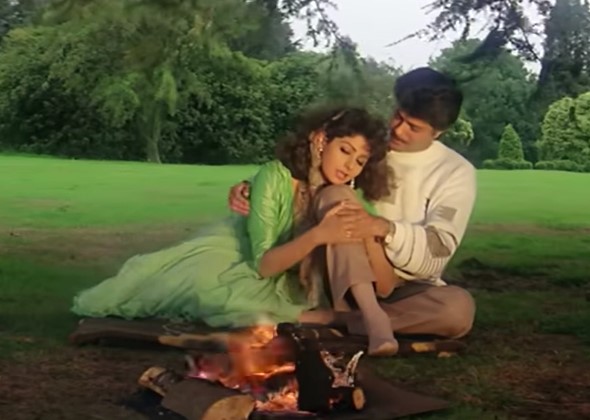
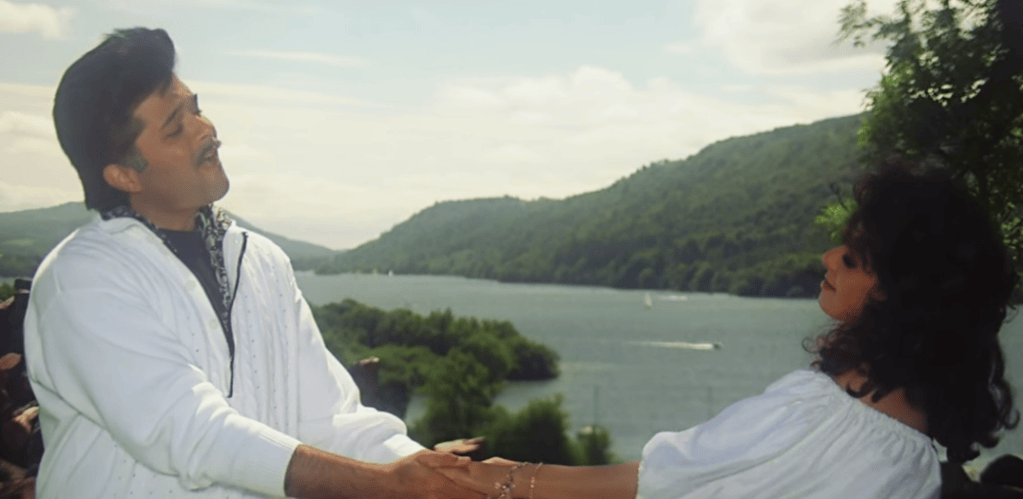
Meanwhile, Pooja’s romantic fantasies find expression in the beautiful song Kabhi Main Kahoon, picturised against the picturesque landscapes of Switzerland. The song captures the dreamy, idealistic world of a young woman in love, even as the audience becomes increasingly aware of the complicated emotions at the heart of the story.
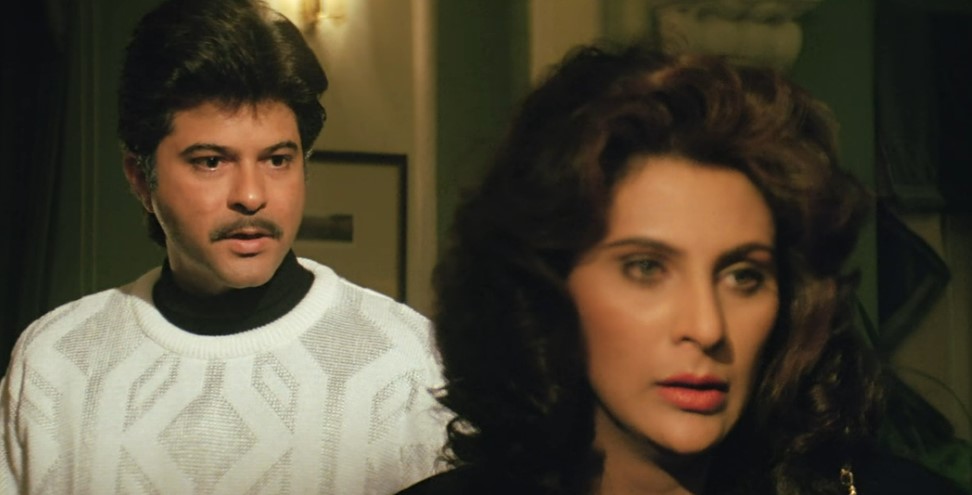
The one-sided romance between Pooja and Viren continues to unfold. We are also introduced to Anita (Dippy Sagoo), who is in love with Viren and hopes to marry him. However, Pooja’s growing influence over Viren and his own indecisiveness prevent Anita and Viren from taking their relationship forward. Their equation goes through repeated ups and downs, with the prospect of marriage appearing possible one moment and slipping away the next.
But what exactly is going on in Viren’s mind? Is he still unable to let go of Pallavi, the woman he loved but could never have? Can he separate the memories of Pallavi from the reality of Pooja, recognising that she is an individual in her own right, with feelings and desires of her own? And, ultimately, will he accept Pooja’s love?
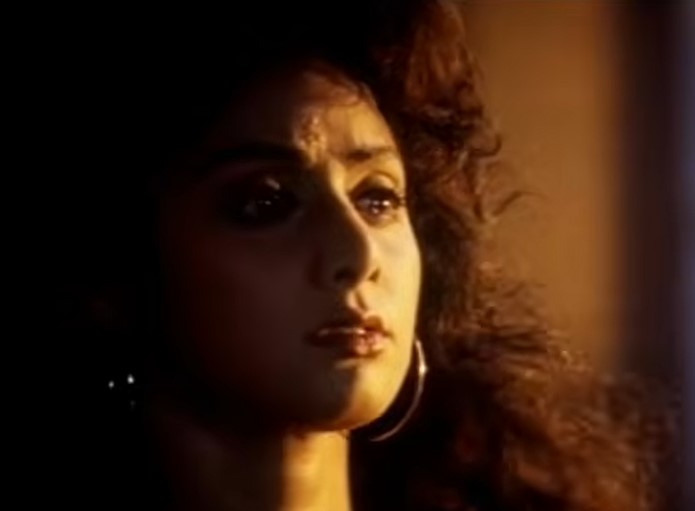
These questions lie at the heart of Lamhe. However, the film takes its time getting to the answers, stretching the narrative before finally arriving at its much-anticipated climax.
The Music
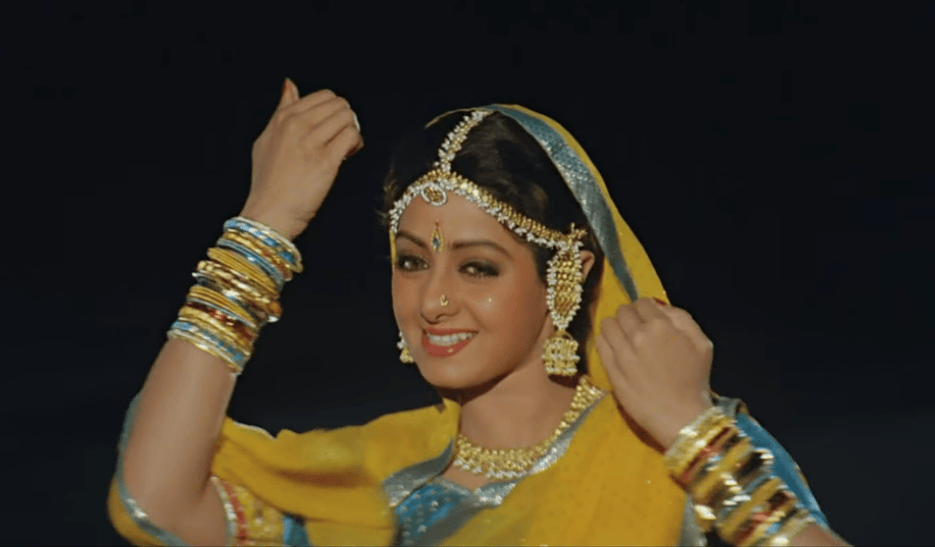
Yash Chopra’s films are renowned for their memorable music, and Lamhe is no exception. The dependable composer duo Shiv-Hari reunites with lyricist Anand Bakshi after Chandni (1989) to deliver a bouquet of compositions that remain memorable even today.
The title song, Yeh Lamhe Yeh Pal Hum Barson Yaad Karenge, appears in patches throughout the film, particularly during the melancholic sequences featuring Viren. Sung by Hariharan, this soft, soulful number beautifully captures the lingering pain of unfulfilled love.
As expected, Lata Mangeshkar (LM) is the principal female voice of the soundtrack. She lends her voice to Pallavi, Pooja and Dai Jaa, bringing distinct shades of emotion to each character. However, one can sense a certain strain in her voice, while the compositions themselves are far from easy to sing.
Among the romantic duets, Yaad Nahin Bhool Gaya features LM alongside Suresh Wadkar, who provides playback for Deepak Malhotra. Another popular number is the dream sequence Kabhi Main Kahoon, sung by LM and Hariharan. Both compositions evoke the flavour of Raag Pahadi.
LM also joins Ila Arun for two contrasting duets. The first, Megha Re Megha, is a rain song with traces of Raag Malhar. The second, Morni Baagaa Ma Bole, is a chartbuster that blends Rajasthani folk lyrics with Hindi. Its use of Mishra Maand complements the film’s Rajasthani setting and lends the song an unmistakable regional flavour.
The devotional solo Mohe Chhedo Na Nand Ke Lala, based on Raag Bhairavi, offers a different mood altogether. This is followed by the short, tender lullaby Gudiya Rani, picturised on Waheeda Rehman. Another enchanting composition is Meri Bindiya Teri Nindiya, which draws on Mishra Khamaj. It is the final song in the film. Times have changed, and it is difficult to imagine Hindi cinema incorporating such songs and situations with the same ease today.
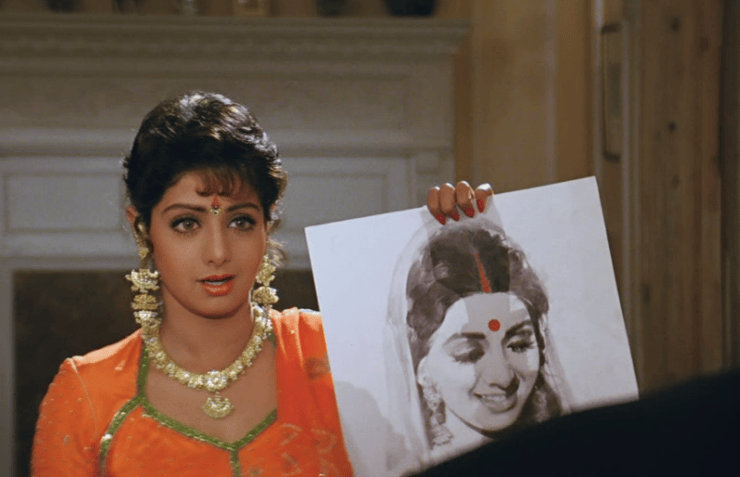
The soundtrack also features a medley of old Hindi film songs, sung by Pamela Chopra and Sudesh Bhosle. A fun-filled number, it does, however, feel a little too long, with several key characters joining in. Even Waheeda Rehman gets to dance to her evergreen Kaanton Se Kheench Ke Yeh Aanchal, adding a nostalgic touch to the sequence.
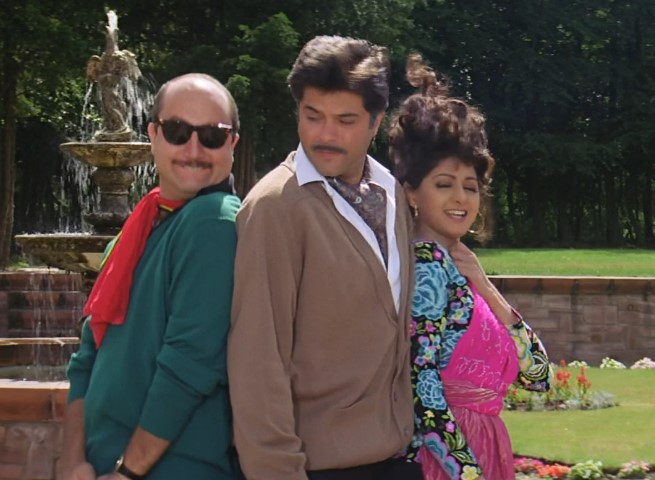
Yash Raj Films such as Chandni, Darr and Dil To Pagal Hai are also remembered for their evocative instrumental compositions. Lamhe has its own such moment in Moments of Passion / Rage, which accompanies the young Pooja as she vents her frustration after being slapped by Viren. The instrumental score adds another dimension to the film’s emotional landscape.
Finally, the songs deserve credit for their choreography by Saroj Khan, whose work helps bring out the mood and character of each composition. Together, the music, lyrics, singing and choreography make Lamhe a soundtrack worth revisiting.
My Thoughts
Lamhe is a thoughtfully conceived and beautifully made film. It is a visual delight, with its attractive cast and filming slocations adding to its appeal. The scenic beauty of Rajasthan in the first half of the film is beautifully captured by veteran cinematographer Manmohan Singh, whose visuals bring the region’s distinctive landscape and grandeur to life. The same applies for the UK scenes in the second half. Special credit must go to Honey Irani for the story and screenplay, and Dr. Rahi Masoom Raza for the dialogues. Their work earned them the Filmfare Awards for Best Story and Best Dialogue, respectively.
The film also won Filmfare Awards for Best Film (Yash Chopra), Best Actress (Sridevi) and Best Comedian (Anupam Kher). Much has been said and written about Sridevi’s performance in Lamhe, and deservedly so. She brings both Pallavi and Pooja to life with remarkable finesse, giving each character a distinct personality, mannerism, and emotional identity. It is a performance that showcases her extraordinary versatility as an actor. But I would also like to acknowledge Anil Kapoor’s satisfying portrayal of Viren. His transformation from a shy young man into someone who must confront complicated emotions is convincing. Even as he matures with age, he struggles to face the truth, and the actor captures this inner dilemma effectively.
Waheeda Rehman is excellent, bringing warmth and grace to her role. Anupam Kher, in his talkative and childish avatar can be irritating at times, but he impresses in the more serious scenes. His confrontation scenes with Anil Kapoor keep reminding you that he is such a good actor.
One drawback is perhaps the film’s length of more than 3 hours. The second half could have been tighter. It must have been disappointing for Yash Chopra that Lamhe did not perform particularly well at the Indian box office upon its release. But he had faith in his creation. Over time, it has acquired cult status. Its performances, memorable music and nostalgic moments continue to resonate with audiences, ensuring that the film remains a much-loved part of Yash Chopra’s legacy.

