With the approach of 2nd October and it being Mahatma Gandhi’s birth anniversary, comes the inevitable reminder of the many films and other content portraying his life, ideas and legacy. Among them, Richard Attenborough’s Oscar winning biopic Gandhi (1982) is perhaps the best known. Ben Kingsley’s portrayal of the title character was widely appreciated. I recall the film used to be telecast on Doordarshan, probably every year(?).
But Attenborough’s Gandhi is far from the only film to have explored the Mahatma’s life. One such creation is Shyam Benegal’s The Making of the Mahatma (1996) or its Hindi version Gandhi Se Mahatma Tak, which takes a particularly interesting approach: instead of beginning with the internationally recognised Mahatma Gandhi, it looks back at the young Mohandas Karamchand Gandhi (MKG) and the experiences that shaped him during his years in South Africa. The film ends at the point when Gandhiji ends his stay in South Africa after 21 years.
This movie was jointly produced by the National Film Development Corporation (NFDC) of India and the South African Broadcasting Corporation. It is based on the book Apprenticeship of a Mahatma by Fatima Meer. Rajit Kapur played MKG and won the National Film Award for Best Actor.
The Plot
It is 1892. A very young MKG (Rajit Kapur) lives in Rajkot with his wife Kasturba (Pallavi Joshi) and 2 sons Hiralal and Manilal. MKG is a qualified barrister at law from London. He has received a letter from South Africa. Seth Dada Abdullah, an Indian businessman is fighting a court case against his brother. MKG has been invited to support the handling of the case in addition to the other attorneys. Kasturba is not very keen when she hears this. Its been hardly a year since he came back from London. He tries to convince her. The pay will be good and he needs to spend only a few months abroad. The decision is made and he arrives in Durban in 1893.
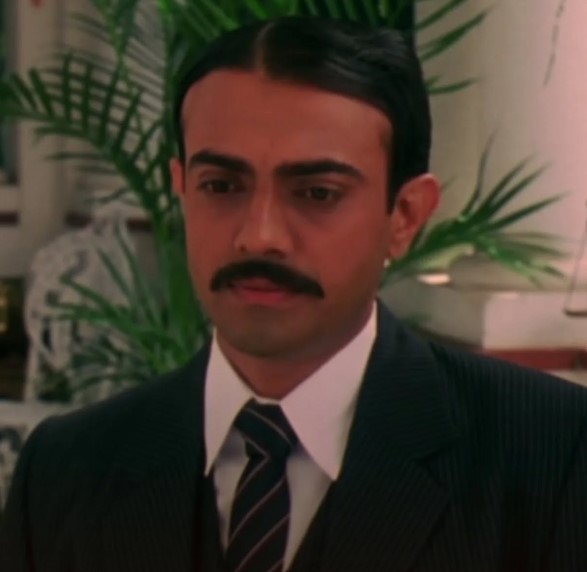
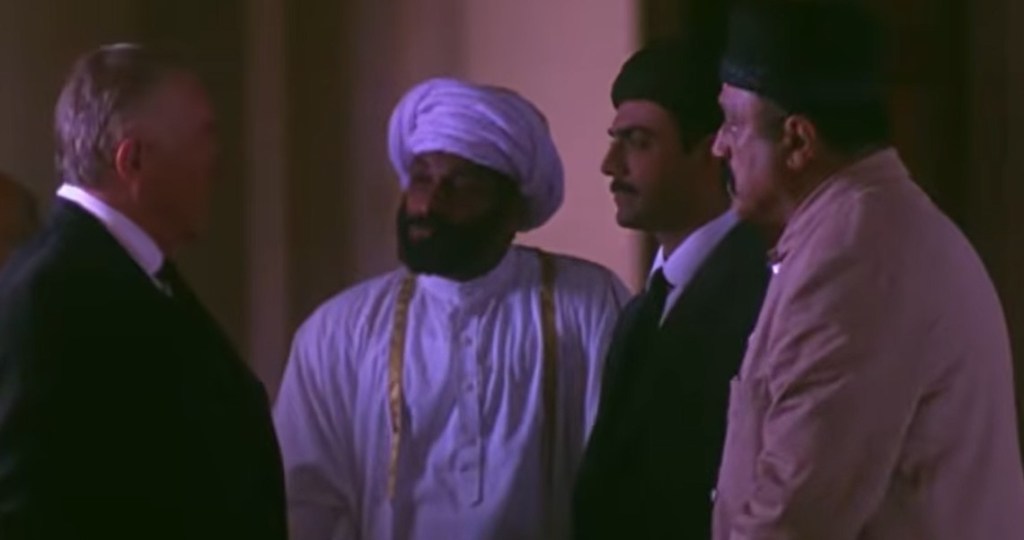
MKG is about to have life impacting experiences right from time he arrives in South Africa. It is interesting to note that the young MKG would dress up in smart European clothes and consider himself at par with the other barristers, most of whom are British. Mr Baker is Abdullah’s advocate. He meets MKG and they go to the local court together. The judge asks MKG to remove his turban while he is inside the court room. (As per the rule only Muslims are permitted to wear a turban as part of their faith). MKG explains that removing the turban in front of the judge would mean showing him disrespect but the judge doesn’t care. MKG prefers to leave the court than compromise on his principles.
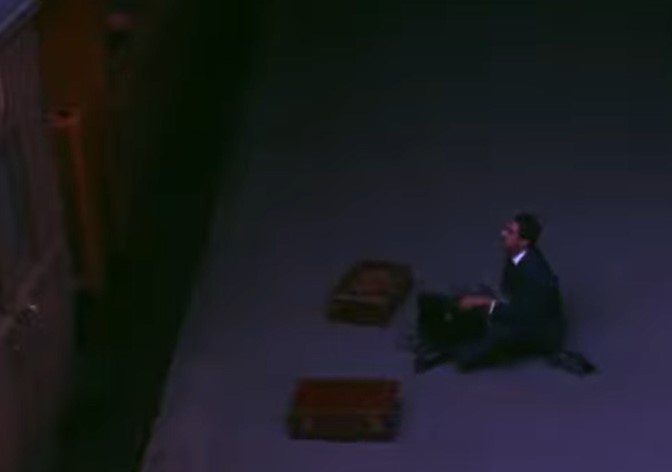
Later, he boards the train to Pretoria. MKG has a reservation in the first class compartment. A British man boards the train at Pietermaritzburg. He is furious to see an Indian (termed as coolie) in the compartment. MKG is ordered to shift to the luggage van that is fit for coolies. MKG refuses to budge from his seat and is forcefully thrown out from the compartment for the simple reason that he is not an European. MKG sits on the platform and ponders on the discrimination faced by him only because of his skin colour. He faces a similar situation when he reaches Charleston the next day. He has to travel in a horse coach in order to reach Pretoria. But he is not allowed to sit inside the coach because he is an Indian/ coolie. He can only sit with the coach driver. He opposes this rule but is insulted and gets beaten later.
On reaching Pretoria, he meets Mr. Baker. MKG tells him that he is unable to get a room in a hotel. Mr Baker explains it is on account of colour prejudice prevalent there. They have a talk about religion. MKG says he doesn’t know much about his own religion but would like to know about other religions. Baker invites him to attend a church sermon.
In another incident, MKG is thrown off from a pavement because the house next to it belongs to a British man (President Kruger). Coloured people are not allowed even to walk on the pavement of a European’s residence. MKG notes that being a barrister and a man of high status have no bearing on his place in society. He meets Tayyab Seth, Abdullah’s cousin. Over the next few months, he manages to attempt a reconciliation between the cousins and the case comes to a closure. It is time for MKG to leave for India. But the Indian people in Pretoria have other plans thanks to the British.
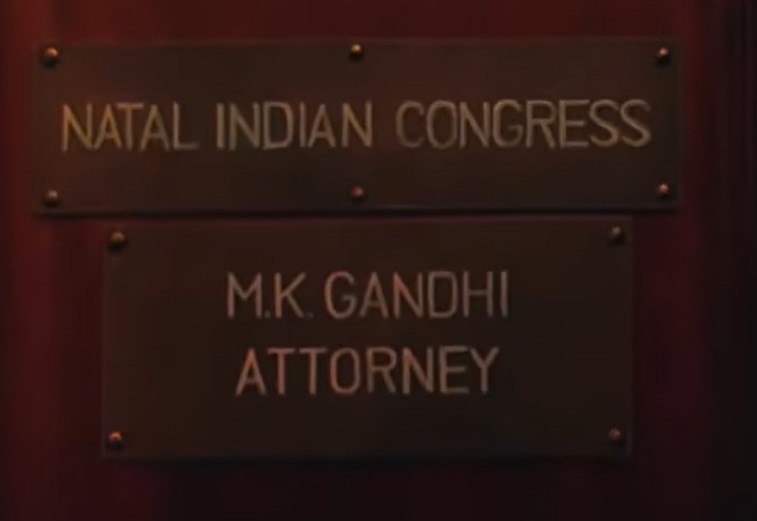
A new Indian Franchise Bill has been introduced due to which Indians would lose their right to vote. Further, this would lead to losing the right to trade, own property and finally the right to remain in Africa as British citizens. The Indians request MKG to stay and take up the case. He said there are other Indian attorneys who can do this. But apparently, the other attorneys are Christians and the other Indian communities do not trust them. MKG questions this reasoning but takes up the case.
The petition against the British is filed on behalf of the Indians, signatures are collected. MKG applies to practice as barrister in Natal. This application is approved in spite of opposition by the Natal Law Society. MKG realizes the need to bring the Indians together and form a regular association. This gives birth to the Natal Indian Congress on 22 August 1894. MKG is made the honorary secretary. As an attorney, MKG is introduced to more problems faced by the Indians. Indentured labour was a system of bonded, contract-based labour that European colonial powers used to replace enslaved labour after the abolition of slavery in the 19th century. These labour used to be mistreated and beaten by their European masters. MKG represents many such Indians in court.
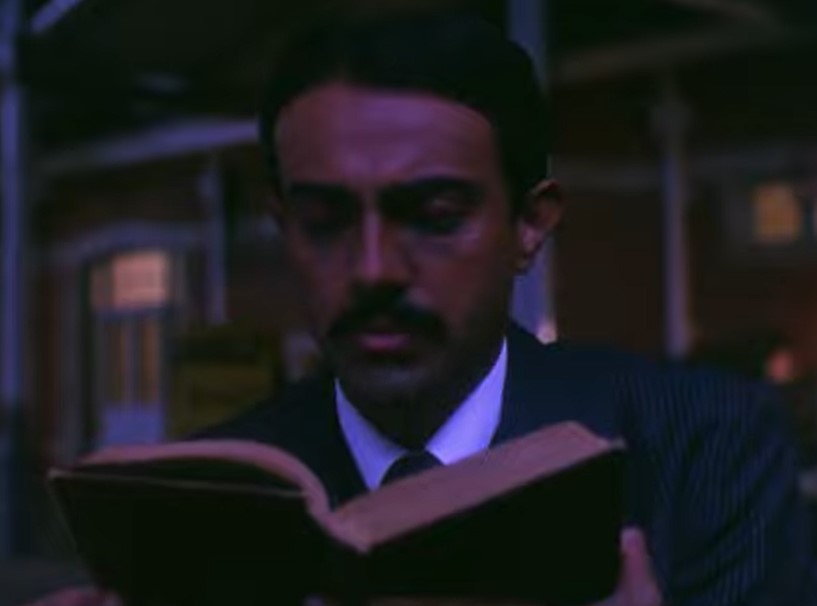
Then there is the issue of the poll tax of 25 pounds per person in South Africa levied on adult Black and Indian residents, used as a tool for forced labor coercion and financial subjugation. MKG writes a pamphlet describing the inhumane nature of the conditions and opposing the tax implementation. The British are not amused and this results in more restrictive measures to avoid the influx of Indians into South Africa. MKG is attacked by some British men. He refuses to register a case against them stating their act of violence was a result of their ignorance.
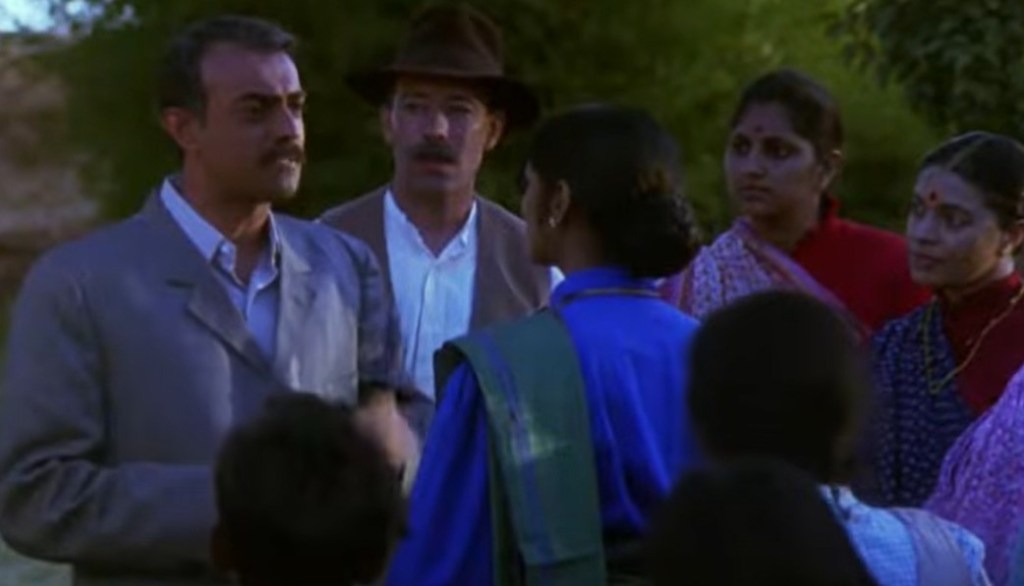
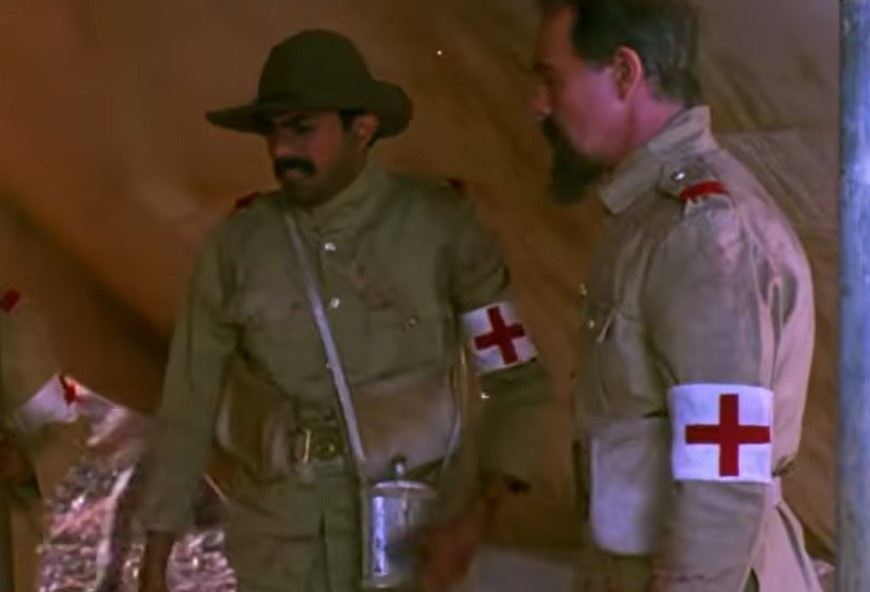
These incidents continue and the Indian community suffers. MKG goes to jail multiple times. During the Boer War, he suggests that as a British citizen, they should side with the British. (They do so by acting as stretcher bearers to carry the dead and wounded from the battlefield.) MKG is of the opinion that this will demonstrate that the Indians are on the side of the British and it will be easier to gain concessions. But that is not what happens. The British only care about their interests and the rich resources of South Africa.
MKG starts a newspaper Indian Opinion and uses his resources to keep it going. But a time comes when the losses start mounting. He gets inspired by the writings of John Ruskin and starts a farm in Phoenix where they could grow their own food and carry out other activities including publishing the newspaper. It was also here that his philosophy of “satyagraha” took birth which became a means of non-violent resistance to take on the colonial power.
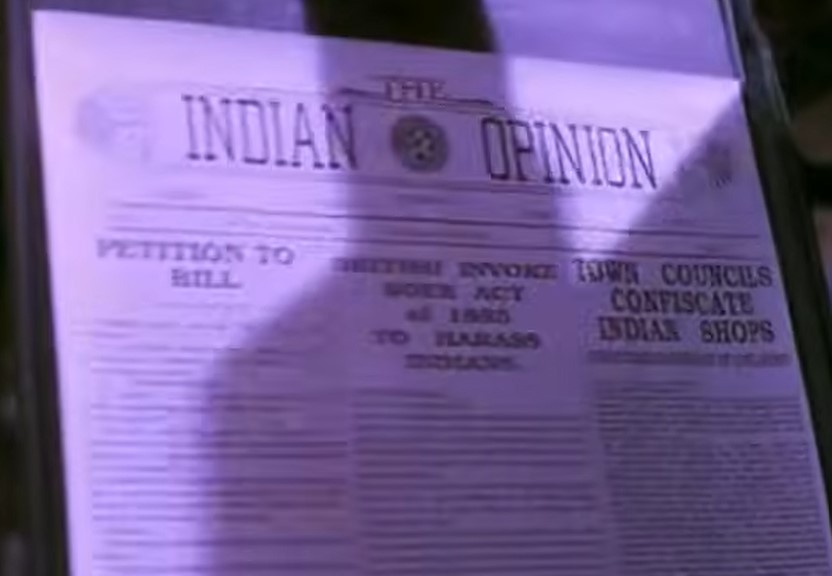
MKG continues with the struggle against the British who bring in more oppressive measures against the Indians. This culminates in to the historic “Great March” in 1913, where over 2,000 workers from Natal march across the border into the Transvaal region to protest against the discriminatory colonial immigration and tax laws introduced by the British.
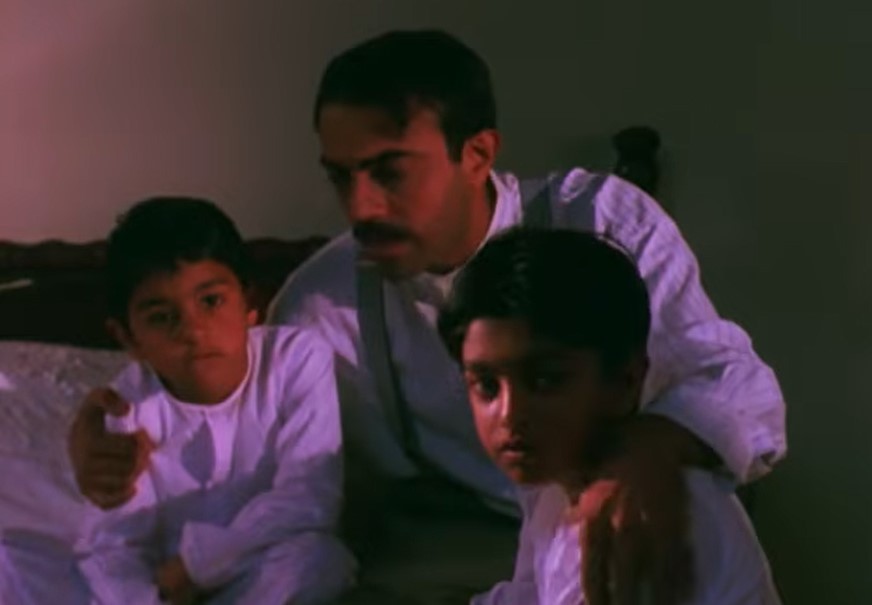
In the midst of his fight for the rights of the Indians, we also come to know about the details of his family life. MKG doesn’t like the local Indian schools and he cannot send his children to the European schools. So he decides to teach them himself. His views on untouchability are revealed in the incident involving the chamber pot and there is a heated argument with Kasturba on this topic.
The family receives costly gifts when they are returning to India but MKG convinces his sons that the gifts should be returned. Kasturba doesn’t agree, she is a practical woman. She is already concerned because MKG has exhausted most of their resources including her jewellery. She is thinking about her sons’ marriages and the expense involved. Surely, these gifts would come handy on those occasions. She voices her opinions to MKG very strongly.
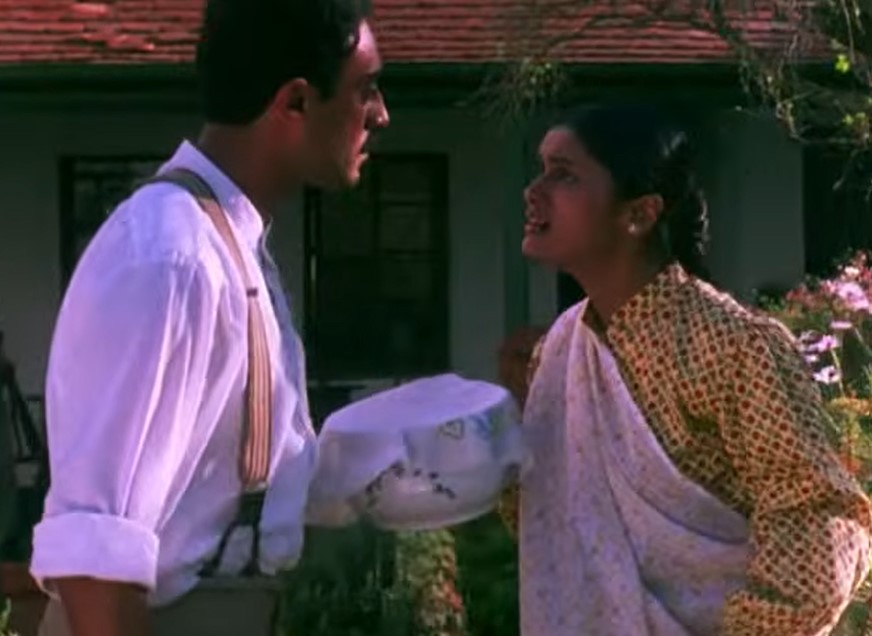
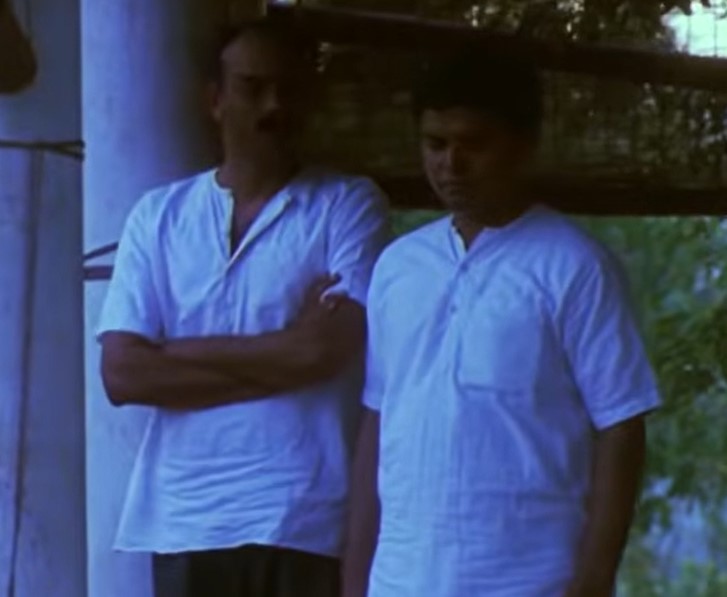
The film shows that his family is not always supportive of his views to give up everything and live austerely. An important scene brings out the strained relationship between MKG and his son Harilal. Harilal is shown to openly oppose his father’s ideology. One wonders if MKG thought of how much his family suffered as a result of his actions?
The Music
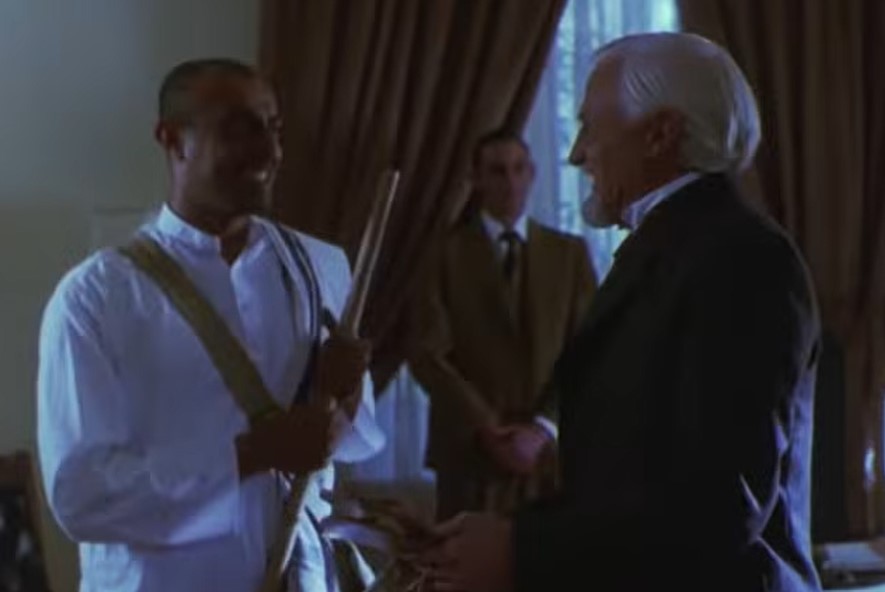
Vanraj Bhatia is credited as the music director. The film doesn’t have conventional music tracks. Vande Mataram set is a different tune is played during the final march scene. Interestingly, Usha Uthup sings the song.
My Thoughts
What makes The Making of the Mahatma particularly interesting is that it does not become preachy or spend its time celebrating the greatness of its central character. Instead, the film takes a relatively balanced approach, allowing us to see not only Gandhi’s strengths but also some of his flaws—his occasional rigidity in reasoning, and at times, his unquestioning trust in people and ideas when a more pragmatic approach might have served him better.
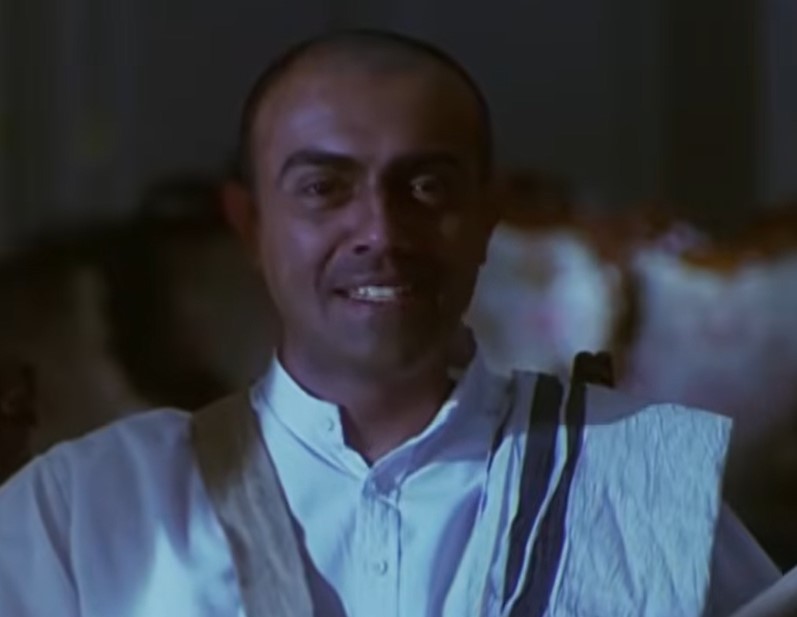
Rajit Kapur is excellent as M. K. Gandhi, convincingly portraying a man who is still finding his voice and shaping the principles that would eventually define him. Pallavi Joshi is equally effective as Kasturba Gandhi. Her character is not merely a passive presence in her husband’s life; she questions his actions and decisions from time to time, while also remaining one of his strongest sources of support.
The film was undoubtedly a challenging one to make, given the vast period it covers and the sheer number of historical events that had to be accommodated. Shyam Benegal makes a commendable effort to bring as many significant events as possible into the narrative. At times, however, these can appear abrupt or disconnected, particularly if the historical context is not known.
Nevertheless, The Making of the Mahatma works as both a biographical film and an engaging history lesson. The significant point is perhaps that it does not simply show us the Mahatma; it takes us back to a time when he was still M. K. Gandhi and the gradual transformation of the young lawyer to the status of the Mahatma.

